Lemon Law Virginia Complete Guide for Vehicle Owners 2026
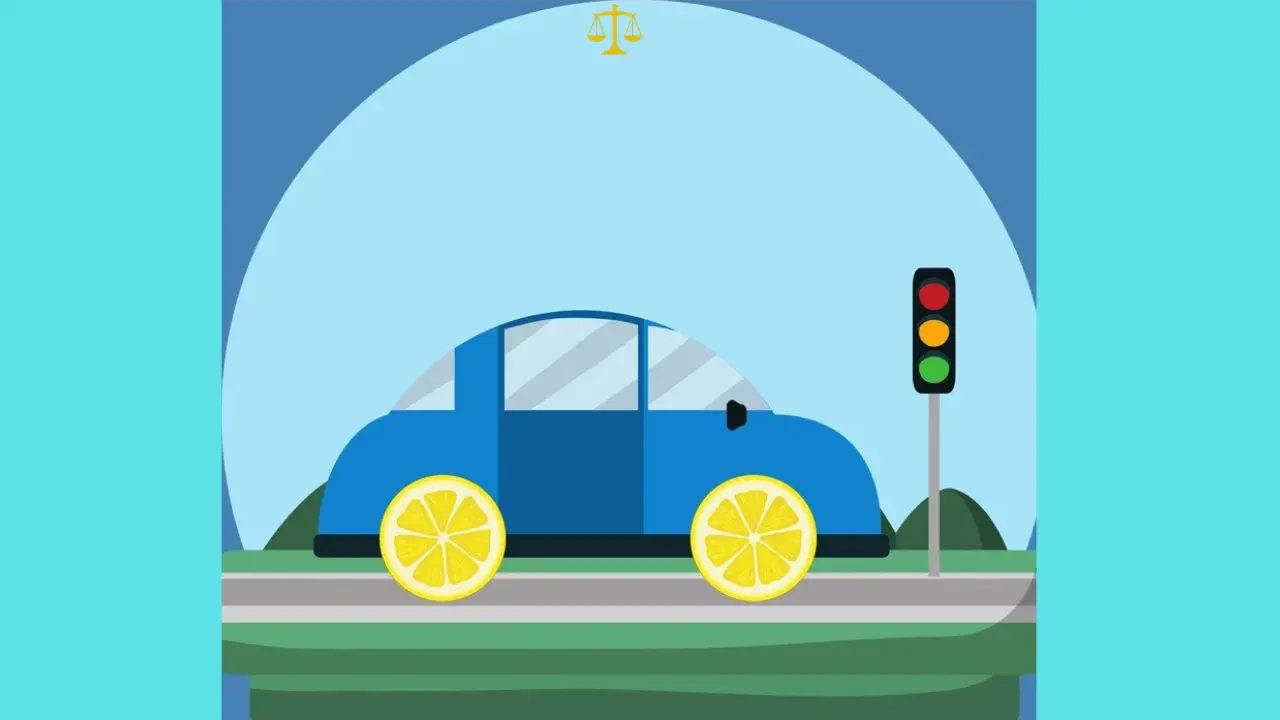
Buying a new vehicle should bring comfort, not repeated repair visits. lemon law virginia protects eligible buyers and lessees when a covered vehicle has a serious warranty problem that the manufacturer cannot fix after reasonable repair attempts. The law is formally called the Virginia Motor Vehicle Warranty Enforcement Act.
The Lemon Law Virginia may provide a replacement vehicle or a refund when all legal conditions are met. Drivers must act quickly, keep accurate records, and notify the manufacturer properly. This guide explains the main rules in simple language.
What Is the Lemon Law Virginia?
Lemon Law Virginia was created to help consumers who receive defective vehicles covered by a manufacturer’s warranty. A qualifying problem must significantly impair the vehicle’s use, market value, or safety. The defect does not always need to stop the vehicle from moving.
The law focuses on the manufacturer’s duty to honor its warranty. It does not guarantee relief for every small noise, minor fault, or repair dispute. The consumer must show that a covered defect remained unresolved after a reasonable repair opportunity.
How lemon law virginia Works
The legal rights period generally ends 18 months after the vehicle’s original delivery date. During this period, the consumer can report a nonconformity and pursue rights under the statute. The period may extend when the manufacturer received notice but failed to complete an effective repair before it ended.
The owner should keep every service invoice, repair order, email, letter, photograph, and video. These records can show when the problem began, how often it returned, and how long the vehicle stayed out of service.
Which Vehicles May Qualify?
The statute covers certain passenger cars, pickup or panel trucks, motorcycles, autocycles, mopeds, demonstrators, leased vehicles, and self-propelled motorized motor-home chassis when a warranty was issued. The vehicle must generally serve personal, family, or household purposes.
Used vehicles do not receive automatic protection in every case. However, the Virginia Attorney General states that the law may apply to some used vehicles. A transferred vehicle may qualify when an applicable warranty remains active and the owner meets the definition of a consumer.
| Main requirement | General Virginia rule |
|---|---|
| Rights period | Usually 18 months from original delivery |
| Covered problem | A warranty issue that significantly harms use, value, or safety |
| Same defect | Three or more repair attempts may create a presumption |
| Serious safety defect | One or more attempts may create a presumption |
| Days out of service | A total of 30 calendar days may create a presumption |
| Possible remedy | Comparable replacement or refund, subject to lawful deductions |
What Counts as Reasonable Repair Attempts?
Lemon Law Virginia creates a legal presumption in several situations. It may apply when the same defect receives three or more repair attempts and still exists. It may also apply when a serious safety defect receives at least one repair attempt and continues.
Another presumption may apply when the vehicle remains out of service for repairs for 30 cumulative calendar days. Events outside the manufacturer’s control can affect this calculation. A repair count can support a claim, but it does not guarantee that every case will succeed.
Written Notice to the Manufacturer
Written notice is a key part of a claim. The manufacturer must explain in the warranty or owner’s manual that written notification is required before a consumer may qualify for a refund or replacement. It must also provide the correct address for that notice.
The consumer should describe the problem, list earlier repair dates, state that the defect continues, and request correction. A trackable delivery method can help prove that the manufacturer received the letter.
Refund or Replacement Rights
Lemon Law Virginia, When a covered vehicle remains defective after reasonable attempts, the manufacturer must offer a comparable replacement acceptable to the consumer or accept the vehicle’s return and provide a refund. The consumer has an unconditional right to choose a refund instead of a replacement.
A refund may include the contract price, qualifying collateral charges, and incidental damages. The manufacturer may subtract a reasonable allowance for use before the first notice of the problem.
Possible Manufacturer Defenses
A manufacturer may argue that the problem does not significantly impair the vehicle’s use, market value, or safety. It may also claim that abuse, neglect, unauthorized alteration, or improper modification caused the defect.
Owners should follow the maintenance schedule and keep receipts. They should also avoid changes that may affect the disputed system. Accurate records can help separate a manufacturing defect from damage caused after purchase.
How to Start a Claim
A strong lemon law virginia claim starts with organized documents. The consumer should collect the purchase or lease agreement, warranty, owner’s manual, repair orders, invoices, written notices, towing receipts, rental records, and messages.
Every repair order should describe the reported problem correctly. The owner should record the date, mileage, days out of service, work performed, and whether the same defect returned.
Filing a Court Action and Deadlines
A consumer who suffers a loss from a violation may bring a civil action. A successful consumer may recover reasonable attorney fees, expert witness fees, and court costs.
In general, the action must begin within the Lemon Law Virginia rights period. A consumer who timely used the manufacturer’s informal process may receive more time.
Common Mistakes to Avoid
Some consumers rely only on phone calls and never send written notice. Others lose repair orders, accept vague service descriptions, or wait too long before taking action.
Consumers should avoid exaggerating the defect. Exact dates, warning lights, repair details, mileage, photographs, videos, and dealer statements usually provide clearer evidence than unsupported claims.
Frequently Asked Questions
Does lemon law virginia cover leased vehicles?
Yes. Qualifying leased vehicles are covered, and a replacement or refund can require the lease to end without a penalty to the consumer.
Does it cover used cars?
It may cover some used vehicles when the warranty, transfer, vehicle, and consumer meet the legal requirements. It does not cover every used-car problem.
How many repairs are required?
Three attempts for the same continuing defect may create a presumption. One attempt may qualify for a continuing serious safety defect, while 30 repair days may also support a claim.
Can the buyer choose a refund?
Yes. When the law requires a remedy, the consumer may choose a refund rather than a replacement. A lawful use deduction may apply.
Final Thoughts
Understanding the Lemon Law Virginia can help consumers protect their rights when a manufacturer cannot repair a major warranty defect. A strong case usually includes prompt written notice, complete repair records, proof that the problem continued, and action before the legal deadline.