Homeaglow Lawsuit 2025: An In-Depth Consumer Protection Resource
Introduction: When Convenience Collides With Controversy
In the hectic world today, on-demand services are ubiquitous. Ride-hailing, food delivery, house cleaning are but a few examples where platforms offer consumers convenience and provide workers greater flexibility. Homeaglow, an on-demand cleaning service platform, set itself up as a contemporary solution for homeowners who needed cheap, dependable cleaners.
But under the convenience, there is controversy. The Homeaglow lawsuit is now a high-profile case in 2025 focusing on concerns like worker classification, pay fairness, deceptive advertising, and consumer complaints.
This comprehensive guide takes you through the lawsuit’s essential topics, actual consumer experiences, expert analysis, and how you can safeguard yourself when utilizing gig economy platforms. Have you checked our detailed guide on qc kinetix lawsuit.
What Is Homeaglow?
Homeaglow is an online and app-based platform that matches customers with individual cleaners. Customers book services directly from the platform, and cleaners take on jobs at system-specified rates.
Sell Points of Homeaglow
- Low-hourly rates for cleaning compared to standard cleaning agencies
- Ease of booking using an app or website
- Safety, reliability, and background-checked cleaners marketing
- Flexible working model that drew independent cleaners
Although popular, Homeaglow was plagued with increasing complaints from both customers and cleaners, culminating in suits.
The Homeaglow Lawsuit: Major Allegations
The Homeaglow lawsuit is built around a number of allegations, all of which question consumer protection and labor rights.
1. Worker Misclassification
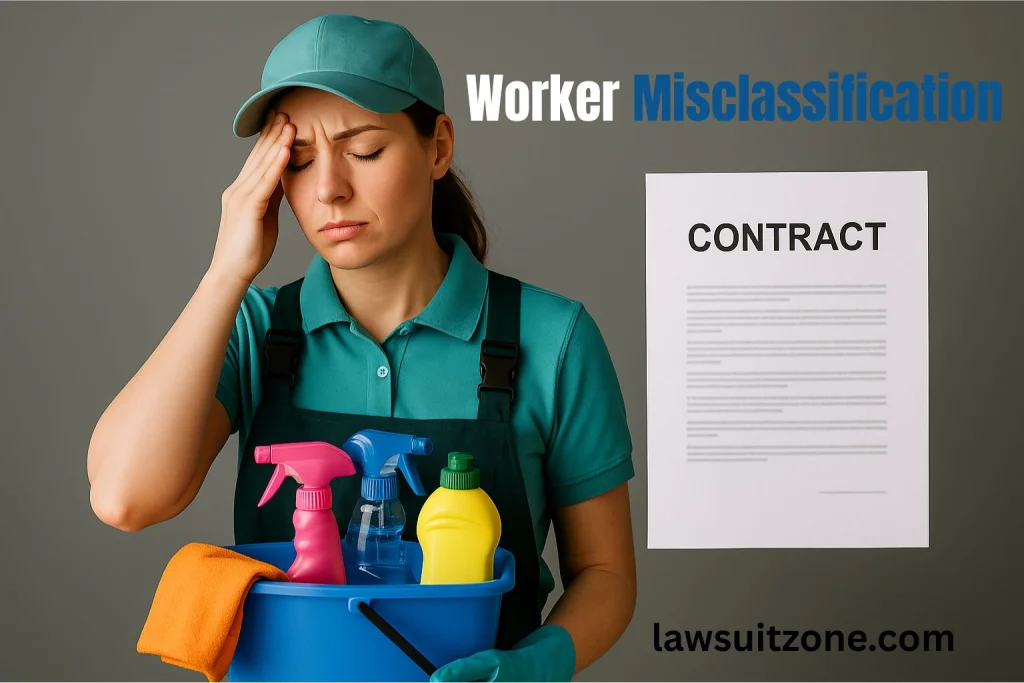
Plaintiffs contend that Homeaglow inappropriately classifies its cleaners as independent contractors, not employees. This denies workers benefits like health insurance, overtime pay, and protections against minimum wages.
Issues Raised
- Lack of guaranteed hourly wage
- No reimbursement for travel expenses or supplies
- No unemployment or workers’ compensation benefits
2. Wage Theft and Unfair Pay Practices
Some cleaners claim they were promised specific rates but ended up receiving less after fees and deductions. Others allege that cancellation fees or last-minute scheduling changes often left them unpaid for time invested.
3. Misleading Marketing Practices
Consumers filed complaints suggesting that Homeaglow exaggerated the vetting process of cleaners. While ads promised “trained and background-checked professionals,” customers reported inconsistent service quality.
Examples of Issues Reported:
- Booked cleaners not showing up on time
- Inexperienced or undertrained cleaners sent to homes
- Misrepresentation of hourly rates versus actual final charges
4. Consumer Safety and Liability
Some complaints also dispute who is responsible when something goes awry. Buyers have complained about theft, damage to property, and a lack of insurance coverage in the event of disputes.
Why the Homeaglow Lawsuit Matters
The Homeaglow lawsuit is more than the case of one company—it’s a spotlight on issues across the gig economy:
- Worker Rights: Do gig workers deserve the same protections as employees?
- Transparency: How transparent are platforms regarding fees, vetting, and service quality?
- Consumer Confidence: Consumers require transparent expectations upon reserving critical services.
- Industry Norms: The result may have an impact on the future of such service apps.
Timeline for the Homeaglow Lawsuit
- 2019–2020: Homeaglow becomes popular as a home cleaning service platform.
- 2021: Worker classification issues start emerging online.
- 2022: Initial lawsuits are filed with allegations of misclassification and wage theft.
- 2023: Consumer grievances mount, including instances of unscrupulous services and ambiguous fees.
- 2024: Class action cases widen, attracting national attention.
- 2025: Homeaglow lawsuit is a landmark case for gig economy worker labor disputes and consumer protection.
Real Stories from Workers and Consumers
Sophia, 34 – Cleaner
“I thought I was going to get flexible scheduling at Homeaglow, but I was being paid below minimum wage after gas and materials. I had no benefits, and if a client canceled, I got nothing.”
James, 42 – Customer
“I hired Homeaglow because they said all cleaners were vetted professionals. The cleaner who arrived was obviously inexperienced, and I still paid for two hours of substandard work.”
Maria, 28 – Cleaner
“They advertised independence, but actually, we didn’t have control. The app dictated prices, times, and charges. We felt like employees without protection.”
David, 50 – Customer
“When my cleaner broke furniture by accident, I learned the liability did not protect me. The company simply sent me to small claims court.”
These anecdotes explain why the Homeaglow lawsuit resonated on both sides of the platform.
Expert Insights
Legal Experts
Carla Simmons, Employment Lawyer:
“Cases such as the Homeaglow suit might reshape the application of labor law to the gig economy. If workers are truly employees, they should be afforded the same rights and protections.”
Consumer Advocates
Dr. Ellen Ross, Consumer Rights Advocate:
“Transparency is the most important thing. If platforms advertise safety and reliability and don’t provide it, that’s deceptive advertising. Consumers should be able to rely on what they’re purchasing.”
Bigger Implications for the Gig Economy
The Homeaglow lawsuit has the potential to establish precedent across many industries:
- Stronger Protections for Workers: Courts might push gig platforms to provide minimum wage assurances and benefits.
- Better Marketing Regulations: Platforms might be subject to more restrictions on how they market services.
- Insurance & Responsibility: Companies might be compelled to ensure greater protections for both workers and consumers.
- Increased Consumer Awareness: Individuals will be less likely to presume cheap gig services equal professionalism.
Better Alternatives to Homeaglow
Established Cleaning Services
Traditional cleaning companies often provide:
- Background-checked, trained employees
- Insurance coverage for damages
- Clear pricing policies
Local Independent Cleaners
Hiring directly through local networks can provide accountability and transparency, especially with references.
Gig Platforms with Stronger Protections
Some newer platforms now emphasize worker protections and insurance policies always check terms before booking.
Key Lessons for Consumers
The Homeaglow lawsuit teaches several important lessons:
- Don’t blindly trust buzzwords: “Vetted” and “professional” have varying definitions.
- Read the fine print: Know cancellation policies, liability insurance, and surprise fees.
- Support ethical platforms: Look for services that compensate workers fairly and safeguard customers.
- Document everything: Keep receipts, communication, and terms in case there are disputes.
- Know your rights. Report deceptive practices to the Federal Trade Commission.
FAQs
Conclusion: Informed Choices in the Gig Economy
The Homeaglow lawsuit is not about one company it’s about transforming trust in the gig economy. Though on-demand services are convenient, they also put workers and customers at risk when companies don’t offer transparency and protections.
As a customer, your best protection is information. Ask hard questions, read the fine print, and opt for platforms that value their employees as well as their consumers.
Ultimately, true convenience isn’t about fast service it’s about fair, honest, and safe service.