Complete Guide to Home Theatre Installation in Brisbane
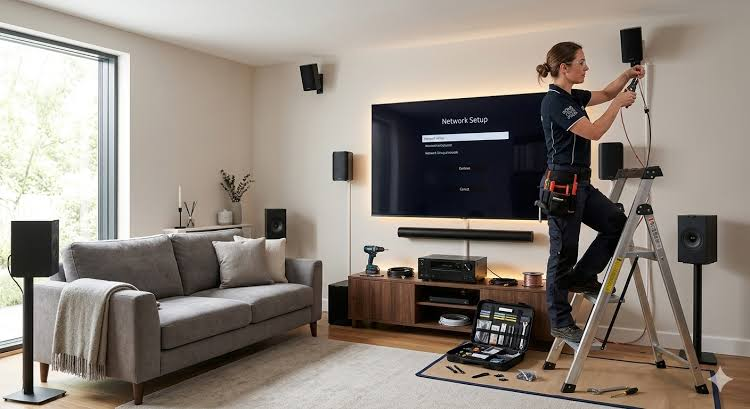
Creating a home theatre system in Brisbane offers an excellent way to enhance the entertainment experience within one’s residence. This guide provides a comprehensive overview of the essential components and considerations necessary for a successful home theatre installation in Brisbane, ensuring that homeowners can enjoy immersive sound and visual quality combined with practical design.
Understanding the Basics of Home Theatre Systems
A home theatre system aims to replicate the cinema experience in a residential setting. It typically consists of a high-definition display, surround sound audio system, media players, and appropriate seating arrangements. The installation involves integrating these elements to optimise sound distribution and image quality, tailored to the specific room size and shape.
The Importance of Professional Home Theatre Installation
While some homeowners may consider a DIY approach, professional Home theatre Installation Brisbane services provide advantages such as expert advice on system selection, precise mounting and wiring, and calibration of audio and video components. Professionals also ensure compliance with electrical safety standards and offer customised solutions aligned with the customer’s preferences.
Selecting the Right Location for the Home Theatre
The choice of room significantly impacts the installation process and overall experience. Ideally, a room with minimal natural light and minimal external noise interference should be selected. This helps maintain consistent lighting conditions for the display and facilitates better sound control within the space.
Display Options for Brisbane Home Theatres
For the visual component, options include large-screen LED or OLED televisions, projection screens, or a combination thereof. Projectors are particularly popular for home theatre rooms, offering cinema-like screen sizes. The choice depends on factors such as room size, lighting conditions, and budget.
Audio System Considerations
Audio is a critical element in home theatre systems. Surround sound systems commonly use a 5.1 or 7.1 speaker configuration, which includes front, centre, rear speakers, and a subwoofer to replicate the audio environment of a commercial cinema. Home theatre installation professionals can advise on speaker placement for optimised sound distribution.
Acoustic Treatment and Soundproofing
Sound quality can be enhanced through acoustic treatment measures such as installing sound-absorbing panels, carpets, or specialised curtains. Additionally, soundproofing the room helps to prevent disturbance to other household members or neighbours, which is especially relevant in residential areas of Brisbane.
Integration of Media Sources
Modern home theatres may integrate several media sources including Blu-ray players, streaming devices, gaming consoles, and personal media libraries. A well-designed installation ensures seamless switching between sources and easy user control, often utilising universal remote controls or automation systems.
Lighting Design for Home Theatre Rooms
A controlled lighting environment enhances viewing comfort and image quality. Dimmable lighting or LED strips can be installed to provide ambient lighting that reduces eye strain without causing screen glare. Lighting control systems can be integrated to adjust settings conveniently from seating positions.
Furniture and Seating Layout
Comfortable seating arranged to face the display directly is vital. Recliner seats are popular choices, offering adjustable positions and built-in cup holders. The number of seats depends on room size and intended use, whether for family viewing or entertaining guests.
Smart Home Integration
Increasingly, home theatre systems are integrated with smart home technology. This allows control via smartphones or voice assistants, creating unified environments for lighting, audio, video, and climate control. Such integration adds convenience and enhances the overall user experience.
Power Management and Cable Organisation
Handling power supply and cable management is essential to maintain safety and aesthetics. Professional installers design concealed wiring paths and use surge protection to safeguard components. Labelled cables and tidy installations facilitate maintenance and upgrades when necessary.
Budget Planning for Home Theatre Installation in Brisbane
The cost of a home theatre installation can vary significantly depending on the complexity, components chosen, and labour involved. Engaging with a reputable Home theatre Installation Brisbane specialist early in the planning process can aid in establishing realistic budgets and managing expectations.
Common Challenges During Installation
Potential challenges include room acoustic deficiencies, wiring difficulties, and integrating legacy equipment with new technology. Professional services have the expertise to address these issues efficiently, mitigating delays and additional expenses.
Maintenance and Upkeep of Home Theatre Systems
To maintain optimal performance, regular cleaning of audio and visual equipment, periodic system calibration, and software updates for digital components are necessary. Establishing service agreements with installation providers can ensure ongoing system reliability.
Benefits of Choosing Local Brisbane Installers
Opting for local home theatre installation experts in Brisbane facilitates better communication, faster response times, and knowledge of regional building codes and environmental conditions. Local professionals can also provide tailored advice based on popular home designs in the area.
Conclusion
Investing in professional Home theatre Installation Brisbane services ensures a high-quality, custom-designed home theatre system that delivers an immersive entertainment experience. From the initial planning and design to installation and maintenance, expert guidance is invaluable in addressing technical challenges, optimising room utilisation, and ultimately achieving an impressive media environment within the comfort of one’s home.