What the First 30 Days After a Houston Car Crash Reveal About Your Case
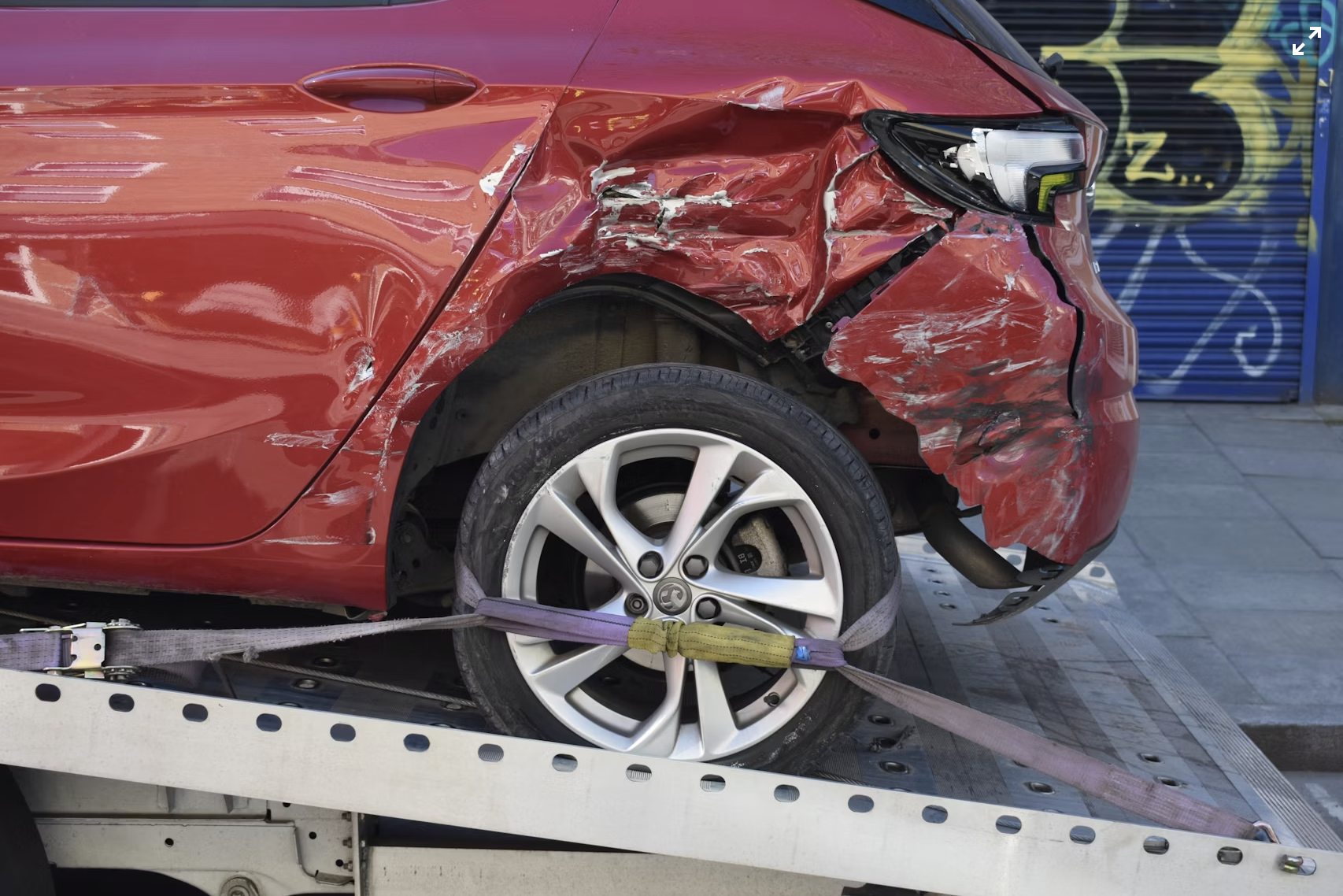
There is a moment after a car crash when everything slows down. The adrenaline fades, the vehicles are moved, and the scene that determined what happened that day begins to disappear. Most drivers leave the crash site thinking the hard part is over.
In reality, the decisions made in the first 30 days after impact are often more important than anything that happened in the seconds before it.
Houston recorded 67,644 total traffic crashes in 2023 according to the Texas Department of Transportation. Harris County consistently ranks as the most crash-active county in the state. For the thousands of people navigating the aftermath of a collision each year, the difference between a fair recovery and a shortchanged one usually comes down to what was preserved, what was documented, and when legal help entered the picture.
Knowing when to call a car crash lawyer from reputable firms like Sutliff & Stout is one of the most consequential decisions an injured driver will face. The window for making it correctly is shorter than most people realize.
How Evidence Disappears Before You Know You Need It
Surveillance footage from businesses along Houston’s busiest corridors, including Interstate 10, Interstate 45, and Loop 610, is typically overwritten within 30 days. Dashcam files are deleted or overwritten within 72 hours on most devices unless the footage is manually saved. Black box data from commercial vehicles can be erased under standard carrier retention policies before a legal hold ever reaches the trucking company. By the time an injured driver decides they need help, some of the most valuable evidence in their case may no longer exist.
The Houston Police Department crash report under Texas Transportation Code Section 550.065 is one of the few records that do not disappear on a tight timeline. It becomes available within 10 business days of the incident and serves as the official account of fault findings, road conditions, and vehicle positions at the time of the crash. But the report only captures what the responding officer observed after the scene had already been cleared. It does not replace the footage, witness accounts, and physical evidence that disappear in the hours and days immediately following the collision.
What makes this window so critical is that the people on the other side of the claim are already working. The at-fault driver’s insurance carrier assigns an adjuster within hours of a reported crash. That adjuster begins building the file, evaluating the evidence, and in some cases, reaching out to the injured party before legal representation is involved. The evidence that was present at the scene shapes everything that follows.
What Insurance Companies Are Doing While You Are Still Recovering
Insurance adjusters contact injured drivers quickly after a crash. The call is usually framed as an effort to help. The purpose is something different. Adjusters gather recorded statements while the injured party is still in shock, before they have had the chance to understand their injuries or their legal rights. Under Texas Civil Practice and Remedies Code Chapter 33, an injured driver found to share more than 50 percent of fault in a crash cannot recover any compensation. The recorded statement is one of the primary tools used to build that fault percentage.
The adjuster will also evaluate the medical record. If the injured driver delayed seeking treatment, the carrier will argue that the injuries were not serious or were caused by something other than the crash. Memorial Hermann Hospital and Houston Methodist both document the mechanism of injury in the initial emergency visit. That note, written on the day of the crash, is what connects the physical harm to the specific incident in a way that is very difficult for the insurance company to dispute later.
First settlement offers often arrive before the injured driver has finished treatment. These offers are calculated based on documented past costs, not projected future ones. A driver with a spinal injury who is still in physical therapy, or a cyclist with a traumatic brain injury who has not yet seen a neurologist, will receive an offer that does not account for what their recovery will actually require. Accepting it closes the claim permanently.
When the Clock Starts Working Against You
Texas Civil Practice and Remedies Code Section 16.003 gives injured drivers two years from the crash date to file a personal injury lawsuit in Harris County District Court. That deadline sounds distant in the days immediately following the collision. But the evidence that determines what a case is worth disappears on a completely different timeline. Surveillance footage is gone in 30 days. Witness contact information fades within weeks. Vehicle black box data may be overwritten before the month is out.
Understanding the specific signals that indicate when legal help becomes necessary can help injured drivers recognize the right moment to act before the opportunity closes. A detailed breakdown of when to call a car accident attorney identifies the key circumstances that make early legal involvement critical, from disputed fault to serious injuries to cases involving commercial vehicles. Recognizing those signals early is the difference between a case built on complete evidence and one built on whatever survived the first month.
The two-year filing deadline and the 30-day evidence window are not the same thing. Many drivers confuse them. They wait until the deadline feels close before taking action, and discover that the footage, the witness statements, and the early medical records that would have made their case straightforward are no longer available. What remains is a claim that is harder to prove and easier for the insurance company to reduce.
What Happens When a Car Crash Lawyer Enters the Case Early
A car crash lawyer in Houston begins working the evidence timeline from day one of engagement. Legal hold letters go to the at-fault driver, the insurance carrier, any commercial fleet operator involved, and any property owner whose surveillance cameras cover the crash corridor. Medical record requests are submitted to the treating providers. The Houston Police Department crash report is pulled as soon as it becomes available. None of these steps waits for the client to ask.
The lawyer also takes over all communication with the insurance adjuster. This removes the risk of a recorded statement being taken before the injury picture is fully documented. It blocks early settlement offers from reaching the injured driver before future treatment costs have been calculated. And it signals to the opposing carrier that the case is being handled by someone who understands the full value of the claim and is prepared to take it to a Harris County jury if the offer does not reflect that value.
Sutliff and Stout, a Board Certified personal injury firm in Houston, recovered 6,429,788 dollars in a wrongful death case where the at-fault carrier held only 980,000 dollars in available coverage. A separate Harris County jury returned a $13.3 million verdict after the insurer offered the injured family zero dollars before trial. Both outcomes depended on early action, complete evidence, and a legal team prepared to do more than accept the first number presented.
The Steps That Protect You When Everything Feels Overwhelming
Getting medical care immediately after a crash is the most important first step. The initial emergency record is where the injury-crash connection is established, and it cannot be reconstructed after the fact. Memorial Hermann Hospital, Houston Methodist, and Harris Health System all treat crash injuries and document the mechanism of harm in the first clinical note. That record becomes the foundation for everything that follows, including the damages calculation, the insurance negotiation, and any lawsuit filed in the Harris County District Court.
Photographing the crash scene, collecting witness contact information, and preserving any dashcam footage before the device overwrites are all actions that protect the injured driver in the days following the incident. The Houston Police Department crash report should be requested as soon as it becomes available. Insurance adjusters should not receive recorded statements before legal representation is in place.
The first 30 days after a Houston car crash do not have to be faced alone. A free legal consultation costs nothing and takes very little time. What it provides is a clear picture of what the evidence still shows, what the claim is worth, and whether the window for preserving the rest of it is still open.