What Happens If a Dog Bites You on Someone Else’s Property?
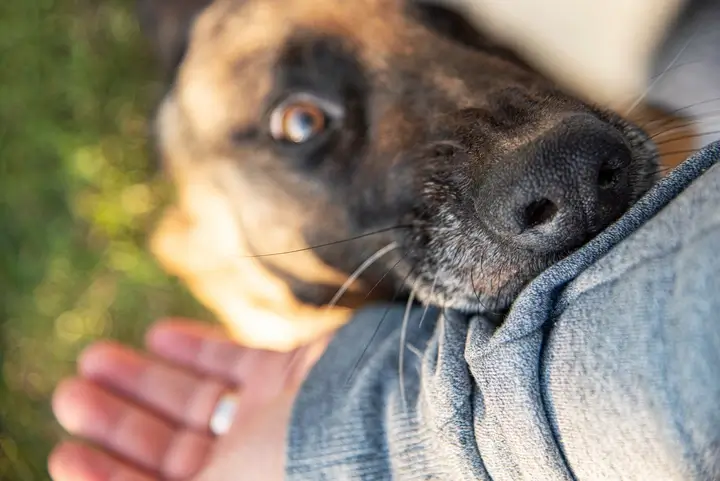
Getting bitten by a dog is stressful enough on its own and it becomes even more confusing when it happens on someone else’s property. Maybe you were visiting a friend, dropping something off, or walking through a neighbor’s yard. At first, most people are focused on the injury, but once things settle, the questions start to come up.
Who is responsible? Does it matter where it happened? And what should you actually do next?
Here’s how these situations are usually handled.
Who Is Responsible?
In most cases, responsibility falls on the person who owns the animal. Many states follow what’s called a strict liability rule. This means the person can be held accountable even if the dog has never shown aggressive behavior before.
That said, the law isn’t identical everywhere. Some states still apply a version of the one bite rule where the outcome may depend on whether the owner had reason to believe the dog could be dangerous.
Another important detail is your reason for being on the property. If you were invited, working there, or otherwise allowed to be there, your claim is generally stronger. If someone was trespassing, the situation can become more complicated.
When the Property Owner May Also Be Liable
While the dog’s owner is usually the first person looked at, the landowner may also share responsibility in certain situations.
This tends to come up when they knew there was a risk and failed to act. For example, a landlord who allows a tenant to keep a dangerous dog without addressing complaints or safety concerns could potentially be held partially liable. The same idea applies if there were unsafe conditions, such as broken fencing or a gate that doesn’t close properly.
These cases are rarely simple. Liability often depends on what the owner knew, what control they had, and whether they took reasonable steps to prevent harm. In some situations, responsibility may be split between multiple parties, which can affect how any compensation is handled.
What to Do Immediately After the Incident
What you do right after matters, both for your health and for any potential claim.
The first priority is medical care. Even a small bite can lead to infection if it isn’t treated properly. The American Veterinary Medical Association notes that dog bites lead to hundreds of thousands of emergency room visits each year, and untreated wounds can quickly become more serious.
It’s also important to report what happened. This usually means contacting local animal control or another authority that can document the incident. Having an official report creates a record that may be useful later.
If you’re able to, try to gather basic information while the details are still fresh. This includes the owner’s contact information, confirmation of the vaccinations, and any photos of your injuries or the location. If anyone witnessed the incident, their account could also help clarify what happened.
Should You Hire a Lawyer?
At some point, many people start wondering whether they need legal help. The answer depends on the severity of the situation and how clear the responsibility is.
If the injury is serious, requires ongoing treatment, or results in scarring, the wisest thing to do is to hire a dog bite lawyer. The same applies if there’s uncertainty about who is responsible, especially when both may be involved.
Insurance companies often play a major role in these claims. Homeowners’ insurance typically covers dog-related incidents, and insurers are used to handling them. A lawyer can help sort out who is legally responsible, deal with the insurance company, and estimate what a fair outcome looks like based on your situation.
They can also step in if negotiations stall or if the claim is denied. Many offer free consultations and only get paid if you recover compensation, which makes it easier to explore your options without taking on additional financial risk.
What Compensation Can You Recover?
The financial impact can go beyond the initial medical bill. Compensation is meant to cover both immediate costs and longer-term effects.
This often includes medical expenses, especially if follow-up treatment or rehabilitation is needed. Lost income can also be part of a claim if the injury caused you to miss work. Beyond that, there is compensation for pain and suffering, as well as emotional distress in more serious cases.
These attacks can have lasting psychological effects, particularly for children. Research suggests that a noticeable percentage of victims experience ongoing fear or anxiety after an incident, which can affect daily life in ways that aren’t always obvious at first.
The exact amount of compensation depends on several factors, including how severe the injury is, how clear the responsibility is, and what insurance coverage is available.
What If You Were Partially at Fault?
Not every case is completely straightforward and in some situations, the injured person may share part of the responsibility. This can happen if someone ignored clear warnings, entered a restricted area, or behaved in a way that contributed to the incident. When that happens, comparative fault rules may apply.
Under these rules, your compensation can be reduced based on your share of responsibility. For example, if you were found to be 20% at fault, your recovery could be reduced by that percentage. However, partial responsibility does not automatically prevent you from receiving compensation altogether.
Time Limits to File a Claim
Legal claims come with deadlines, known as statutes of limitations. These deadlines set the amount of time you have to take action after an incident. The exact time frame varies by state, but it is often between one and three years. If you miss that window, you may lose the ability to pursue compensation entirely.
Because of this, it’s generally a good idea to look into your options sooner rather than later. Acting early also makes it easier to gather evidence and preserve details that might become harder to verify over time.
Final Thoughts
A dog bite on someone else’s property can raise complicated questions, especially when more than one person may be involved. While the animal’s owner is usually responsible, there are situations where a property owner may also share liability.
Taking the right steps early can make a real difference. Getting proper medical care, documenting what happened, and understanding your legal options all help protect your position.
If the injury is serious or the responsibility is unclear, speaking with a legal professional can help you understand where you stand and what to do next.