Alabama Tint Law Legal Window Tint Rules for Drivers 2026
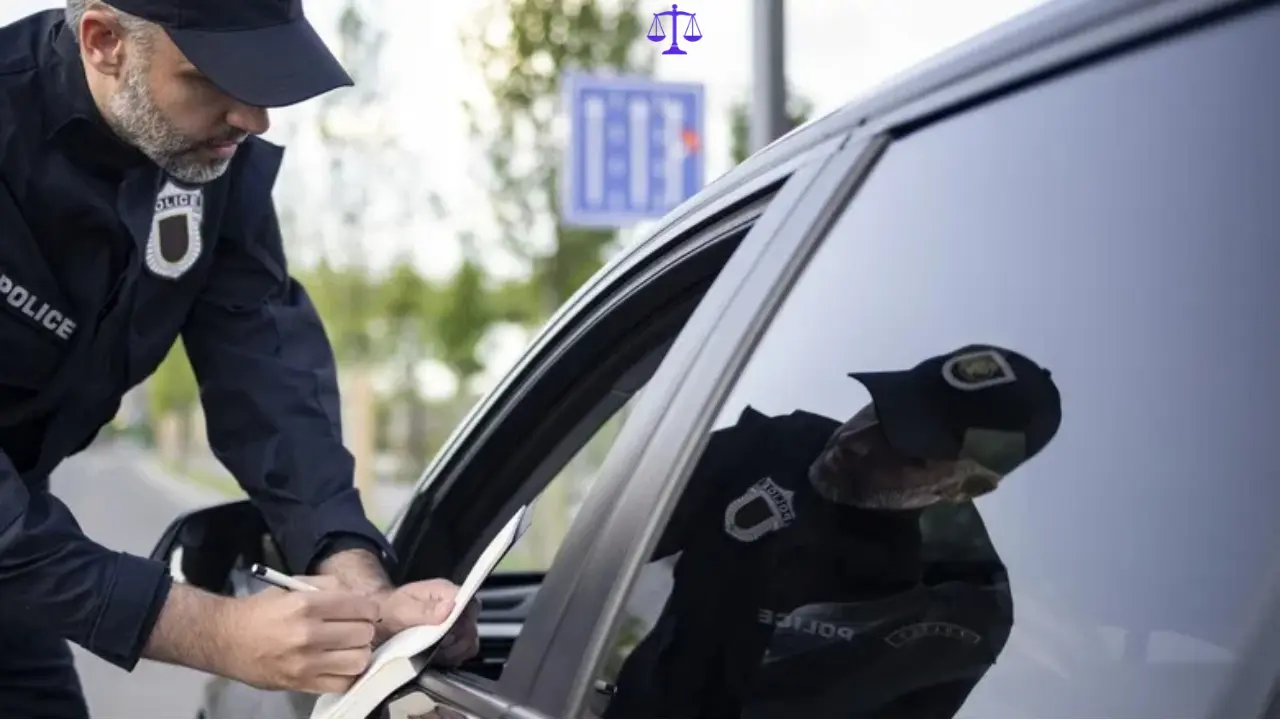
The Alabama tint law controls how much visible light must pass through a vehicle’s windows. These rules help drivers maintain clear vision and allow police officers to see inside a vehicle when needed.
Window tint can reduce glare, block harmful ultraviolet rays, and keep the vehicle cooler during hot weather. However, drivers must choose a legal tint level to avoid fines, inspections, or other penalties.
Alabama Tint Law Percentage for Passenger Cars
Under the Alabama tint law, most side and rear windows on passenger cars must allow at least 32% visible light transmission. The state permits a tolerance of three percentage points when officers test the glass.
Visible light transmission, also called VLT, measures how much light passes through the window and tint film. A lower VLT percentage creates a darker window, while a higher percentage allows more light to enter.
Alabama Window Tint Requirements
Alabama Tint Law, Drivers should check every window because the legal requirements can change based on their location. The following table provides a simple overview of the main rules for passenger cars in Alabama.
| Vehicle Window | Legal Tint Requirement |
|---|---|
| Front windshield | Transparent tint allowed on the upper six inches |
| Front side windows | At least 32% VLT with a 3% tolerance |
| Rear side windows | At least 32% VLT on passenger cars |
| Rear window | At least 32% VLT on passenger cars |
| Tint reflectivity | Must not reflect more than 20% of light |
| Medical exemption | Available for approved medical conditions |
| Compliance label | Required on approved aftermarket tint |
These figures apply mainly to standard passenger cars and station wagons. SUVs, vans, and multipurpose vehicles may follow different rules for windows behind the driver.
Windshield Tint Rules in Alabama
The Alabama tint law allows tint only on the upper six inches of the front windshield. The tint material in this area must remain transparent so it does not block the driver’s view.
Drivers should not install a dark strip that extends below the legal windshield area. An oversized or unclear strip may reduce road visibility and give an officer a reason to stop the vehicle.
Rules for Front Side Windows
Front-side windows must allow at least 32% of visible light to enter the vehicle. This requirement applies to the total combination of the original glass and any tint film added later.
Therefore, installing a film marked as 32% does not always create a final reading of exactly 32%. A professional installer should test the finished window with a tint meter before returning the vehicle.
Rear Window Rules for Cars and SUVs
The Alabama tint law generally requires the rear side windows and back window of a passenger car to meet the 32% VLT standard. This rule gives drivers privacy while preserving enough visibility for safe driving.
Rules can differ for vans, SUVs, and other multipurpose passenger vehicles. These vehicles may use darker material behind the driver when the tint follows federal standards, and the vehicle has proper outside mirrors.
Reflective and Mirrored Tint Restrictions
Alabama limits how reflective vehicle tint can appear from outside the car. Tinting material must not reflect more than 20% of light, which prevents highly mirrored windows.
Reflective film may reduce heat, but excessive reflection can disturb other drivers and reduce road safety. Drivers should ask the installer for product information that confirms the film meets Alabama’s reflectivity limit.
Medical Exemptions for Darker Tint
The Alabama tint law provides medical exemptions for people who need extra protection from sunlight. A licensed physician normally must provide written information that explains the medical need for a darker tint.
Alabama law also includes special protection for people diagnosed with light-sensitive porphyria. A physician may prescribe an exemption that applies to additional areas of the windshield and windows.
Tint Stickers and Installation Requirements
A legal aftermarket tint should carry the required compliance label or sticker. The label helps show that the tinting product has received approval and meets the state’s technical standards.
The Alabama tint law also prohibits installers from applying material that fails to meet legal requirements. Choosing a trusted shop can reduce the risk of poor installation, illegal darkness, bubbles, peeling, or missing labels.
Penalties for Illegal Window Tint
A violation of Alabama’s window tint chapter can result in a misdemeanor charge. A first conviction may bring a fine of up to $100, imprisonment of up to ten days, or both.
A second conviction within one year may bring a fine of up to $200 or imprisonment of up to 30 days. A third or later conviction within the relevant period may bring a fine of up to $500 or imprisonment of up to three months.
How Police Test Window Tint
Police officers may use a tint meter to measure the amount of visible light passing through a window. The device checks the combined darkness of the factory glass and the aftermarket film.
The Alabama tint law includes a three-percentage-point tolerance for the 32% light transmission rule. However, drivers should not depend on that tolerance when selecting a film because glass readings can vary.
Tips for Staying Legal in Alabama
Before installing tint, drivers should confirm the vehicle type and check the factory glass rating. They should also tell the installer whether the vehicle is a passenger car, van, truck, SUV, or multipurpose vehicle.
Drivers should avoid selecting tint only because it looks dark or offers a low price. Instead, they should choose an approved product, request meter testing, and check for the required compliance label.
The Alabama tint law protects road users by balancing comfort, privacy, and safe visibility. Following the 32% VLT rule, the six-inch windshield limit, and the 20% reflectivity limit can help drivers avoid legal trouble.
Conclusion
Legal window tint can make driving more comfortable by reducing heat, glare, and ultraviolet exposure. However, every driver must ensure that the finished glass meets the state’s light transmission and reflectivity standards.
The Alabama tint law requires careful attention to window location, vehicle type, medical exceptions, and compliance labels. Drivers should review current ALEA guidance or speak with a qualified professional before installing unusually dark tint.