Park Social Lawsuit Update
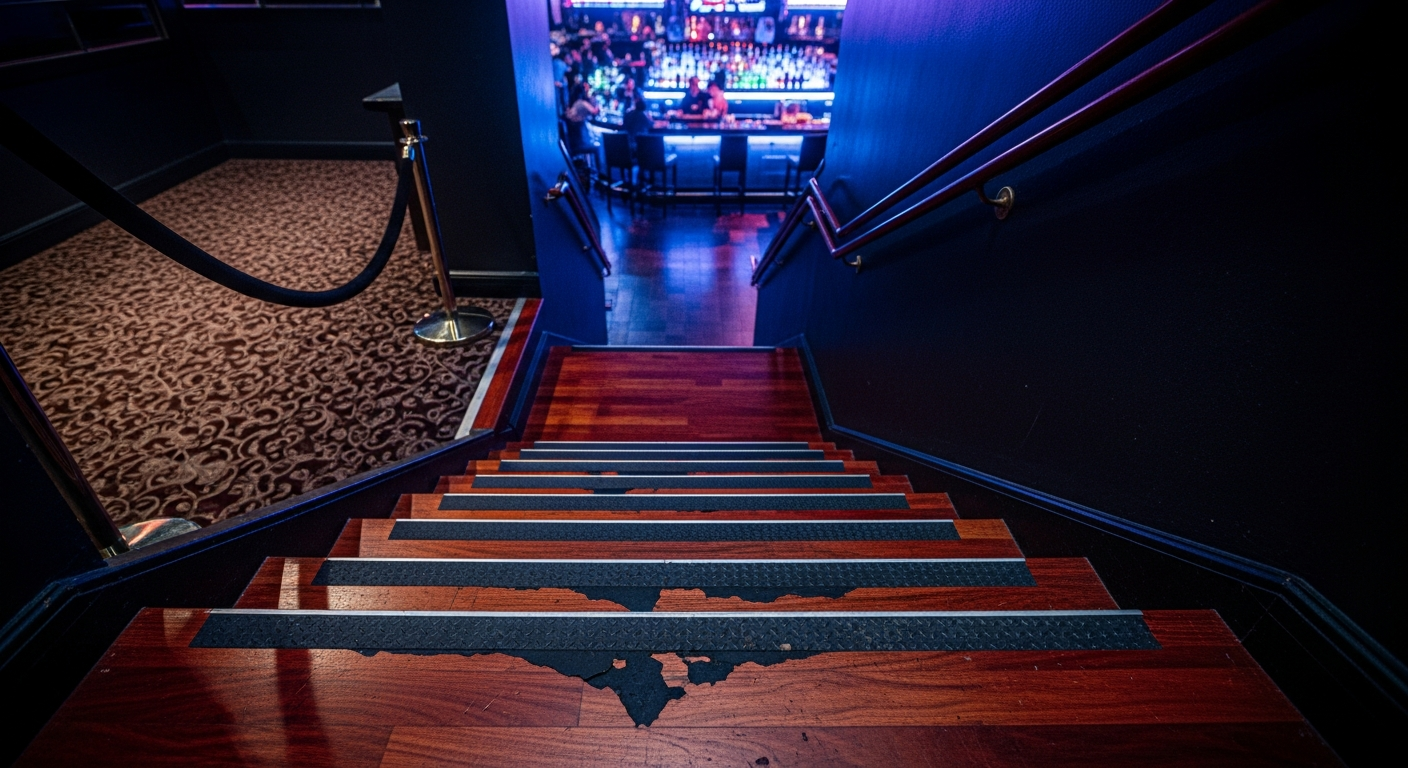
A reported $644.75 million Orange County jury verdict tied to a stairway fall at Park Social has put Florida bar and nightclub safety under a microscope. According to reports from News-1, the case involved allegations of a narrow, steep staircase, missing grip tape, inadequate handrails, and claims that patrons were directed toward a more dangerous route even though a safer staircase was available.
That result is unusual, but the legal questions behind it are familiar. When a guest falls at a bar, nightclub, or restaurant, the case often turns on whether the property owner did not keep the premises reasonably safe, whether the hazard was known or should have been known, and whether the injured person also shared some blame.
What Happened in the Reported Park Social Stairway Case?
The lawsuit centered on an incident at Park Social, an Orlando-area venue. According to reporting on the verdict, the plaintiff alleged they fell on a narrow, steep staircase that presented multiple safety hazards. The core allegations included a lack of grip tape on the stairs, inadequate handrails, and a design that was inconsistent with current building safety code expectations.
Here’s the detail that stands out. The plaintiff’s legal team argued that a safer, code-compliant staircase was available, but that employees directed patrons toward the more hazardous route. In a premises liability case, that kind of allegation carries real weight. It suggests the business not only failed to fix a dangerous condition but actively funneled guests into a zone of preventable risk, which can heavily influence a jury’s view of negligence.
The reported $644.75 million verdict is a headline-making figure, but such awards can be challenged through post-trial motions or on appeal. A verdict is a jury’s decision on liability and damages; it is not always the same as the final collected judgment. For those seeking broader context on how similar injury claims are handled, you can review this what to do after a slip and fall in Florida resource video.
When Can a Florida Bar or Nightclub Be Liable for a Fall?
A bar or nightclub can be held liable for a fall under a legal principle called premises liability. This is a property owner’s legal responsibility to use sensible care to maintain the premises in a reasonably safe condition for guests. It does not mean a business is automatically responsible for every injury that happens on its property.
In a bar or nightclub setting, exercising reasonable care can include a handful of practical duties:
- Regularly inspecting floors, stairs, and walkways for hazards like spills or debris.
- Fixing potentially dangerous conditions, such as broken steps or burned-out lightbulbs, within a reasonable amount of time.
- Warning guests about hazards that are not open and obvious.
- Keeping stairs equipped with proper handrails, slip-resistant surfaces, and adequate lighting.
- Making crowd-control and routing decisions that do not increase danger for patrons.
The central question in these cases is whether the property owner or manager knew or should have known about the unsafe condition that caused the injury and did not take steps to address it. A business that creates a hazard, such as by directing guests to an unsafe staircase, can also be found negligent.
Why Stairway Cases Can Produce Large Verdicts
The Park Social verdict is an outlier, but stairway fall cases can produce substantial awards because the injuries are often severe and life-altering. Falls cause many traumatic brain injuries (TBIs), according to the CDC. They can also cause spinal cord injuries, complex fractures, and permanent disabilities that require a lifetime of expensive medical care.
The value of a case is typically driven by the extent of the damages, meaning money awarded for losses like medical bills, lost income, and pain and suffering. When injuries are catastrophic, the financial and personal costs can be enormous.
Juries may also award significant damages when the evidence suggests a property owner ignored an obvious hazard that was simple or inexpensive to fix. Allegations like missing grip tape or forcing patrons to use a dangerous route can frame a business’s conduct as a conscious disregard for guest safety, and that framing can lead to higher verdicts.
How Florida’s Modified Comparative Fault Rule Could Affect Recovery
One of the most critical factors in any Florida fall case is the state’s rule on shared blame. Modified comparative fault is a legal rule that reduces an injured person’s compensation by their percentage of fault. In most Florida negligence cases, if the injured person is found to be more than 50% at fault for their own injuries, they can be barred from recovering any damages at all.
In a bar or nightclub setting, the defense will often argue that the injured person contributed to the fall. Common arguments include claims that the patron was impaired by alcohol, distracted by their phone, wearing inappropriate footwear, or simply not paying attention to where they were going.
| Jury’s finding on injured person’s fault | What it can mean for damages |
|---|---|
| 0% at fault | Full damages may be awarded |
| 20% at fault | Damages may be decreased by 20% |
| 50% at fault | Damages may be decreased by 50% |
| 51% or more at fault | Recovery may be precluded in many negligence cases |
Picture a jury that sets the total damages at $100,000 but finds the injured patron 25% responsible for the fall. The final award may drop to $75,000. That math is exactly why it’s essential to gather strong evidence showing the property owner was primarily responsible for the hazard.
What Evidence Usually Decides These Cases?
The outcome of a premises liability claim often depends on the strength of the evidence. Key pieces can include surveillance camera footage, which might capture the fall and the condition of the area. Incident reports created by the business, photographs of the scene taken immediately after the fall, and statements from witnesses are also crucial.
In a stairway case like the one reportedly involving Park Social, the evidence gets highly specific. Attorneys will often seek maintenance and inspection logs, repair records, and employee testimony about safety procedures. They may also hire experts to analyze whether the staircase complied with building codes, since code violations can be strong evidence of negligence.
What Should an Injured Guest Do After a Fall at a Bar, Nightclub, or Restaurant?
The steps taken in the moments, days, and weeks after a fall can significantly affect an injured person’s ability to pursue a claim. Preserving evidence and documenting the incident are the top priorities.
- Report the incident immediately. Notify a manager or employee on duty as soon as possible. Ask for a copy of the incident report or, if they refuse, make your own notes of who you spoke to and when.
- Photograph the scene before conditions change. Use your smartphone to take pictures and videos of the exact location where you fell. Capture the stairs, lighting, flooring, handrails, or any other hazard involved.
- Get witness contact information. If someone saw you fall or noticed the dangerous condition, ask for their name and phone number. Independent witnesses can be critical if the business later denies what happened.
- Preserve your footwear and clothing. The shoes and clothes you were wearing can become important evidence. Do not wash them or wear them again; store them somewhere safe.
- Seek prompt medical care. Go to an emergency room or urgent care clinic right away to have your injuries evaluated. Medical records create an official timeline and help connect your injuries directly to the fall.
What This Verdict Could Mean for Florida Property Owners
A verdict of this size, even if it is later reduced or appealed, serves as a powerful warning to property owners in the hospitality industry. The reported Park Social case may push bars, nightclubs, and restaurants across Florida to reexamine their safety protocols, especially around stair design, lighting, slip resistance, handrail placement, and crowd management.
The key takeaway is not that every fall claim is worth millions. It’s that juries may severely punish businesses for ignored hazards and operational choices that prioritize convenience or capacity over guest safety. Property owners still have strong defenses available, including a lack of notice of the hazard, arguments that no dangerous condition existed, or claims of patron fault. Even so, this verdict highlights the high financial exposure when severe injuries and strong evidence of negligence line up.
What Happens Next in Cases Like This?
After a large jury verdict, the legal process is often far from over. The defense can file post-trial motions requesting the judge to lower the award or grant a new trial. If those motions fail, the defendant will likely file an appeal, which requests a higher court to review the trial for legal errors that might have affected the outcome.
These post-verdict stages can take months or even years to resolve. During that time, the parties may also engage in settlement negotiations. A verdict draws headlines, but the final financial outcome often shifts depending on what happens after the trial concludes.
Why the Park Social Verdict Matters Beyond One Case
The reported Park Social verdict does not mean every fall case will produce a headline-sized award. What it does show is that Florida juries may take stairway hazards seriously when the evidence suggests a dangerous condition was preventable, known, or made worse by how guests were directed through a property. For injured guests and business owners alike, the lesson is the same: in premises liability cases, details and documentation matter.
If you or a loved one has been affected by a dangerous property condition, you may be entitled to financial compensation. The legal team at LawsuitZone offers a free, no-obligation case evaluation to help you understand your rights and potential legal options. Contact them today to learn more.