Oklahoma Lemon Law New Vehicle Defects Repairs 2026
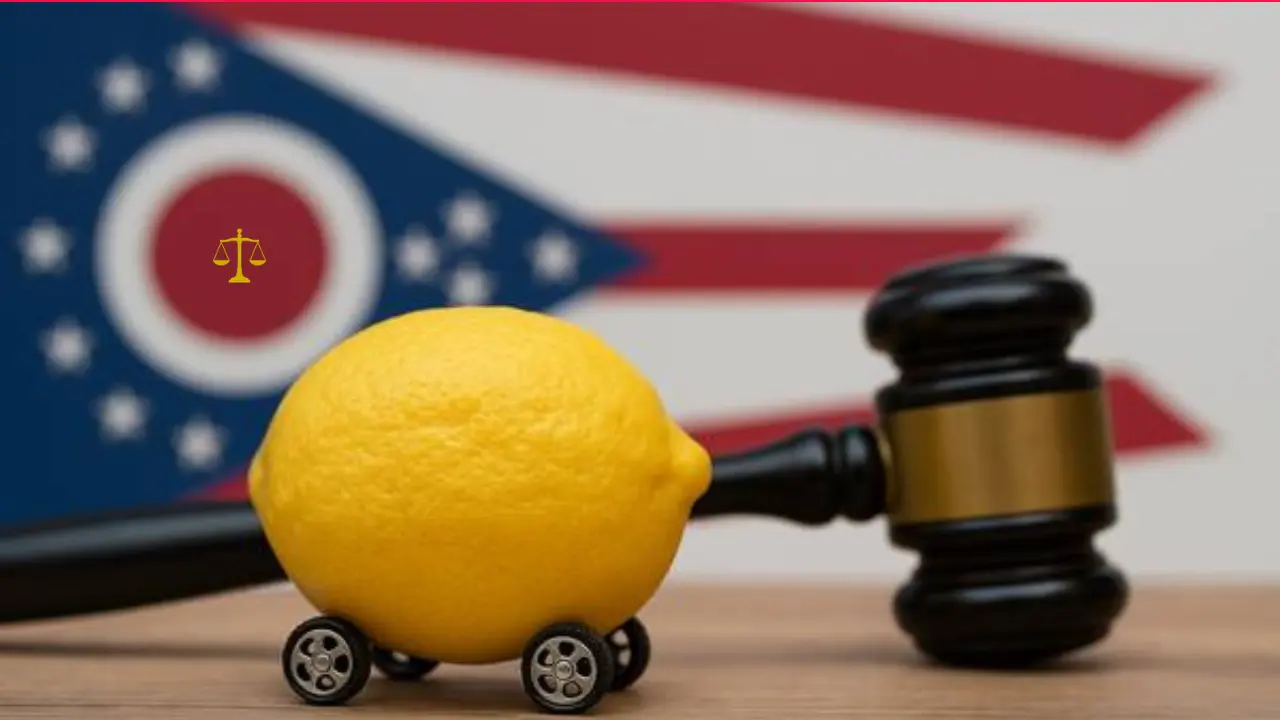
The Oklahoma lemon law is a state consumer-protection law that may require a vehicle manufacturer to repair, replace, or refund a qualifying new motor vehicle with a serious warranty-covered defect. It is not a single lawsuit, class action, or settlement. Instead, it is a statutory process that can apply to an individual vehicle owner or lessee when the facts meet the law’s requirements.
What is the Oklahoma lemon law?
The Oklahoma lemon law, commonly called the New Motor Vehicle Warranty Act, addresses certain defects in new vehicles that manufacturers cannot repair within a reasonable number of attempts. In general, it applies when a vehicle does not conform to an applicable express warranty, and the problem substantially impairs the vehicle’s use or market value.
Which vehicles may be covered?
The Oklahoma Lemon Law is aimed at new motor vehicles sold or leased in Oklahoma and covered by a manufacturer’s express warranty. Coverage can extend to purchasers and, in appropriate circumstances, lessees. It may also protect certain later transferees during the applicable period.
Not every vehicle or defect is covered. The statute contains definitions and exclusions that can affect eligibility. For example, issues caused by abuse, neglect, unauthorized modifications, or accidents may not be treated as warranty nonconformities. Components of a motor home used as living facilities may also be subject to different treatment than the vehicle’s chassis or driving components.
When can a defect qualify under the Oklahoma lemon law?
A consumer generally must report the nonconformity to the manufacturer, its agent, or an authorized dealer during the express warranty period or within one year after delivery of the vehicle, whichever occurs first. The reported problem must substantially impair the vehicle’s use or market value.
Substantially impair is a fact-specific standard. A safety-related defect, a recurring failure that prevents normal transportation, or a major mechanical problem may be more likely to raise a substantial-impairment issue than a minor cosmetic concern. Still, the exact facts, repair records, and warranty terms matter.
Repair Attempts
Oklahoma law creates a presumption that a manufacturer has had a reasonable number of repair attempts in certain circumstances. Generally, the presumption may arise if the same nonconformity has been subject to repair four or more times without being corrected, or if the vehicle has been out of service because of repair for a cumulative total of 30 or more business days.
Why repair orders matter
Repair orders are often the most useful records in a lemon-law dispute. They can show the date the vehicle was brought in, the mileage, the customer’s description of the problem, the dealer’s diagnosis, the repair performed, and the dates the vehicle was unavailable.
When leaving a vehicle for service, consumers may wish to make sure the repair order clearly states the symptoms they reported. If the issue is intermittent, a detailed description of when it occurs can be useful. Keep copies even if the dealer says it could not duplicate the condition.
What remedies can be available?
If a qualifying vehicle cannot be brought into conformity with its express warranty after a reasonable number of attempts, the Oklahoma lemon law may require the manufacturer to provide a replacement vehicle or accept the return of the vehicle and provide a refund. The consumer’s statutory choice and the precise financial terms depend on the law and the facts of the transaction.
Arbitration or an informal dispute program
Before pursuing a lemon-law remedy, a consumer may need to use an available manufacturer-sponsored informal dispute settlement procedure that meets statutory requirements. These programs are sometimes described as warranty arbitration or a dispute-resolution program.
Class action
No. The Oklahoma lemon law is a state law, not a class action lawsuit. It provides a possible remedy for individual consumers with qualifying new-vehicle warranty problems.
Multiple vehicle owners can experience similar defects, and separate class actions against manufacturers sometimes involve alleged vehicle defects. But the existence of the Oklahoma lemon law does not mean there is a certified class, a pending statewide lawsuit, or an automatic right to money for all Oklahoma vehicle owners.
Settlement?
There is no single Oklahoma lemon law settlement. The law itself does not create a statewide settlement fund, claim form, payout amount, or universal filing deadline.
A manufacturer may resolve an individual warranty or lemon-law dispute through a repurchase, replacement, repair agreement, or other negotiated resolution. Those agreements are specific to the parties and do not establish a general settlement for other vehicle owners. Likewise, a separate class-action settlement involving a particular manufacturer or model would have its own court-approved notice, eligibility rules, and deadlines.
Important timing issues
Timing is central to an Oklahoma lemon-law matter. The defect generally must be reported within the earlier of the express warranty period or one year after delivery. Waiting until a warranty expires can make it harder to use the statute, even if the vehicle continues to have problems later.
What consumers should keep
Good records do not prove that a vehicle qualifies, but they can help a consumer and the manufacturer evaluate what happened. Useful documents may include:
- The purchase or lease agreement and financing documents;
- The manufacturer’s warranty booklet and any extended-service contract;
- Every repair order, invoice, and towing record;
- Records showing dates the vehicle was unavailable for repair;
- Emails, letters, text messages, and case numbers from the dealer or manufacturer;
- Photos or videos that document recurring symptoms when safe to obtain; and
- Records of recalls, warranty extensions, or manufacturer communications related to the vehicle.
Evaluate a possible Issue
Start with the vehicle’s delivery date, warranty terms, and repair timeline. Determine when the issue was first reported, whether the same issue returned, and how many business days the vehicle was at the repair facility. Then review whether the condition appears to substantially affect the vehicle’s use or value.
Consumers can also contact the manufacturer’s customer-care department and ask about its informal dispute process. That contact does not decide whether a legal claim is valid, but it can identify the manufacturer’s required procedures and create a documented record of the complaint.
Frequently asked questions
What is the Oklahoma lemon law about?
It is a state law that may require a manufacturer to repair, replace, or refund a qualifying new vehicle with a serious express-warranty defect that cannot be fixed after a reasonable number of attempts.
Does a vehicle need four repair attempts to qualify?
Four unsuccessful repair attempts for the same nonconformity can help create a statutory presumption of a reasonable number of attempts. The law may also recognize 30 or more cumulative business days out of service for repair. Other eligibility requirements still apply.
Does the Oklahoma lemon law cover used cars?
The law is primarily directed at new motor vehicles. A used vehicle may have remaining manufacturer warranty coverage or other possible protections, but used-car issues do not automatically fall under the Oklahoma lemon law.
Is there a statewide Oklahoma lemon law settlement or claim form?
No. There is no single statewide settlement fund or general claim form created by the law. Any individual resolution or separate class settlement would have its own terms and official documents.
What records should I keep for a lemon-law issue?
Keep the purchase or lease documents, warranty, all repair orders, communications with the dealer and manufacturer, and records of time the vehicle was unavailable for repair.
Can a recall make a vehicle a lemon?
Not by itself. A recall and a lemon-law claim are different matters. A recall may be relevant to the vehicle’s repair history, but lemon-law eligibility depends on the statutory requirements and the specific facts.
Conclusion
The Oklahoma lemon law is an individual new-vehicle warranty remedy, not a lawsuit, class action, or statewide settlement. It may apply when a qualifying warranty defect substantially impairs a new vehicle’s use or value and remains unresolved after a reasonable number of repair opportunities.
No automatic refund, replacement, or compensation is available merely because a vehicle has been repaired more than once. The vehicle type, warranty, timing, repair records, defect, and required dispute procedures determine whether the law may apply. Consumers should rely on their records, the current statute, and official manufacturer or dispute-program materials when evaluating their options.