Complete Guide to the Hall and Oates Lawsuit in 2025
Introduction
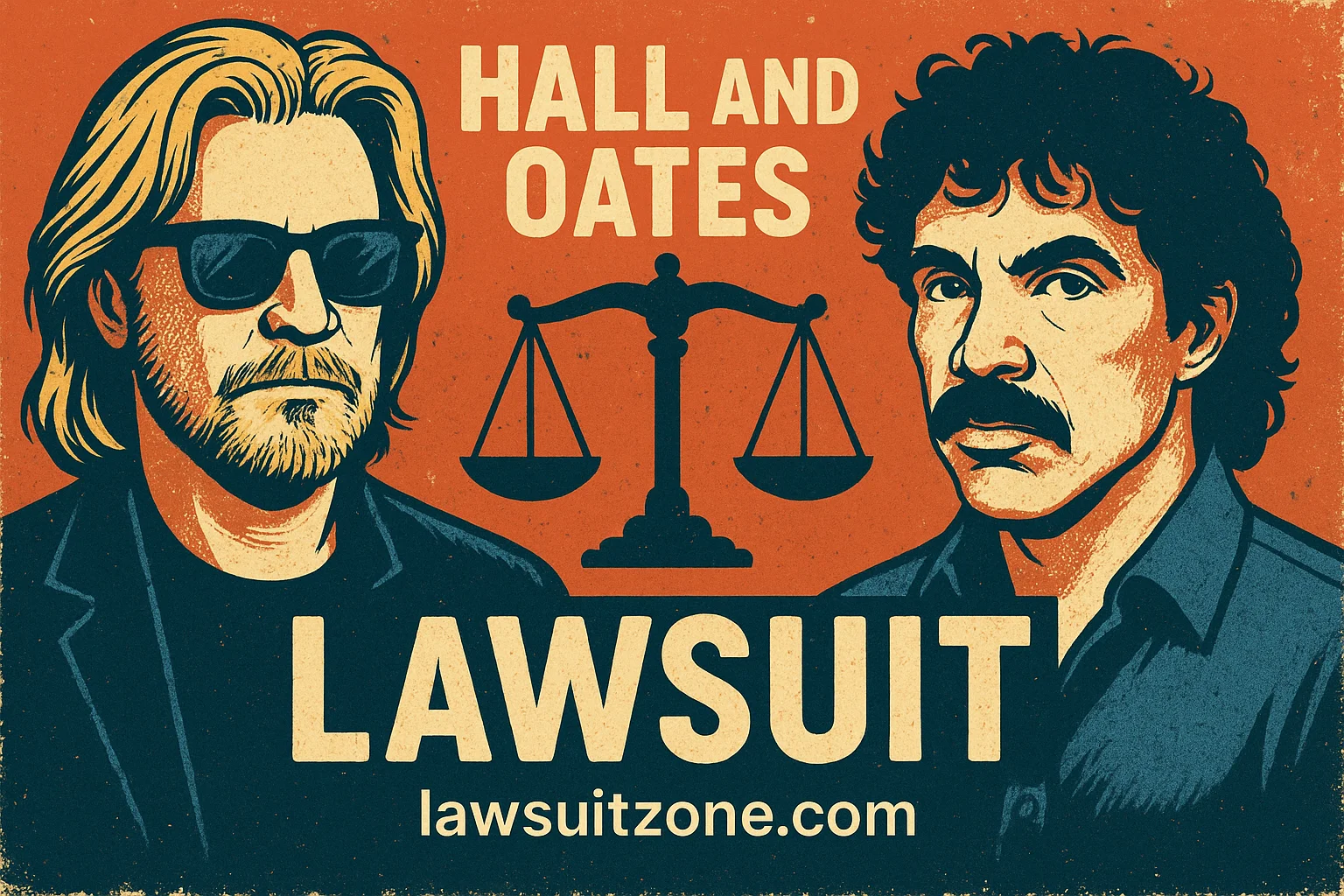
The Hall and Oates lawsuit has become one of the most talked-about legal stories in the music industry not because of scandal or greed, but because it reflects the challenges of managing success and trust in long-term creative partnerships.
The battle marked a far cry from the chart-topping hits, world tours, and business ventures of Daryl Hall and John Oates, one of pop’s most iconic duos, as they found themselves in a courtroom instead of a concert hall. The dispute raised questions over ownership, partnership rights, and what happens when artistic harmony meets business conflict.
The complete guide summarizes how the lawsuit began, what it involved, who was affected, how the case was resolved, and what lessons can be learned by both artists and entrepreneurs. Have you checked our detailed guide native shampoo lawsuit.
The Background: From Harmony to Legal Disagreement
To understand the Hall and Oates lawsuit, we need to start with their legacy: Daryl Hall and John Oates reached heights of fame during the 1970s and 1980s, churning out timeless hits from “Maneater” to “Rich Girl” to “You Make My Dreams.” But behind the music lay a much more complex business relationship.
The two built a joint venture over the years that managed their catalog, image rights, and other shared assets; as their songs continued to generate royalties via streaming, advertisements, and films, that business became more valuable.
Yet, decades of collaboration can also mean creative differences and personal boundary setting. When one partner wanted to make a major business move involving a potential sale or restructuring the other objected. That objection began the Hall and Oates lawsuit.
What Sparked the Hall and Oates Lawsuit
The lawsuit emerged when the two musicians’ tensions turned into a formal legal conflict. It was reported that one partner allegedly tried to sell his share of their jointly owned venture without the full consent of the other.
But from a legal perspective, the move raised several red flags in terms of partnership agreements, intellectual property, and control over their musical legacy. One side said it was a transaction for which there were existing agreements; another side said it was a valid business transaction.
The result was a breakdown of trust — one of the most frequent triggers in partnership disputes. What once was a harmonious collaboration built on music and friendship had evolved into a corporate struggle over rights, revenue, and ownership.
The Legal Battle: A Timeline
While the Hall and Oates lawsuit gained public attention only recently, its buildup spanned several months. Here’s a simplified look at how the situation unfolded:
- Early Stage: One of the partners opens negotiations with either buyers or investors for their share in the venture.
- Mid Stage: The other partner becomes aware of the proposed deal and objects to it on grounds of partnership obligation breach.
- Legal Filing: A formal lawsuit and request for an injunction to stop the sale until the matter is settled.
- Court Proceedings: Temporary orders and hearings are held to determine whether the transaction can move forward.
- Resolution Phase: The case moves towards arbitration, which is a private process for dispute settlement outside of public trial.
The case ultimately settled through private negotiations, the terms of which were not publicly disclosed. Yet both sides have confirmed that the litigation has been concluded.
The Main Legal Issues Explained
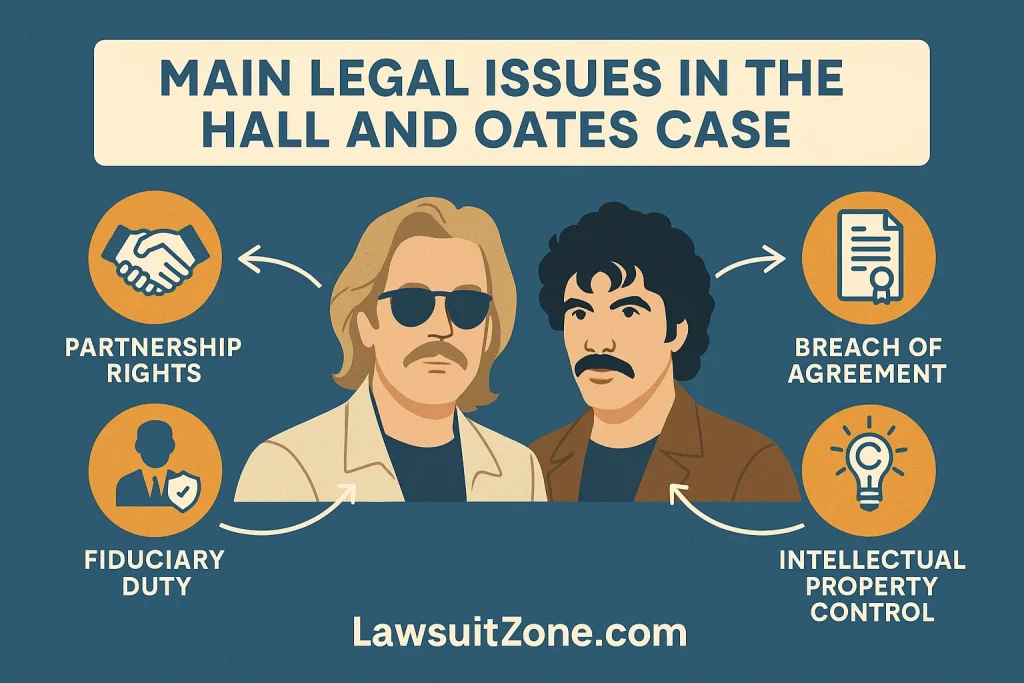
The Hall and Oates case was centered around a number of important legal themes common to business partnerships, particularly in creative fields.
1. Partnership Rights
Both artists were already tied into a legal arrangement governing the joint catalog and brand; in such cases, it usually requires mutual consent of the partners for any sale of ownership or shares.
2. Breach of Agreement
One of the parties accused the other of breaching the terms of their partnership agreement. This is quite a grave accusation, as these agreements usually define the manner in which decisions, profits, and assets are shared.
3. Fiduciary Duty
The fiduciary duty owed by the partners in a joint venture is tantamount to a legal obligation to deal in good faith and ensure adequate disclosure of material information. Thus, any less-than-open transaction or nondisclosure can be considered a breach of that duty.
4. Intellectual Property Control
Their catalog, trademarks, and likeness rights were all important assets. The lawsuit probably was about who had the right to sell, license, or manage them from now on.
5. Arbitration and Confidentiality
The case was settled through arbitration, a private means that is often used to keep the dispute away from the limelight. This approach granted both parties privacy and avoided press-fueled drama.
The Emotional Side of the Lawsuit
Besides the legalese, the Hall and Oates lawsuit is very personal. Both these artists built a career together that spans well over fifty years — an extraordinary partnership by all means.
When partnerships like these break apart, it’s rarely simply financial or about breaches of contract. It’s about identity, trust, and creative legacy. Many close partnerships, musical, business, or artistic, face challenges when one side feels unlistened to or devalued.
There were times when Daryl Hall felt his creative vision was misunderstood, and John Oates felt business limitations constrained him. Over time, those emotional differences can harden into legal disputes.
What this case illustrates is that behind every successful brand or partnership, there are real people and complex relationships — and if those relationships fall apart, it can affect everything from ownership to reputation.
Who Was Affected by the Dispute
The lawsuit largely centered on the two musicians, but its implications extended far beyond.
- Business Partners: This uncertainty of ownership and licensing had to be managed by managers, publishers, and investors.
- Fans: Devoted followers of Hall and Oates were sad, thinking it could be the end of their partnership.
- Music Industry Experts: The case had become a cautionary tale among artists and producers who mix friendship with business.
- Estate Planners and Advisors: It also became an example of how legacy planning must evolve with time, especially when intellectual property is involved.
Resolution and Aftermath
Eventually, the Hall and Oates lawsuit came to a quiet close. Both acts decided to settle their dispute out of the public eye. The court documents were withdrawn, and the case was dismissed without prejudice, meaning it could be restarted if needed.
The details remain confidential, but the general understanding is that both of them reached some sort of business arrangement, enabling each party to protect its interests and continue separately.
Though fans will never know for sure what was the actual outcome, the most important result of that issue did not destroy their artistic legacy. The songs are still loved, and their contribution to pop and soul music continues to inspire generations.
Lessons from the Hall and Oates Lawsuit
This case provides a valuable lesson not only for musicians but also for all who enter business partnership arrangements.
1. Keep Business Agreements Current
Most professional partners live on contracts that were written many years, even decades, ago. As the circumstances changed — streaming rights, social media, brand deals — these agreements needed periodic revisions.
2. Communication Prevents Conflict
Numerous cases involve a lack of communication and transparency. Misunderstanding can be avoided by simply talking things over.
3. Separate Friendship and Business
It is easy to blur the line between personal and professional relationships. Successful partners know when to wear each hat.
4. Plan for the Future
Creative ventures should include clauses on how ownership changes, retirement, or succession will be handled. This protects both parties when the time comes to move on.
5. Intellectual Property Protection
Music, art, and brand names are long-term assets. Artists must ensure that they retain control and establish a clear policy of licensing.
The Broader Message for Artists and Creatives
The suit filed by Hall and Oates serves to endorse a truism: creativity succeeds with collaboration, but business requires structure. Most artists enter partnerships trusting in thoughts of kinetic energy and without the proper legal safeguards.
Intellectual property rights are more valuable today in this world of digital music and brand monetization. A single hit song can bring in revenue for decades, and therefore disputes over ownership will always remain sensitive.
This is a case reminding every artist that protecting one’s creative output is as important as creating it. A partnership can be beautiful, but it has to be built on clarity, fairness, and mutual respect.
Impact on the Music Industry
The case sent ripples throughout the entertainment world. Record labels, managers and lawyers alike now use it as an example of what can happen when decades-old partnerships don’t have contemporary agreements in place.
It also started to explore the way artistic collaboration was changing. Where once musicians had just recording and songwriting credits to divide between them, in the age of streaming, YouTube rights, NFTs, and branding deals, they were encouraged to think as entrepreneurs, rather than solely as artists.
Takeaway: Every success story on the creative side is also a business story. To ignore that truth is to court complications later on.
Practical Advice for Partnerships
If you’re in a creative or business partnership, the lessons of the Hall and Oates lawsuit are crystal clear.
- Put everything in writing. No matter how strong your friendship or collaboration is, written agreements prevent confusion later.
- Update your contracts. Technology, distribution platforms and business models evolve — your agreements should, too.
- Add exit clauses: Any partnership should describe what happens if one member wants to leave, sell, or restructure.
- Make transparent decisions. Keeping your partner informed builds trust and reduces risk.
- Consider mediation before litigation. Court battles are expensive and emotionally draining. Arbitration and mediation often preserve relationships and privacy.
The Human Element: From Music to Memories
While the litigation attracted headlines, fans remember Hall and Oates not for their legal fight, but for their timeless contributions to pop music. The suit was just a business chapter in a decades-long story of success, creativity, and reinvention.
The case did not stop either artist from continuing with their solo projects and their respective fan bases afterward. Their influence on contemporary pop and R&B remains undeniable.
At its root, the Hall and Oates lawsuit underscores one invariable truth: even the best collaborations can experience hiccups where art and money meet.
High-Authority Insight: Protect Creative Rights
As an artist, musician, or entrepreneur, it is very important to know how to protect your intellectual property and handle collaborations. The U.S. Copyright Office’s official Copyright FAQ provides free, trusted guidance on how to protect creative works, register rights, and handle ownership transfers. (Do-follow link)
Exploring these resources will help a creator avoid conflicts, such as the Hall and Oates lawsuit, by clearly defining legal responsibilities early.
Frequently Asked Questions (FAQs)
Final Thoughts
The case of Hall and Oates serves as more than a headline; it’s a lesson in how success, fame, and creativity can collide with legal and financial realities. For decades, the duo represented unity, but like many partnerships, theirs eventually faced the test of business.
Their story is a reminder that even when music stops, respect and professionalism should play on. Partnerships may end, but integrity and legacy live forever.
Every creative journey sooner or later reaches the junction where art meets business. Those who would prepare, communicate, and protect their rights are the ones who turn challenges into lessons — just as Hall and Oates did, in their own way.
Disclaimer: This article is intended for educational and informational purposes only. It does not constitute legal advice or create an attorney-client relationship. Always consult a qualified attorney regarding your specific circumstances.