Olaplex Lawsuit: A 2025 Guide for Beauty Lovers and Consumers
When you utter the name Olaplex, the first thing that comes to mind is healthier, brighter hair. Salons and social media influencers for years sang praises of the company’s bond-building products. But in recent times, the discourse changed from such positive reviews to lawsuits. The Olaplex lawsuit has caused tricky questions regarding the safety of products, advertising, and consumer trust in the beauty industry.
This guide dives deeper than headlines. We’ll explore what triggered the lawsuit, the personal stories behind it, how Olaplex has responded, and what the case could mean for both the haircare world and everyday consumers. Have you checked our detailed guide on Direct Fairways Lawsuit.
The Rise of Olaplex
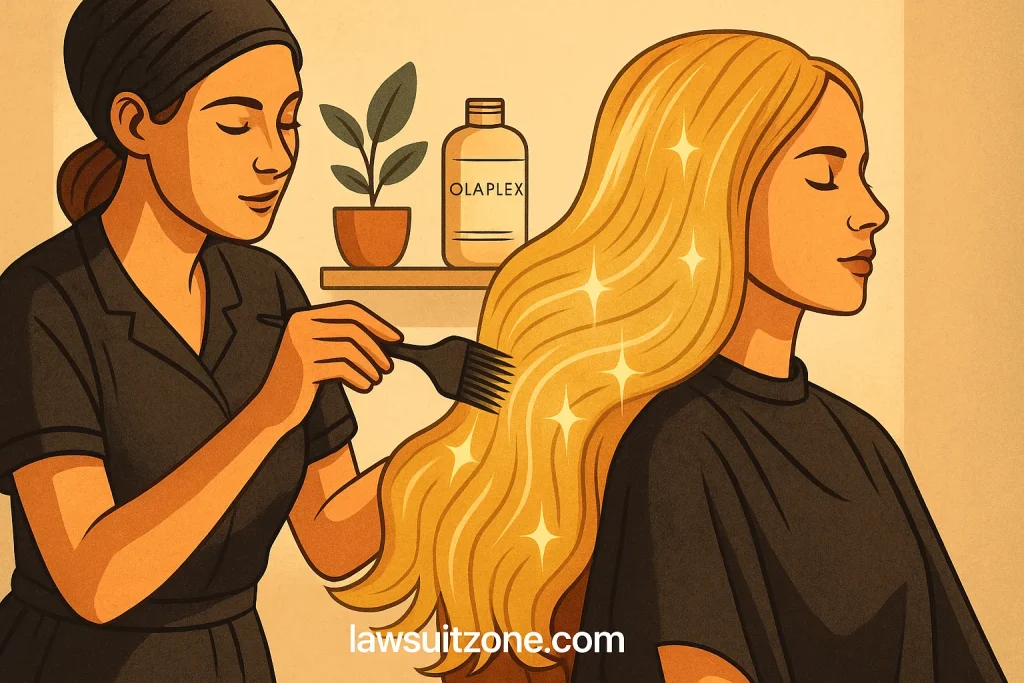
Olaplex was not simply another hair-care company. It presented itself as a science-driven revolution. Launching in 2014, its patented formula offered to fix damaged bonds within hair shafts and thus became a go-to for those who bleach, color, or heat-style frequently.
Olaplex was a billion-dollar business by 2021, listed publicly on Wall Street, and a standard in the back bars of salons worldwide. Yet the same publicity that led to its success exposed it to vicious criticism.
Why Beauty Lawsuits Aren’t Rare
To make sense of the Olaplex lawsuit, it’s helpful to understand why beauty companies tend to get sued. The cosmetic industry is competitive, high-speed, and marketing-driven. But unlike pharmaceuticals, cosmetics are not necessarily subject to the same stringent safety testing.
That omission creates space for:
- Hyperbolic claims in ads
- Hidden side effects
- Injuries to consumers that trigger class action
The Olaplex lawsuit is a familiar but serious example.
How the Olaplex Lawsuit Began
The first wave of complaints was filed by women who claimed Olaplex products led to hair loss, scalp irritation, and breakage. The suits quickly turned into lawsuits, which were consolidated into class actions throughout the U.S.
Plaintiffs often presented before-and-after images of hair that transformed from healthy, thick hair to thin, brittle, or patchy. For them, the letdown wasn’t merely physical—it was emotional. Hair is closely linked with identity and confidence.
Key Allegations in the Olaplex Lawsuit
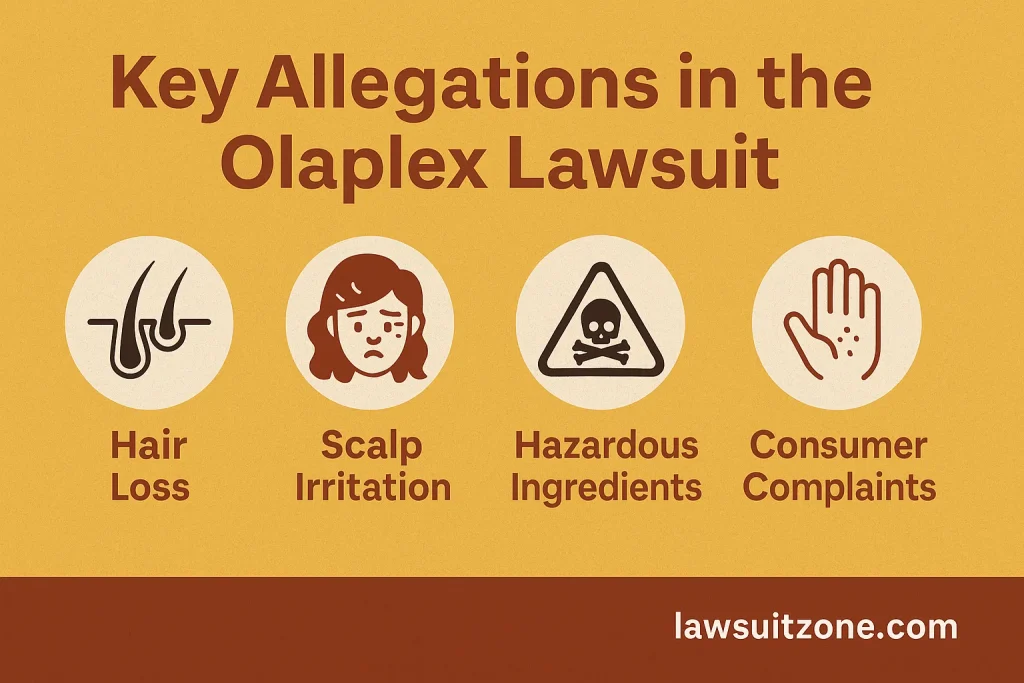
The lawsuits center on a few key issues:
1. Hazardous Ingredients
Consumers contend Olaplex products could have chemicals associated with causing irritation or weakening hair.
2. Deceptive Marketing
Olaplex’s “safe for all” image is being contested, with allegations the firm overpromised safety assurances.
3. Inadequate Warnings
Plaintiffs indicate they were never adequately warned of hazards, leaving them exposed.
4. Damage Outside Hair
Plenty of consumers complain of financial burden from medical appointments, wigs, or repair treatments.
What Olaplex States in Its Defense
Olaplex has rebutted forcefully against these allegations. The company maintains:
- Its formulas meet U.S. and EU cosmetic directives
- Independent laboratory testing assures safety as directed
- It has eliminated or reworked any suspect ingredients
Olaplex points out that millions of consumers still use their products without problems. Nevertheless, the Olaplex lawsuit keeps consumer confidence tenuous.
The Human Side: Stories From Consumers
The strongest argument of the Olaplex lawsuit is from individual experiences:
- A Texas single mother explained how chunks of her hair started falling out, causing bald spots
- A California teacher reported scalp burning so bad that she had to visit a dermatologist
- A New Jersey bride-to-be explained that her hair thinned out weeks before her wedding, requiring her to wear extensions
These are not mere legal grievances—they’re tales of lost trust, unforeseen costs, and distress.
Learning Class Action Lawsuits
Olaplex is a class action lawsuit for the most part, which is when a group of individuals share similar grievances against the business.
The procedure typically occurs in stages:
- Certification – Courts determine whether the group claim holds water
- Discovery – Attorneys collect and share evidence
- Settlement Negotiations – Most cases are settled here to prevent lengthy trials
- Trial (if required) – If settlement is not achieved, the case goes to trial
Class actions are strong for consumers. They enable people with lesser damages to join together to make a difference.
Consumer Impact

The Olaplex lawsuit has left consumers on edge. Most users are questioning: Should I continue using these products?
While liability is determined by courts, consumers are balancing their own well-being. Dermatologists advise patch testing, checking ingredients, and monitoring how your scalp and hair react.
For the directly impacted, the suit may yield:
- Refunds for purchases of Olaplex
- Coverage of medical costs
- Compensation for emotional distress
The Ripple Effect on the Beauty Industry
The beauty industry follows cases like this closely. If penalties are imposed on Olaplex, other businesses might react with:
- More open ingredient labels
- Stricter product testing prior to launches
- Conservative advertising that does not make absolute claims
The Olaplex lawsuit may create new standards for truth in beauty advertising.
Lessons for Consumers
What can consumers on a day-to-day basis learn?
- Don’t believe “miracle” advertising
- Read labels—particularly for allergens or harsh chemicals
- Monitor your hair’s well-being when experimenting with new products
- Understand your rights—there are legal remedies if products injure you
For accurate information on cosmetic safety, go to the U.S. Food & Drug Administration (FDA), which offers news on ingredients, recalls, and safety notices.
Compared to Other Beauty Lawsuits
The Olaplex lawsuit comes on the heels of a string of high-profile beauty lawsuits:
- WEN Haircare was sued after consumers reported severe hair loss
- Johnson & Johnson resolved thousands of lawsuits regarding talc powder safety
- Proactiv handled complaints of severe skin reactions
Each suit redefined its brand’s image and advocated for consumer rights.
Possible Results of the Olaplex Lawsuit
Legal analysts project the case to have several possible endings:
- Settlement Deals – Compensation without a complete trial
- Reformulation – Products changed to exclude contentious ingredients
- Label Changes – Greater warnings to be put on packaging
- Reputation Damage – Even if there are no losses in court, consumer confidence might suffer
FAQs Regarding the Olaplex Lawsuit
Final Thoughts
The Olaplex lawsuit is not just a legal fight—it’s a beauty cultural moment. It makes consumers wonder how much they rely on marketing, and it pushes companies to demonstrate that their products are not only effective, but also safe.
Regardless of whether the case resolves in settlements, increased regulation, or long-term reputational loss, it leaves one enduring lesson: beauty is potent, but consumer safety comes first.