Why Getting a Second Medical Opinion After a Serious Injury Could Change the Entire Value of Your Claim
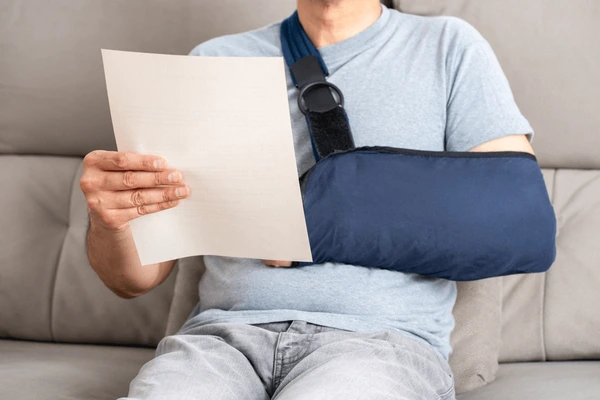
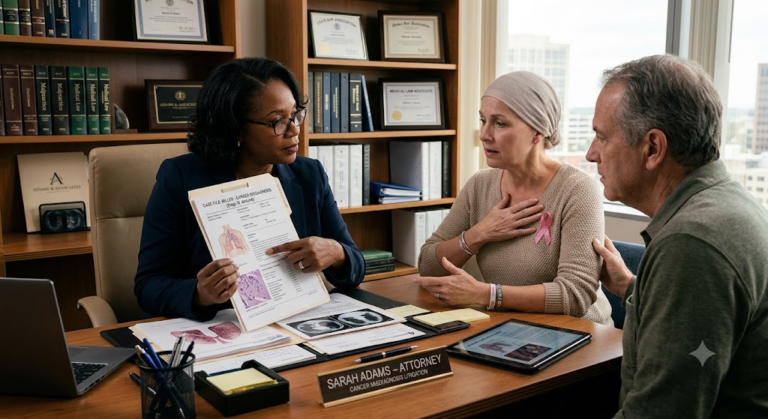
A serious injury can change your life in an instant, leaving you to deal with medical appointments, financial stress, and an uncertain future. While getting immediate treatment is essential, it is just as important to make sure your diagnosis accurately reflects the full extent of your injuries. Speaking with a family compensation lawyer can also help you understand how medical evidence may affect your legal options. In some cases, a second medical opinion reveals conditions or long-term complications that were not identified during the initial evaluation. Knowing all the facts about your health can make a meaningful difference in both your recovery and any claim you decide to pursue.
Why a Second Medical Opinion Matters After a Serious Injury
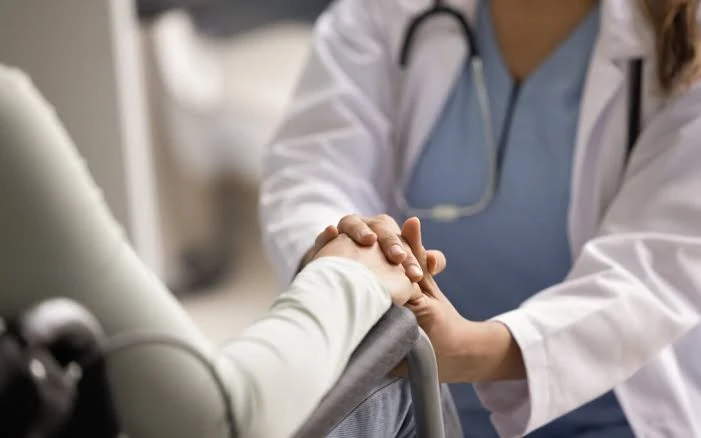
A second medical opinion can provide a fresh evaluation of your injuries and confirm whether your initial diagnosis is complete. Another doctor may identify additional concerns, recommend different treatment options, or better explain how your injuries could affect your daily life. Having a clearer understanding of your condition can help you make informed decisions about both your recovery and your claim.
Situations Where a Second Medical Opinion Can Make a Difference
There are many situations where seeking a second medical opinion can be worthwhile, especially if your symptoms are not improving or your diagnosis does not seem to match what you are experiencing. It can also help when a major procedure has been recommended or when different healthcare providers offer conflicting opinions. A more thorough evaluation may provide greater clarity about your injuries and the treatment you need moving forward.
How Additional Medical Findings Can Affect Your Claim
Additional medical findings can provide a more complete picture of your injuries and their long-term impact. This information may strengthen the evidence supporting your claim by documenting the care, treatment, and future needs related to the accident. More detailed medical records can also help demonstrate how the injury has affected your ability to work and enjoy daily life.
Common Injuries That Are Sometimes Misdiagnosed
Many serious injuries are not immediately obvious after an accident, and some may be mistaken for less severe conditions during an initial evaluation. Understanding which injuries are commonly misdiagnosed can help you recognize when it may be worth seeking another medical opinion.
Traumatic Brain Injuries
Mild traumatic brain injuries and concussions can sometimes be missed because the symptoms, like headaches, dizziness, memory problems, or difficulty concentrating, may not show up immediately. A detailed assessment or review can help uncover any cognitive problems that might go without the necessary treatment.
Spinal Cord and Back Injuries
Back pain is often dismissed as a simple muscle strain, even when there is damage to the spine, discs, or surrounding nerves. Advanced imaging and a specialist’s assessment may reveal injuries that require more extensive treatment.
Soft Tissue Injuries
Damage to muscles, tendons, and ligaments may not always show up on standard imaging tests, making these injuries easier to underestimate. Without proper diagnosis and treatment, soft tissue injuries can lead to ongoing pain and reduced mobility.
Internal Injuries
Internal bleeding or organ damage may not produce immediate symptoms, especially in the hours following an accident. Prompt follow-up care can help detect these injuries before they become life-threatening.
Nerve Damage
Tingling, numbness, weakness, or burning sensations may point to nerve injuries that are not always identified during an initial examination. An accurate diagnosis can help guide treatment and document the full extent of the injury.
Psychological Trauma Following a Serious Accident
Emotional injuries such as anxiety, depression, or post-traumatic stress can have a significant impact on daily life, even if they are not immediately recognized. Receiving an appropriate mental health evaluation can ensure these challenges are properly addressed as part of the overall recovery process.
Medical Records Play a Bigger Role Than Many People Realize
Medical records do much more than document your treatment because they also provide important evidence about the extent of your injuries. Detailed and consistent records can help show how the accident affected your health, recovery, and daily activities over time. Keeping copies of test results, diagnoses, and follow-up visits can make it easier to support your claim.
Insurance Companies May View Claims Differently with Stronger Medical Evidence
Insurance companies often rely on medical records when evaluating the severity of an injury and the value of a claim. Comprehensive medical evidence can provide a clearer picture of your condition, treatment needs, and long-term recovery. While every case is different, stronger documentation may help support a more accurate assessment of your claim.
Conclusion
Recovering from a serious injury is challenging, but taking the time to fully understand your medical condition can make an important difference in both your health and your claim. If you have concerns about your diagnosis or believe your injuries have not been fully evaluated, seeking another medical opinion may provide valuable clarity. Speaking with a family compensation lawyer can also help you understand how strong medical evidence may support your pursuit of fair compensation.