What To Do After an Amputation Injury in San Diego
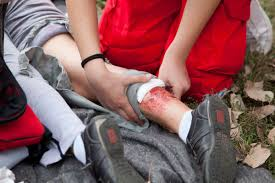
The aftermath of an amputation injury creates a cascade of urgent decisions that most people never anticipate making. Within hours of a life-altering incident, victims and their families find themselves navigating complex medical protocols, insurance communications, and legal deadlines — all while processing the emotional trauma of limb loss. In San Diego’s fast-paced legal environment, where personal injury cases compete for limited court resources and insurance companies deploy sophisticated claim management strategies, the steps taken in the first days and weeks often determine the trajectory of both recovery and compensation.
This reality becomes particularly acute in California, where strict statutes of limitations and evolving case law around amputation injuries create narrow windows for preserving legal rights. The decisions made during this critical period — from medical documentation choices to early conversations with insurance adjusters — ripple through every aspect of the legal process that follows. Understanding what actions to prioritize, what pitfalls to avoid, and consulting a personal injury lawyer for amputations can make the difference between a claim that adequately addresses long-term needs and one that falls dramatically short.
Why Acting Quickly Matters After an Amputation Injury in San Diego
Time operates differently in the world of amputation injury claims, where each passing day can strengthen or weaken a case in ways that aren’t immediately obvious. California’s two-year statute of limitations for personal injury claims might seem generous, but the practical deadline for building a strong amputation case is much shorter. Critical evidence begins degrading within hours — accident scenes get cleaned up, witness memories fade, and surveillance footage gets overwritten on routine schedules.
The medical documentation period immediately following the injury creates the foundation for all future legal arguments about causation and damages. Emergency room records, surgical notes, and early rehabilitation assessments become the baseline against which all future medical opinions are measured. When these records are incomplete or lack crucial details about the circumstances surrounding the amputation, reconstructing the full picture months later becomes significantly more challenging.
San Diego’s competitive insurance landscape adds another layer of urgency. Major insurers operating in the region have refined their early intervention strategies, often contacting amputation victims within 24-48 hours of an incident. These initial conversations, while presented as routine claim processing, frequently include questions designed to elicit statements that can later limit compensation options. Understanding that anything said during these early interactions becomes part of the permanent record helps explain why many experienced practitioners recommend avoiding detailed discussions until legal counsel is involved.
The rehabilitation process itself creates time-sensitive legal considerations. Early decisions about prosthetic devices, adaptive equipment, and therapy protocols directly impact future damage calculations. When these choices are made without understanding their legal implications — such as how insurance coverage limitations might affect long-term care options — they can inadvertently constrain the scope of recoverable damages.
Common Causes and Types of Amputation Injuries in San Diego
Amputation injuries in San Diego fall into two distinct legal categories that require fundamentally different approaches to claims and compensation. Traumatic amputations occur during the initial incident — workplace accidents involving heavy machinery, vehicle crashes, or construction site injuries where the limb is severed at the scene. These cases typically involve clearer causation chains and more straightforward liability determinations, though the immediate medical trauma often complicates early evidence preservation.
Surgical amputations present more complex legal scenarios. These occur when an initial injury — perhaps a severe crush injury from a construction accident or complications from a vehicle collision — leads to infections, compartment syndrome, or vascular damage that ultimately necessitates limb removal. The legal challenge becomes proving that the original incident, rather than intervening medical decisions or complications, directly caused the need for amputation.
San Diego’s industrial landscape generates specific patterns of amputation injuries. The region’s active construction industry, maritime operations around the port, and manufacturing facilities create environments where heavy machinery accidents remain a leading cause. Workplace amputations often involve workers’ compensation claims that can limit direct litigation options, though third-party liability claims against equipment manufacturers or subcontractors frequently remain viable.
Vehicle accidents represent another significant category, particularly involving motorcyclists on San Diego’s extensive freeway system. These cases often feature challenging liability determinations when multiple vehicles are involved, and the severity of impact forces required to cause amputation injuries can complicate insurance coverage discussions.
Medical negligence cases resulting in amputation present unique evidentiary challenges. When surgical complications, misdiagnosed infections, or delayed treatment lead to limb loss, establishing the standard of care and proving deviations from accepted medical practices requires extensive expert testimony. For individuals who may already be facing complex medical situations, seeking guidance from a personal injury lawyer for amputations becomes essential for navigating both the immediate medical decisions and long-term legal implications.
How to Navigate the Amputation Injury Claim Process
The amputation injury claim process in San Diego begins long before any formal lawsuit is filed, with critical decisions made during the initial notification and investigation phase. Most cases start with a claim filed against the at-fault party’s insurance company, triggering a comprehensive investigation that examines everything from accident scene evidence to the victim’s complete medical history. This investigation period, typically lasting 30-90 days, often determines whether a case will settle reasonably or require litigation to achieve fair compensation.
Insurance companies approach amputation claims differently than other personal injury cases due to the typically higher damage amounts involved. They frequently assign specialized adjusters trained specifically in catastrophic injury claims, who understand the long-term cost implications of limb loss. These adjusters often request independent medical examinations, vocational assessments, and life care planning evaluations to challenge damage calculations presented by the victim’s side.
When insurance negotiations fail to produce adequate offers, filing a lawsuit becomes necessary. California’s civil litigation process for amputation cases involves extensive discovery phases where both sides exchange medical records, expert opinions, and damage calculations. The complexity of proving future medical needs, lost earning capacity, and non-economic damages like pain and suffering requires coordinated efforts between legal teams, medical experts, and vocational specialists.
Settlement negotiations in amputation cases often occur in stages, with initial offers typically far below fair compensation ranges. The negotiation process can extend for months as both sides refine their damage calculations based on evolving medical understanding of the victim’s long-term prognosis and adaptation needs.
Gathering and Preparing Crucial Evidence
Evidence preservation in amputation cases requires immediate action across multiple fronts. Medical documentation forms the backbone of any successful claim, starting with emergency room records that establish the initial injury mechanism and immediate medical response. These records must clearly document the circumstances leading to the amputation, any contributing factors, and the medical decision-making process involved.
Accident scene evidence deteriorates rapidly, making prompt investigation essential. This includes photographs of the scene, equipment involved, safety protocol documentation, and witness statements gathered while memories remain fresh. In workplace accidents, OSHA reports and internal company incident reports become crucial evidence, though obtaining these documents often requires formal legal processes.
Economic documentation begins accumulating from day one and continues throughout recovery. Medical bills, rehabilitation costs, prosthetic expenses, and lost income records create the foundation for calculating economic damages. However, the most significant economic impacts — future medical needs, ongoing prosthetic maintenance, and lifetime earning capacity reductions — require expert analysis to establish.
Personal documentation, including pre-injury lifestyle evidence and post-injury adaptation challenges, helps establish non-economic damage claims. Photos, videos, and testimonials from family members about daily life changes provide powerful evidence of the injury’s broader impact beyond immediate medical costs.
The Role of Expert Witnesses in Supporting Claims
Expert witnesses in amputation cases serve multiple crucial functions that often determine case outcomes. Medical experts provide opinions on causation, establish the standard of care in surgical amputation cases, and project future medical needs. These experts must be carefully selected based on their specific expertise with amputation injuries and their ability to communicate complex medical concepts to judges and juries.
Vocational experts analyze how amputation affects earning capacity, considering not just immediate job limitations but long-term career trajectory impacts. They evaluate accommodation possibilities, retraining options, and realistic employment prospects based on the specific amputation level and the victim’s pre-injury skills and education.
Life care planning experts develop comprehensive projections of lifetime care needs, including prosthetic replacements, ongoing therapy requirements, home modifications, and attendant care needs. Their testimony often represents the largest component of damage calculations and requires extensive coordination with treating physicians and rehabilitation specialists.
Economic experts translate these projections into present-value calculations that account for inflation, interest rates, and life expectancy factors. Their analysis helps establish the total compensation needed to address all future needs resulting from the amputation injury.
Legal Challenges and How They Affect Compensation Outcomes
Liability determination in amputation cases often involves complex analysis of multiple contributing factors. In workplace accidents, establishing third-party liability beyond workers’ compensation becomes crucial for obtaining adequate compensation. Equipment manufacturers, property owners, or subcontractors may bear responsibility even when the primary employer is protected by workers’ compensation immunity.
Comparative negligence issues frequently arise in amputation cases, particularly in vehicle accidents or industrial incidents where victim conduct might have contributed to the injury. California’s pure comparative negligence system means that even significant victim fault doesn’t eliminate recovery options, but it does reduce compensation proportionally. This creates strategic considerations about whether to emphasize safety protocol adherence or focus on the severity of the defendant’s conduct.
Insurance coverage complications significantly impact case outcomes. When amputation damages exceed available insurance limits, pursuing additional coverage sources or asset recovery becomes necessary. Underinsured motorist coverage, umbrella policies, or corporate insurance layers may provide additional recovery options, though accessing these sources often requires complex litigation strategies.
Damage calculations in amputation cases involve sophisticated projections that opposing parties frequently challenge. Future medical costs, particularly prosthetic replacement schedules and ongoing therapy needs, vary significantly based on age, activity level, and technology advances. Life expectancy calculations affect total damage amounts, while discount rates for present value calculations can dramatically impact settlement amounts.
Non-economic damages like pain and suffering become particularly complex in amputation cases where adaptation levels vary greatly between individuals. Some victims achieve remarkable adaptation while others struggle with ongoing psychological and physical challenges. Establishing appropriate compensation for these intangible losses requires careful presentation of both the universal impacts of limb loss and the specific challenges faced by each individual victim.
Rights and Resources for Amputation Injury Victims in San Diego
Amputation injury victims in San Diego possess specific legal rights that extend beyond standard personal injury protections. The Americans with Disabilities Act creates additional claims when workplace or public accommodation failures contribute to accidents or complicate recovery. Understanding these rights early in the process helps ensure that all potential legal theories are preserved and investigated appropriately.
Rehabilitation coordination represents both a practical necessity and a legal consideration. Comprehensive rehabilitation programs document adaptation progress, establish ongoing care needs, and provide evidence of the injury’s long-term impact. However, insurance-funded rehabilitation programs may have limitations that conflict with optimal legal outcomes, creating the need for careful coordination between medical and legal teams.
San Diego’s medical infrastructure includes specialized amputation rehabilitation centers and prosthetic providers whose records become crucial evidence in legal proceedings. Establishing relationships with providers who understand legal documentation requirements helps ensure that treatment records support rather than complicate legal claims.
Victim support services in San Diego range from peer counseling through organizations like the Challenged Athletes Foundation to vocational rehabilitation programs that help with career transitions. While these services provide valuable support, participation decisions should consider their potential impact on legal claims, particularly regarding damage calculations and adaptation assessments.
Legal representation selection for amputation cases requires specific expertise beyond general personal injury experience. The complexity of medical evidence, the sophisticated damage calculations involved, and the extended timeline of these cases demand legal teams with specialized knowledge and resources. The stakes involved — often representing lifetime financial security — justify careful evaluation of legal representation options based on specific amputation injury experience rather than general personal injury credentials.
The path forward after an amputation injury unfolds across years, not months, with legal decisions made today shaping recovery possibilities for decades to come. Success requires viewing immediate medical needs and long-term legal strategy as interconnected elements of a single recovery process, where coordination between medical providers, rehabilitation specialists, and legal advocates creates the foundation for comprehensive outcomes that address not just current challenges but future opportunities for adaptation and growth.