Why Is Native Shampoo Making My Hair Fall Out?
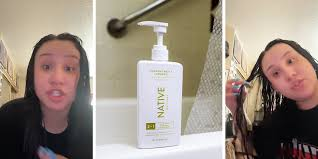
If you recently switched to Native shampoo and started noticing increased hair shedding, scalp irritation, or thinning, you’re not alone. Many users online have reported similar concerns, leading to confusion, fear, and even legal discussions around product safety. While hair fall can have many causes, certain ingredients, scalp reactions, and usage patterns may explain why Native shampoo seems to be triggering hair loss for some people.
In fact, growing consumer complaints and discussions have even sparked attention around the native shampoo lawsuit, which has further raised awareness and concern among users experiencing unexpected hair problems. That said, it’s important to understand that not everyone reacts the same way to hair care products, and hair loss is often multifactorial.
This article explains the possible reasons Native shampoo may be causing hair fall, how ingredients interact with your scalp, who is most at risk, and what you can do next if you’re experiencing shedding.
1. Sudden Product Change Can Trigger Temporary Hair Shedding
One of the most common reasons people notice hair fall after switching shampoos is telogen effluvium, a temporary shedding phase triggered by stress or sudden changes. You can get complete details on lawsuitio.
When you switch from a conventional shampoo to Native’s sulfate-free formula, your scalp may react to the new cleansing agents. This can cause hair follicles to prematurely enter the shedding phase, leading to noticeable hair fall for several weeks.
Key signs this may be the cause:
- Hair shedding increases 2–6 weeks after switching shampoos
- No bald patches, just overall thinning
- Hair fall slows down after consistent use or stopping the product
This type of hair loss is usually reversible, but alarming while it lasts.
2. Essential Oils May Irritate Sensitive Scalps
Native shampoos often contain essential oils and fragrance blends, marketed as natural and gentle. However, “natural” does not always mean irritation-free.
For people with sensitive skin, essential oils can cause:
- Scalp inflammation
- Itching or burning sensations
- Disruption of the scalp’s protective barrier
When the scalp becomes inflamed, hair follicles weaken, which can result in increased breakage and shedding.
Common irritation symptoms include:
- Redness or soreness on the scalp
- Dandruff-like flakes that weren’t present before
- Hair fall accompanied by itching
3. Coconut-Derived Cleansers Can Be Too Harsh for Some Hair Types
Native uses coconut-based surfactants instead of traditional sulfates. While generally milder, these cleansers can still be too stripping for certain scalps, especially if used frequently.
Over-cleansing can:
- Remove natural scalp oils
- Dry out hair shafts
- Make hair more prone to breakage
This often looks like “hair falling out,” but is actually breakage close to the scalp or along the length of the hair.
4. Fragrance Sensitivity and Allergic Reactions
Fragrance is one of the most common causes of cosmetic-related scalp reactions. Even if you’ve never had issues before, repeated exposure can lead to contact dermatitis.
An allergic scalp reaction may cause:
- Excessive shedding during washing
- Scalp tightness or swelling
- Tender spots where hair feels loose
In these cases, stopping the shampoo usually leads to gradual recovery, but continued use can worsen hair fall.
5. Product Buildup Can Clog Hair Follicles
Because Native shampoos are sulfate-free and moisturizing, they may not fully cleanse heavy oils, conditioners, or styling products.
Buildup on the scalp can:
- Block follicles
- Disrupt healthy hair growth cycles
- Cause hair to shed more easily
This is more common in people with:
- Fine or low-porosity hair
- Oily scalps
- Infrequent washing routines
6. Pre-Existing Hair or Scalp Conditions
Sometimes the shampoo isn’t the root cause but acts as a trigger for an existing issue, such as:
- Androgenetic alopecia
- Hormonal hair loss
- Seborrheic dermatitis
- Stress-related shedding
A new shampoo can make underlying problems more noticeable, especially if the scalp barrier is already compromised. For those seeking immediate fullness while managing these delicate changes, nano hair extensions offer a brilliant and non-damaging solution to restore confidence and volume without putting stress on fragile strands.
What To Do If Native Shampoo Is Causing Hair Fall
If you suspect Native shampoo is contributing to your hair loss, take these steps:
- Stop using the shampoo immediately and switch to a fragrance-free, dermatologist-recommended option
- Track shedding for 4–6 weeks to see if hair fall slows down
- Avoid scratching or over-washing, which can worsen shedding
- Use a gentle clarifying shampoo once if buildup is suspected
- Consult a dermatologist if shedding continues or bald patches appear
Is the Hair Loss Permanent?
In most cases, hair loss linked to shampoo use is temporary and reversible once the product is discontinued. Permanent hair loss is rare unless there is an untreated medical or genetic condition involved.
However, ongoing scalp irritation should never be ignored, as chronic inflammation can affect long-term hair health.
Final Thoughts
While Native shampoo works well for many users, it may not suit everyone. Hair fall after using it can stem from scalp sensitivity, ingredient reactions, buildup, or sudden formula changes. If you’re experiencing unusual shedding, listening to your scalp and acting early is key.