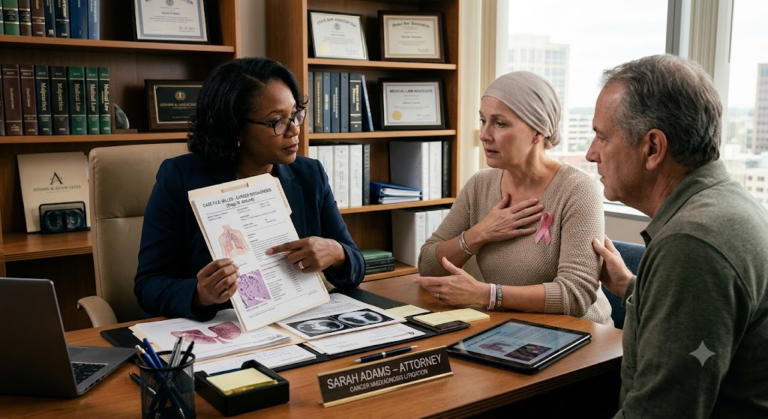
Patient Safety After a Medical Error in Perth Amboy, New Jersey: Records, Questions, and Next Steps

Post Preview
Key Takeaways
- Put urgent health needs before paperwork, complaints, or legal decisions.
- Request complete records from every doctor, hospital, pharmacy, laboratory, and facility involved.
- Create a dated timeline while events, symptoms, and conversations are still fresh.
- Preserve bills, messages, photographs, work records, and other evidence of how the event affected daily life.
- Do not assume every poor outcome proves negligence. A complication, error, and legal claim are not the same thing.
- New Jersey deadlines and notice requirements can depend on the facts, the patient, and the type of facility involved.
When a person in Perth Amboy suspects a medical error, the immediate priority is safety. Whether the concern arose after an emergency-room visit, surgery, prescription change, childbirth, diagnostic test, or hospital discharge, worsening symptoms deserve prompt attention. Once the patient is medically stable, organized records and informed questions can make it easier to understand what happened and to consider options, including advocacy for serious injury claims when the consequences may be significant.
Perth Amboy residents may receive care locally, elsewhere in Middlesex County, or across the broader New Jersey and New York metropolitan area. That can mean records are spread across multiple offices and health systems. Acting early does not mean accusing anyone of wrongdoing. It means protecting health, preserving facts, and avoiding the loss of important details.
Why Early Action Matters After a Suspected Medical Error
Follow-up care can identify complications, prevent further harm, and document the patient’s current condition. Delays can also make it harder to recall when symptoms began, identify who gave instructions, or locate messages and records. A careful record of events does not prove negligence, but it can preserve information that may later matter to a treating clinician, insurer, medical reviewer, or attorney.
Early organization can also reduce confusion when several providers are involved. Keep the names, locations, and contact information for each office or facility in one place, along with appointment dates and the names of clinicians who participated in care. This basic information may help ensure that no important source of records or follow-up treatment is overlooked.
Step One: Get a Fresh Medical Evaluation
Seek urgent medical attention for severe or worsening pain, trouble breathing, heavy bleeding, fainting, confusion, fever, sudden weakness, new numbness, or other serious warning signs. In an emergency, call 911 or go to an emergency department. For less immediate concerns, a primary-care provider, specialist, urgent-care clinician, or another qualified provider may be able to offer an independent evaluation.
Bring discharge instructions, medication bottles, test results, and a short list of symptoms to the visit. Ask the clinician to review the prior treatment, recent medication changes, and any pending tests. Do not stop or alter prescribed medication without professional guidance unless emergency personnel tell you otherwise.
When possible, explain the concern in a clear, chronological way: what treatment was provided, when new symptoms began, and what has changed since then. Asking the provider to document current symptoms, findings, and recommended next steps may also create a useful clinical record while the condition is being evaluated.
Step Two: Request the Complete Medical File
A discharge summary rarely tells the whole story. Ask for records from each provider and facility, including physician and nursing notes, emergency records, operative and anesthesia reports, medication-administration records, laboratory and imaging results, pathology reports, consent forms, referrals, transfer documents, telephone notes, portal messages, and follow-up instructions.
Request electronic copies when available and keep them in a secure digital folder with a backup. Patients generally have important rights to access their health information, and the federal guidance on accessing medical records explains the basic framework for requesting it. If a record appears incomplete, ask the facility what additional departments, providers, or vendors may hold responsive information. In some circumstances, audit-trail information may also be relevant, but it is best requested thoughtfully and in writing.
Keep copies of each request, including the date submitted and any response received. If a facility provides records in several batches, label them by source and date rather than combining everything immediately. Maintaining the original files can make it easier to determine what was received and whether additional documents should be requested.
Step Three: Build a Clear Timeline
Create a chronology using direct observations rather than assumptions. Include:
- The date and time the symptoms began or changed.
- What the patient reported and to whom.
- Tests ordered, completed, and discussed.
- Medication, treatment, discharge, referral, or transfer decisions.
- Instructions received and any follow-up appointments.
- Later symptoms, treatment, and the current condition.
If a detail is uncertain, label it as uncertain. A timeline is most useful when it distinguishes what someone personally saw, heard, or experienced from what they believe may have happened.
Use calendars, phone logs, prescription histories, parking receipts, and appointment reminders to confirm dates where possible. If family members observed different parts of the event, their separate notes may help fill gaps without replacing the patient’s own account of symptoms and communications.
Step Four: Preserve Evidence Beyond Medical Records
Medical records may not fully show how an injury changed a person’s life. Save dated photographs of visible complications, prescription labels, pharmacy receipts, transportation costs, invoices for equipment or home help, pay stubs, work restrictions, and insurance correspondence. Keep a simple daily log of pain, sleep, mobility, missed activities, and caregiving needs. Consistent notes are often more useful than dramatic descriptions made long after the event.
Also, preserve original texts, emails, portal messages, letters, and voicemail details. Write down the date, the speaker, and the topic after important phone calls. Do not edit, delete, or alter material simply because it seems unfavorable or confusing.
For digital photographs and messages, preserve the original files whenever possible rather than relying only on screenshots or rewritten summaries. If an item is shared with an insurer, provider, or adviser, retain a copy of exactly what was sent and note the date it was shared.
Questions to Ask the Healthcare Team
A follow-up visit is an opportunity to obtain practical answers. Consider asking:
- What is the current diagnosis, and what caused the new symptoms?
- What testing or treatment is needed now?
- Could earlier treatment, medication, or delayed follow-up have contributed?
- Which warning signs require immediate care?
- What limits apply to work, driving, exercise, or routine activities?
- When should the patient return, and can the instructions be provided in writing?
Bring a trusted relative or friend when possible. They can take notes, help ask follow-up questions, and remember instructions during a stressful appointment.
Medical Error, Complication, or Negligence?
These terms should not be treated as interchangeable. A procedure or medication can involve a known risk even when care was appropriate. An error may occur but cause no lasting injury. A difficult outcome may happen despite careful treatment. A negligence claim generally requires evidence that care fell below an applicable professional standard, that the lapse caused harm, and that the patient suffered actual losses.
That analysis often requires a qualified medical review. Resources addressing patient safety and quality improvement also recognize that safety concerns can arise in hospitals, emergency departments, pharmacies, primary-care offices, and other settings. A formal review may clarify whether a delayed diagnosis, medication mix-up, missed result, surgical issue, or unsafe discharge reflects an avoidable problem or an expected complication.
Deadlines and Common Mistakes to Avoid
New Jersey rules can be fact-specific. Time limits may depend on when the injury occurred or was discovered, the patient’s age, the type of claim, and whether a public entity or public facility may be involved. Requesting records does not necessarily pause a filing deadline. Prompt qualified legal or medical guidance can be especially important after a serious injury or death.
Avoid delaying needed care, posting detailed accusations on social media, accepting a quick settlement before the condition is understood, or giving inconsistent dates because no timeline was created. Most importantly, do not assume that a bad outcome automatically proves negligence.
It is also wise to avoid relying on memory alone when discussing dates, symptoms, or conversations. Review available records and notes before making important decisions, and ask for clarification when medical terminology or instructions are unclear. Accuracy and restraint help preserve credibility while the facts are still being evaluated.
Frequently Asked Questions
Should records be requested before seeking follow-up care?
No. Seek appropriate medical care first. Records can be requested as soon as practical afterward.
Can medical records alone prove negligence?
They can be important evidence, but records often require expert interpretation to address the standard of care, causation, and the harm that followed.
What if the provider says the outcome was a known risk?
A known risk may be a valid explanation. The facts may still require review of the warnings provided, precautions taken, follow-up care, and the patient’s actual condition.
Conclusion
After a suspected medical error in Perth Amboy, staying calm and organized helps protect both your health and the information you may later need. Start by getting appropriate medical care, since your wellbeing comes first. Then request your complete records, including test results, medication lists, and discharge instructions. Write down events as they happened, noting dates, times, and the names of staff involved. Preserve supporting materials such as photographs, bills, prescriptions, and messages. Finally, ask clear, direct questions about what occurred and why. Together, these steps can help distinguish an expected complication from a preventable problem and guide a more informed decision about your next move.