Injured in California but Don’t Speak English? Here’s What to Know About Your Legal Rights
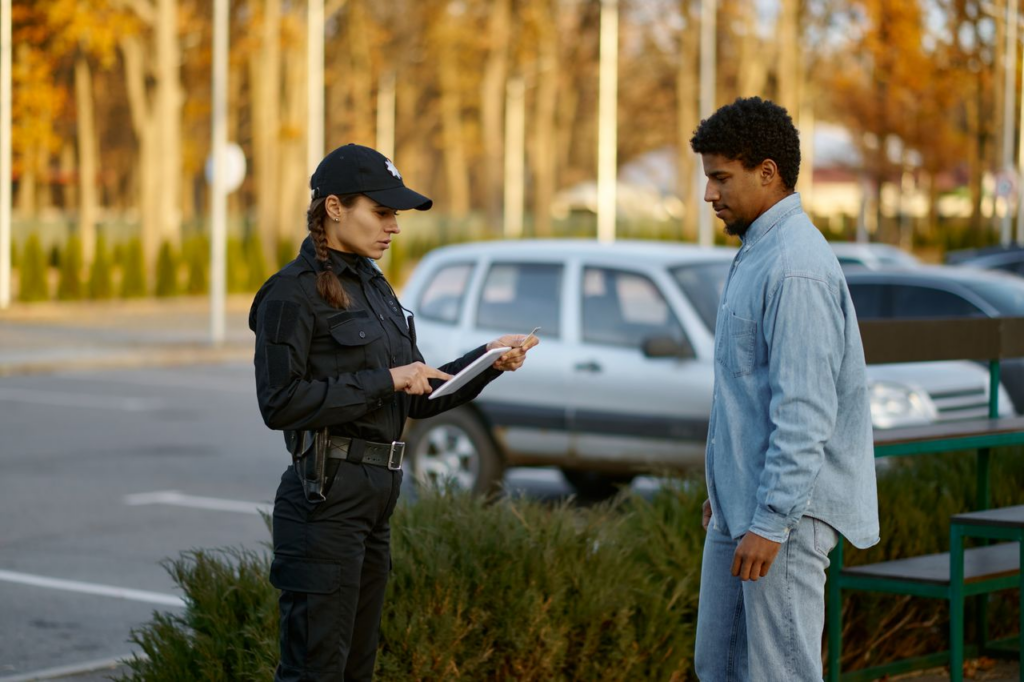
Getting hurt in an accident is stressful enough. When there’s also a language barrier, the whole process can feel even more overwhelming, from talking to police at the scene to dealing with doctors, insurance adjusters, and paperwork that’s only offered in English. Some people even hesitate to report an accident or seek medical help at all, worried that not speaking fluent English will complicate things or that they won’t be taken seriously.
The good news is that language does not limit a person’s legal rights in California, or their ability to work with a qualified personal injury lawyer in California, also known as an abogado de lesiones personales en California.
State law includes specific protections to ensure a language gap doesn’t become a barrier to justice. Here’s what matters most, and where a bilingual legal team fits into the picture.
The Right to an Interpreter Is Part of California Law
California law requires interpreters in a wide range of legal and medical settings. Hospitals that receive state or federal funding are generally required to provide interpretation services free of charge, and courts are required to provide certified interpreters for anyone who needs one.
These rights extend to:
- Emergency rooms and hospital visits
- Police interviews and reports
- Court hearings and depositions
- Meetings related to a legal claim
Ask for an interpreter directly. Don’t wait for one to be offered, since not every front-line staff member knows the policy or has one on hand. If a facility refuses or is finding ways to avoid this support, ask for a supervisor or request phone interpretation, which most hospitals and clinics can provide quickly through a language line.
Police reports matter just as much. A responding officer’s summary often becomes key evidence, so it’s worth checking that the report reflects what was actually said, not just a rough guess.
Immigration Status Doesn’t Decide the Right to File
One of the most common fears among injured immigrants is that filing a personal injury claim could somehow leave them vulnerable or impact their immigration status. Under California law, the right to seek compensation for a life-changing injury applies regardless of immigration status. Courts in California have consistently allowed injury claims to move forward without requiring proof of legal residency, and defense attorneys are generally barred from using immigration status as a way to intimidate a plaintiff during a case.
This applies to a wide range of situations, including car accidents, workplace injuries, and slip and fall cases. The accident itself, not a person’s paperwork, is what determines whether a claim is valid.
When a Language Barrier Leads to Mistakes in a Police Report
Insurance companies are for-profit businesses, and some insurance adjusters may take advantage of a language gap to rush through a conversation, gloss over important details, or get a recorded statement before the injured person fully understands what’s being asked. A misunderstood question can turn into a comment that is later used against a claim, even when there was no intent to say anything harmful.
Some of the most common issues that come up include:
- Medical terms getting lost in translation, leading to inaccurate records.
- Settlement terms being explained too quickly or without a proper interpreter.
- Recorded statements taken without confirming the person fully understood the question.
Because of this, it helps to take on the process carefully, ask for everything in writing when possible, and request a qualified interpreter rather than relying on a bilingual family member for anything involving legal or medical decisions.
It’s also reasonable to ask an adjuster to repeat or rephrase a question until there is no confusion, or to pause a call altogether until an interpreter is available. There’s no requirement to rush through any conversation just because the person on the other end is speaking quickly in English.
Why the Help from a Bilingual Relative Isn’t Enough
It’s common for someone to rely on a relative or friend who speaks English to help translate during a stressful moment. Although this is typically well-intended and can feel like the easiest way forward, it can create real problems:
- Mistranslation. Legal and medical language is often technical, and a small error, like confusing “pain” with “discomfort” or misreading or misunderstanding a legal term, can change the outcome of a claim.
- Lack of neutrality. Professional interpreters are trained to translate the injured person’s and witness’s exact words, not just the general idea. They also have no personal stake in the outcome other than doing the job they were paid to do. That type of neutrality is important, especially during recorded statements or medical checkups, where the exact wording is later picked apart.
- Emotional stress. Asking a child, spouse, or close relative to translate details about pain, injuries, or a frightening accident can also take an emotional toll on those close to the injured, especially in situations that are already stressful for the whole family. A neutral, professional interpreter takes that weight off the people closest to the situation.
What if a Language Barrier Leads to a Flawed Police Report
It’s fairly common for small details in a police or incident report to be misreported when there wasn’t a proper interpreter on scene. A description of how the accident happened, who said what, or even basic facts like the direction someone was walking or driving can get garbled in the process.
If a report seems inaccurate:
- Request a copy of the report as soon as it’s available and review it closely.
- Note any statements attributed incorrectly, especially anything that sounds like an admission of fault.
- Raise corrections early, since reports are much harder to amend the longer a case goes on.
Catching these errors early may prevent a small miscommunication from turning into a bigger problem down the line, particularly if the report is used by an insurance company to argue shared fault.
Why Gathering Evidence Matters More When There’s a Language Gap
Clear documentation matters in every injury case, but it becomes even more important when communication is harder.
A few habits can make a big difference:
- Ask for copies of every signed document, even in English, so they can be reviewed later.
- Take photos of the accident scene, injuries, and any property damage.
- Write down what happened in a native language soon after the accident, while memory is fresh.
- Keep a list of every doctor, officer, or adjuster spoken to, along with dates and what was discussed.
These records create a clear timeline of events that isn’t dependent on remembering every detail of a conversation that happened in a second language under stress. If possible, it also helps to have a trusted person present during important conversations, not to translate, but simply to take notes and confirm later what was discussed.
What This Means for Timeline, Cost, and Clarity
A few concerns tend to repeat across cases involving a language barrier, and it helps to address them directly:
- Will a claim take longer because of translation needs? Not necessarily, as long as interpreters and translated documents are arranged early rather than left to be scrambled together at the last minute.
- Can a settlement be explained in a language other than English? Yes, and it’s reasonable to insist on a full explanation in a preferred language before signing anything.
- Does hiring a Spanish-speaking lawyer cost more? Generally, no, since most personal injury representation in California is handled on a contingency basis regardless of the language spoken.
Finding Legal Help that Removes the Language Barrier Entirely
Beyond interpreters for individual appointments, many people find it easier to work with a legal team that communicates directly in their preferred language from the start. This removes the back-and-forth of scheduling interpreters for every phone call or meeting and makes it easier to ask questions freely, without worrying about something getting lost along the way.
Working with an abogado de lesiones personales who offers services in Spanish can make the entire process, from the first consultation to a final settlement, far less stressful, since every conversation happens in a language that’s fully understood.
A California personal injury lawyer also tends to have direct experience with the specific hurdles that arise in these cases, including insurance companies that try to move faster than a non-native speaker can keep up with.
Every Injury Victim Is Entitled to the Same Personal Injury Rights
At its core, a personal injury claim in California comes down to the same basic rights for everyone: the right to seek fair compensation for medical bills, lost income, and pain caused by someone else’s negligence.
Someone’s native language should never prevent those rights from being fully exercised. The law does not treat a claim differently because it is explained in Spanish rather than English.
When an accident victim counts on the support of an abogado de lesiones personales en California, such as those at Abogados Fuertes, they can expect every step of the process to be explained clearly in the language they’re most comfortable with. This includes everything from paperwork to negotiations.
That clarity helps protect the rights of some of California’s most vulnerable communities. It also reduces the risk of misunderstandings that can weaken an injury claim.