How an Immigration Lawyer Can Change Your Visa Outcome
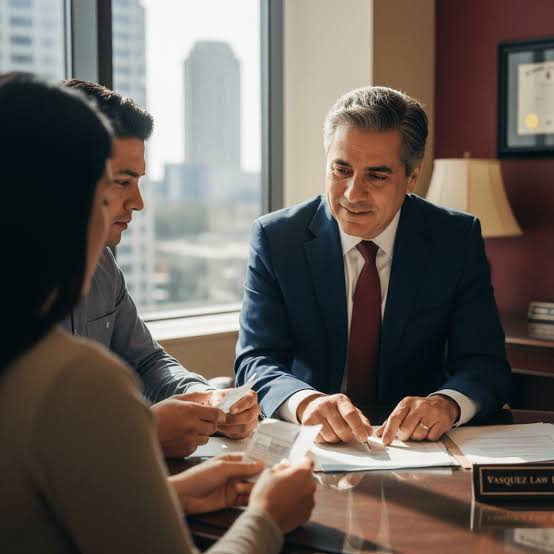
A visa refusal can disrupt work, study, family care, and plans for permanent settlement. Many files fail for reasons that may seem minor at first, such as thin evidence, inconsistent dates, unclear statements, or missed response periods. Legal guidance changes the file’s shape early. It turns scattered personal history into a case that meets the legal test, addresses risk, and gives decision makers a clear path through the material.
Early Case Review
For applicants in New South Wales, an immigration lawyer in Sydney can assess visa eligibility alongside legal criteria, refusal history, family facts, employment records, character issues, and time limits. That first review often exposes gaps before lodgement, so evidence can be gathered while deadlines remain workable and claims still have room for careful correction.
Better Evidence
Evidence is the backbone of most migration outcomes. A lawyer can sort what carries weight from papers that add little. That may include identity records, proof of employment, relationship material, health reports, financial documents, or country information. Good evidence is not just more paperwork. It is relevant, consistent, translated where needed, and arranged so an officer can test each claim without guesswork.
Stronger Written Submissions
Forms collect facts, but they rarely explain why those facts satisfy the law. Written submissions do that work. They link legal criteria to documents, address likely concerns, and give the file a logical order. A lawyer can also explain gaps, such as travel breaks, employment changes, or family separation. Clear submissions reduce the risk that important material sits unnoticed in attachments.
Risk Control
Small inconsistencies can carry real weight in migration files. Different dates, missing police checks, vague addresses, or uneven relationship timelines may raise credibility concerns. A lawyer can compare records before lodgement and identify weak points early. Some issues can be corrected. Others need explanation. Either way, it is usually better to address concerns before an officer frames them as problems.
The Right Visa Path
A person may appear eligible for several visa options, yet only one may fit the evidence, timing, and long-term goal. Age, skills, sponsorship, family links, study history, health, and character can all affect that choice. Legal advice helps compare pathways before incurring fees. A poor choice can shorten the lawful stay, increase the risk of refusal, or make a later application harder.
Work and Skilled Routes
Work and skilled visas often turn on occupation lists, points, skill assessments, English results, and employer obligations. A lawyer can assess whether the claim is realistic before incurring major costs. That review helps applicants prepare stronger records for qualifications, duties, salary, and employment history.
Family and Partner Claims
Family and partner matters depend on credible proof of genuine ties. A lawyer can help arrange shared finances, household records, travel history, social evidence, and personal statements. The aim is not volume. It is a clear relationship history that shows commitment, daily life, and continuity over time.
Refusals and Appeals
A refusal is serious, but it is not always the end of the matter. Review periods may be short, and the correct forum depends on the decision. A lawyer can read the reasons for refusal, assess review rights, and prepare arguments for a tribunal or court. Strong appeal work focuses on evidence, legal error, procedural fairness, and any point the original decision overlooked.
Communication With Authorities
Migration files often involve requests for information, natural justice letters, or updates from the Department of Home Affairs. A lawyer can respond within time and answer concerns directly. Careful replies matter because vague answers can leave doubts unresolved. Good communication also helps applicants understand what has been filed, what remains pending, and the next deadline.
Less Stress, More Clarity
Legal help cannot promise approval, but it can make the process more controlled. Applicants receive a plan, an evidence list, a filing order, and a realistic explanation of the risks. That clarity matters during long waits, especially for families, workers, and students making daily decisions around visa status. Better preparation also reduces repeated document requests and last-minute pressure.
Conclusion
An immigration lawyer can change a visa outcome by improving strategy, evidence, timing, and legal presentation. The value sits in disciplined preparation, not empty reassurance. From initial advice through review or appeal, legal guidance can identify risks that applicants may miss on their own. For many people, that support turns an uncertain file into a focused application that gives the decision maker sound reasons to grant it.