Truck Accident Law Claims Rules and Legal Process 2026
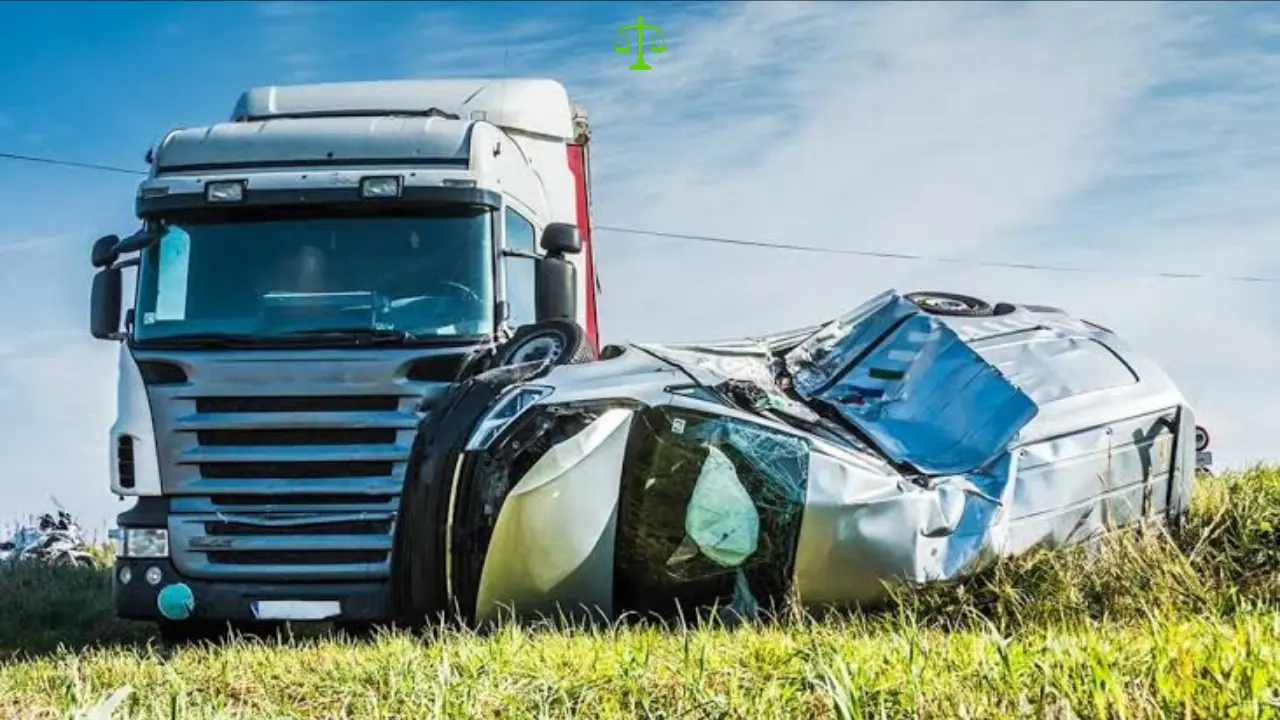
Truck accident law is the mix of state personal-injury law, insurance rules, and federal or state trucking safety requirements that can apply after a crash involving a commercial truck. It does not refer to one nationwide lawsuit, class action, or settlement. Instead, it governs how fault may be investigated, who may be legally responsible, what evidence matters, and how injured people or families may pursue an insurance claim or court case.
What Is Truck Accident Law About?
Truck accident law addresses legal responsibility for crashes involving vehicles such as tractor-trailers, delivery trucks, dump trucks, tankers, and other commercial vehicles. A case may involve negligence claims, safety-regulation issues, insurance coverage questions, property damage, serious injury, or wrongful-death claims.
Federal and State Rules
Many interstate commercial carriers and drivers are subject to safety rules issued by the Federal Motor Carrier Safety Administration (FMCSA). These rules are generally known as the Federal Motor Carrier Safety Regulations. States also have their own traffic laws, vehicle rules, insurance rules, and civil-law standards. Which rules apply can depend on the vehicle, its weight, the type of operation, and whether it was engaged in interstate commerce.
Driver Qualification
Commercial drivers may need a commercial driver’s license and, for certain equipment or cargo, additional endorsements. Motor carriers may also have duties related to driver qualification, including reviewing driving histories and conducting required testing or training in circumstances covered by applicable rules.
Hours of Service and Fatigue
Truck Accident Law, Federal hours-of-service rules limit driving time and require rest periods for many commercial drivers. Electronic logging devices are commonly used to record duty status for covered operations. These records may be important where fatigue, excessive driving time, or inaccurate logs are alleged.
However, a crash alone does not establish that a driver was fatigued or exceeded legal limits. Investigators and parties may need to compare logs with dispatch records, fuel receipts, location data, toll records, and other evidence.
Vehicle Inspection, Maintenance, and Cargo
Truck Accident Law, Commercial vehicles may be subject to inspection, repair, maintenance, and cargo-securement requirements. Brake condition, tire condition, lighting, coupling equipment, load weight, and securement can matter in a collision investigation.
Depending on the evidence, a claim may assert that a mechanical defect, poor maintenance, or shifting cargo contributed to a crash. A maintenance contractor, shipper, loader, or manufacturer may become relevant only if facts support a connection to the event.
Who May Be Responsible After a Truck Crash?
Responsibility under truck accident law is fact-specific. More than one person or business can potentially be named in a claim, but potential involvement is not proof of legal liability.
- The truck driver: A claim may allege unsafe driving, distraction, speeding, failure to yield, impairment, or another breach of the duty to drive with reasonable care.
- The motor carrier: The company operating the truck may be responsible for its employee’s actions under applicable state law. Separate allegations may concern hiring, training, supervision, dispatching, or maintenance.
- The vehicle owner or leasing company: Ownership and operating arrangements can affect insurance, maintenance obligations, and possible liability.
- A cargo-related business: A shipper, broker, or loading company may be investigated if cargo loading, weight, or securement is alleged to have contributed to the collision.
- A manufacturer or repair business: A product-liability or negligent-repair claim may be considered where reliable evidence points to a defective part or improper repair.
- Another road user or public entity: A passenger-vehicle driver, pedestrian, cyclist, or, in limited situations, a government entity responsible for roadway conditions may also be part of the factual inquiry.
How Fault Is Evaluated in a Truck Accident Claim
Most injury claims rely on negligence. In simple terms, the claimant generally must show that a person or entity owed a duty of reasonable care, breached that duty, and caused legally recognized harm. The required proof and available defenses vary by jurisdiction.
States use different rules when more than one person may have contributed to a crash. In comparative-fault states, a claimant’s recovery may be reduced by that person’s percentage of fault. A small number of jurisdictions use more restrictive contributory-negligence rules. These differences can significantly affect a case.
Insurers, attorneys, and courts often examine the following evidence:
- Police crash reports and citations, while recognizing that a citation is not a final civil finding of fault
- Photos, video, dash-camera footage, and nearby surveillance footage
- Witness names and statements
- Truck electronic-control-module data, GPS information, and electronic logs where available
- Dispatch records, bills of lading, inspection reports, and maintenance records
- Physical vehicle damage, roadway evidence, and crash-reconstruction analysis
- Medical records and documentation of lost income or property damage
Insurance and Damages
Commercial trucking insurance may involve higher policy limits than personal auto coverage, but there is no universal amount and no guaranteed payment. Coverage can depend on the vehicle, carrier, cargo, trip, policy language, exclusions, and applicable state or federal requirements.
Possible damages in a successful injury claim can include reasonable medical expenses, lost income, reduced earning capacity, property damage, and pain and suffering, subject to state law and proof. In a fatal-crash case, state wrongful-death and survival laws control who may bring claims and what damages may be available. Some states limit certain damages; others do not.
Class Action
No. Truck accident law is not a class action. It is a legal subject covering individual and, less commonly, group-related disputes arising from truck crashes. Most truck collision injury cases are individual claims because each person’s injuries, medical treatment, fault evidence, and damages differ.
A class action is a specific court procedure in which one or more plaintiffs seek to represent a larger group with shared legal and factual issues. A proposed class is not certified unless a court grants certification. Although class actions can arise from trucking-related business practices in some circumstances, that does not make an individual crash case a class action.
Settlement
There is no single, verified “truck accident law settlement” because truck accident law is not one case or legal proceeding. Settlements, if any, are tied to specific crashes, parties, insurance policies, and lawsuits. Online advertisements using broad phrases about truck settlements should not be treated as proof that a particular settlement exists or that a person qualifies for compensation.
Deadlines
Legal deadlines can be short and vary widely. The civil filing deadline, often called the statute of limitations, is set by the law of the relevant state and may differ for personal injury, wrongful death, property damage, claims involving minors, and claims against government entities.
Government-related claims can have special notice requirements that arise before an ordinary lawsuit deadline. Bankruptcy, insurance policy conditions, and contract terms may also create separate timing issues. Because missing a deadline can affect rights, a person considering a claim should review the applicable law and obtain advice from a qualified attorney in the relevant jurisdiction rather than relying on a general online timeline.
Commercial Truck Crash
Safety and medical care come first. People should follow emergency responders’ instructions and seek appropriate evaluation for injuries. Some injuries are not immediately obvious, so medical documentation can be important for health care as well as an insurance claim.
When it can be done safely, useful records may include the truck’s identifying information, the carrier name displayed on the vehicle, license plate numbers, driver and insurance information, photos of the scene, contact information for witnesses, and the police report number. Keep copies of medical bills, repair estimates, wage records, communications with insurers, and photographs of injuries or damaged property.
Common Misunderstandings
Police Reports
Police reports can be valuable, but they may contain preliminary observations and may not include all evidence later developed in a civil claim. Courts and insurers can weigh reports differently depending on the jurisdiction and circumstances.
Federal Rules
Evidence of a safety-rule violation may be relevant, but an injured person still may need to establish causation and damages. Conversely, the absence of a proven regulatory violation does not automatically resolve all negligence issues.
Large Truck Does Not Mean a Large Settlement
Settlement values cannot be predicted from the type of vehicle alone. The available evidence, liability disputes, injuries, treatment, insurance coverage, state law, and negotiated terms all matter.
Current Status
Truck accident law is an ongoing area of state and federal law, not a single pending case with one current status. Individual matters may be in insurance negotiations, litigation, appeal, settlement discussions, or closed. A reader who is researching a specific collision should use the names of the parties, the crash date, and the court or insurer information to identify the correct matter.
Frequently Asked Questions
What is truck accident law about?
Truck accident law covers the rules and legal claims that may apply after a commercial-truck crash. It can involve traffic laws, trucking safety regulations, negligence, insurance coverage, evidence, and damages.
Is every truck accident lawsuit against the trucking company?
No. The proper parties depend on the facts. A case may involve the driver, carrier, vehicle owner, maintenance business, cargo-related company, manufacturer, another driver, or none of those beyond the parties supported by evidence.
Is truck accident law a class action?
No. It is a field of law, not a class action. Most crash claims are individual matters, although a separate trucking-related case could seek class treatment under the proper facts and court procedures.
Has truck accident law been settled?
There is no single settlement because there is no single case called truck accident law. Any settlement must be verified using the specific parties, case, and official documents.
How long do I have to bring a truck accident claim?
The deadline depends on the state, the type of claim, and the parties involved. Claims involving government entities may have special early notice rules, so general online information should not be used to determine a deadline.
What records are helpful after a truck crash?
Helpful records can include the police report number, photos, witness details, medical records, repair estimates, insurer correspondence, and information identifying the truck and motor carrier.
Conclusion
Truck accident law provides the framework for investigating commercial-vehicle crashes and resolving related insurance claims or lawsuits. It may involve federal safety rules, state negligence standards, several potentially responsible parties, and evidence held by trucking businesses. A crash, citation, or lawsuit allegation does not itself establish wrongdoing. There is also no single class action or verified settlement under the general term “truck accident law.” For a specific dispute, the controlling facts, state law, insurance records, and official court documents determine the status and available legal options.