Tepezza Hearing Loss Lawsuit: What Patients Need to Know in 2025
Tepezza Hearing Loss Lawsuit: What Patients Need to Know in 2025
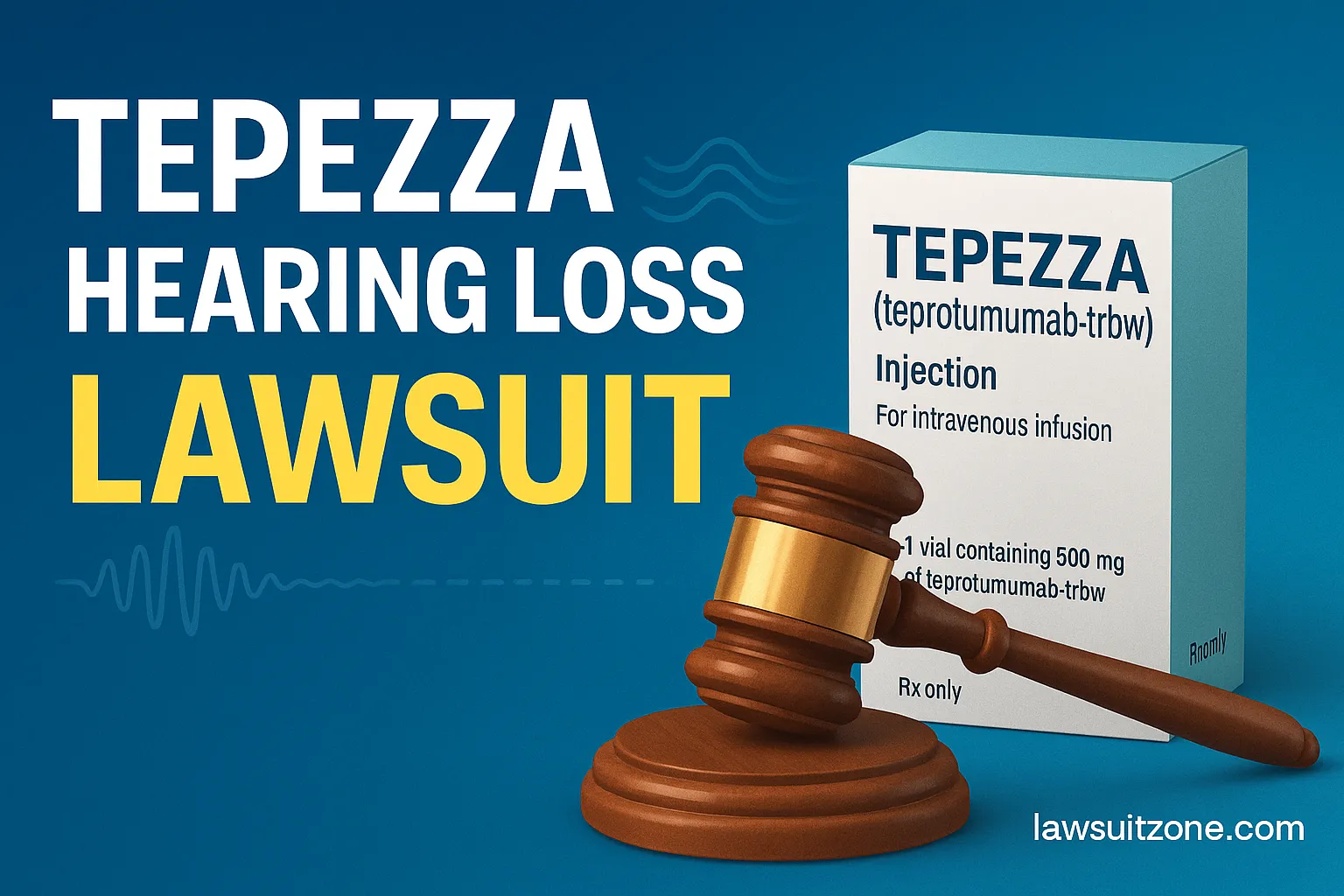
Medical advancements can be a life-saver but occasionally they introduce unforeseen risks. One such example in the news is the Tepezza hearing loss lawsuit. While Tepezza was celebrated as the first FDA-approved medication for Thyroid Eye Disease (TED), numerous patients now allege that the drug harmed their hearing, in some instances irreparably.
This isn’t just a legal fight; it’s a human story about trust, health, and accountability. In this guide, we’ll walk through what Tepezza is, why lawsuits have been filed, what patients are saying, and how the legal system is handling the claims. Have you checked our detailed guide on National Life Group Lawsuit.
What Is Tepezza and Why Was It Celebrated?
Tepezza (teprotumumab-trbw) was approved on an accelerated basis by the FDA in 2020. For individuals suffering from Thyroid Eye Disease—a condition that makes eyes protrude and blurs vision—it was like a magic pill.
- Manufacturer: Horizon Therapeutics
- Treatment Goal: Lessen inflammation and swelling of the eyes
- Promise: Relief from a condition without many alternatives without surgery
Physicians were enthusiastic, patients were optimistic, and Tepezza was touted as revolutionary.
Where Things Went Wrong: The Hearing Concerns
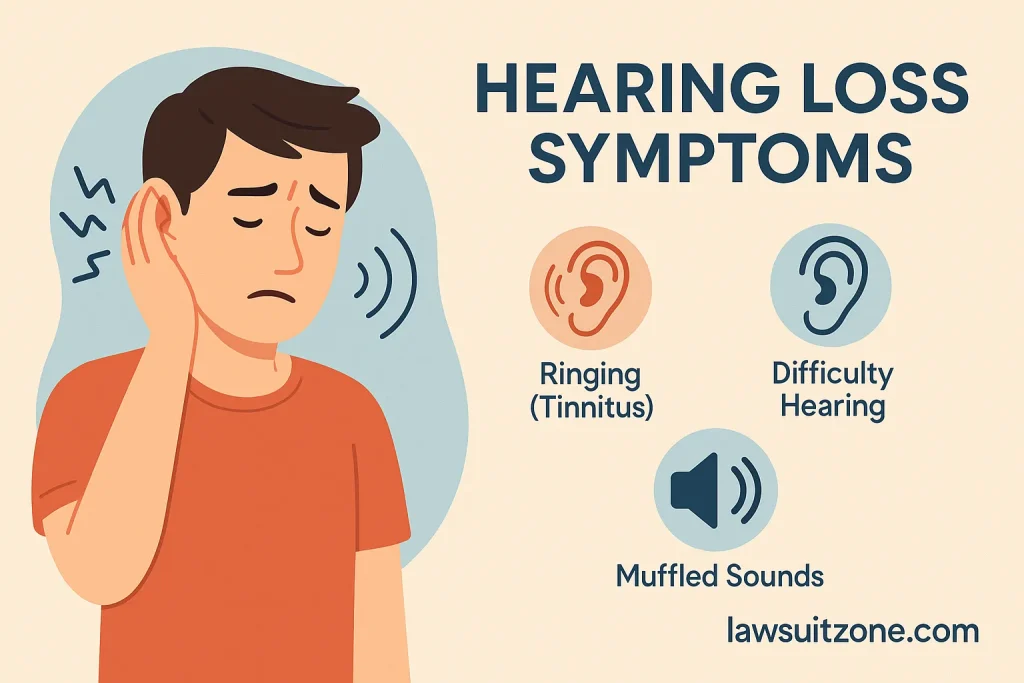
Shortly after infusions were started in patients, disturbing news emerged:
- Tinnitus that lasted
- Speech difficulties
- Sudden muting of hearing
- In a few instances, irreversible hearing loss
For those with existing TED, this was heartbreaking. Envision getting your vision ease back but not being able to hear your loved ones clearly—that’s the cruel fate many claim to have experienced.
Why the Tepezza Hearing Loss Lawsuit Exists
The lawsuits all come down to this question: Did Horizon adequately warn patients of risks?
Charges include:
- Failing to warn of possible hearing damage
- Inadequate long-term testing prior to FDA approval
- Asleep-at-the-wheel monitoring of post-launch safety data
- Marketing downplaying the risks
Patients claim that had warnings been clearer, they would have been able to make informed decisions or take measures such as routine hearing tests.
What Research Says
Early reports indicated hearing difficulties in roughly 10–15% of Tepezza patients, but actual-world figures could be greater. Certain ear experts now caution that Tepezza may lead to sensorineural hearing loss, which is typically irreversible.
The FDA’s Adverse Event Reporting System has recorded more than several dozen complaints. Although Horizon has strengthened safety advice, critics indicate that warnings occurred too late for many.
For current drug safety updates, go to the U.S. Food & Drug Administration (FDA) a trusted authority source.
Patient Voices: Stories Behind the Lawsuit
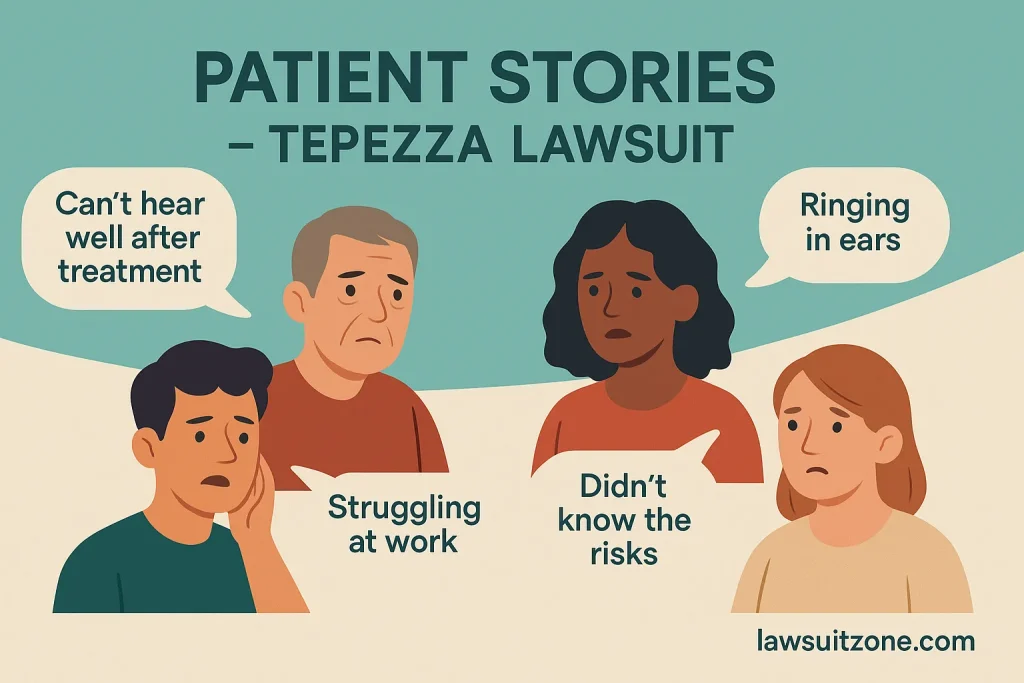
These aren’t statistics—these are people’s lives:
- Case 1: A 47-year-old school teacher complained of hearing “like under water” following her third infusion. Today, she uses hearing aids she did not previously need.
- Case 2: A man in his 50s reported persistent ringing that renders sleep almost impossible. He reports he would have changed his mind about Tepezza had he been warned.
- Case 3: One woman reported that although her eye symptoms resolved, she now has difficulty talking in noisy environments—something she refers to as “trading one disability for another.”
How the Tepezza Lawsuits Work
If you’ve ever wondered what happens when a drug company is sued, here’s the process in plain language:
- Consultation: A lawyer reviews your case and medical records.
- Filing the Lawsuit: The claim is officially filed in court against Horizon.
- Evidence Gathering: Doctors’ notes, hearing test results, and FDA data are examined.
- Settlement Talks or Trial: Most drug lawsuits settle, but some go to trial if no agreement is reached.
Class Action vs. MDL: What’s the Difference?
Currently, numerous Tepezza cases fall under multidistrict litigation (MDL)—a practice that brings together similar cases for efficiency.
- Class Action: Everyone has one result.
- MDL: Each patient maintains their own case but profits from common evidence.
MDL is usually used for drug cases because hearing loss affects individuals differently.
What Victims Might Receive as Compensation
Compensation in the Tepezza hearing loss case might include:
- Medical costs: Hearing aids, audiology appointments, potential surgeries
- Lost wages: If work was interrupted by hearing problems
- Pain and suffering: Psychological burden of permanent hearing loss
- Punitive damages: In case the court deems Horizon’s conduct reckless
Amounts range extensively, but settlements in other drug cases typically range into the tens or hundreds of thousands of dollars per patient.
Lessons from Other Drug Lawsuits
The Tepezza lawsuit isn’t an isolated case—other high-profile drug lawsuits set the stage:
- Zantac: Recalled over contamination concerns linked to cancer
- Opioid litigation: Billions paid out because of addiction epidemic
- Johnson & Johnson talc powder: Tied to cancer claims
All emphasize one reality: honesty in medicine saves lives.
What This Means for Patients
The Tepezza lawsuits are a reminder:
- Always inquire about long-term side effects with new medications
- Maintain personal medical log of symptoms throughout treatment
- Speak up for yourself—ask for tests, demand second opinions
- Keep in mind that FDA approval does not mean zero risks
Frequently Asked Questions (FAQs)
The Bigger Picture
The Tepezza hearing loss lawsuit is not just a courtroom fight—it’s about trust among patients, physicians, and drug manufacturers. For some, Tepezza relieved the weight of Thyroid Eye Disease. For others, it brought a lifetime of wrestling with hearing loss.
What is certain is that patient safety and transparency should take priority. If you or a loved one used Tepezza and experienced hearing complications, consider consulting both a medical expert and an attorney who handles pharmaceutical cases.