First-Time Drug Charge in Ontario? Here’s What Happens Next
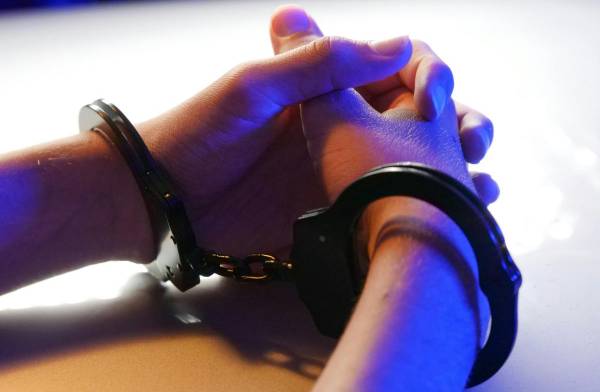
Getting arrested for the first time is terrifying. Everything is fine, then suddenly they are handcuffed in a cruiser. The worry about a criminal record, the embarrassment, the uncertainty—it is a lot to carry.
This piece covers what happens after a first-time drug arrest in Ontario, from the moment of the charge through the possible results, and why a lawyer needs to be their first call.
What Happens Right After an Arrest
Once someone’s arrested, they get brought to the station. Police take prints and a photo. From there, it’s either a bail hearing or a release with a promise to show up later.
Your Rights at the Station
Rights exist. A driver should actually use them. Shutting up works better than explaining.
- Right to remain silent — no answers needed
- Right to a lawyer — no delays
- Nothing said stays private. It’s all evidence.
So just say this: “I want to speak to a lawyer.” Nothing else.
The Bail Hearing
No release means a bail hearing. That happens within 24 hours. A Justice of the Peace decides if someone stays out while their case moves forward.
For a first-time, non-violent drug charge, release is likely. But watch for conditions:
- Passport goes to the court
- Keep distance from certain people or places
- Report to a bail supervisor
- No weapons
A lawyer at the hearing helps dodge harsh, unnecessary conditions.
Understanding the Charges You’re Facing
The charge itself determines the consequences and the best defence — and most drug offences in Ontario fall under the Controlled Drugs and Substances Act.
- Possession
This charge applies to small amounts of drugs for personal use. It is the least serious drug charge, but still a criminal offence.
- Possession for the Purpose of Trafficking
This is a much more serious charge. The Crown will try to prove selling, not just possession. They check for:
- Drug quantity
- Packaging materials like baggies or a scale
- Cash, especially in larger amounts
- Two or more phones, or a customer list
- Your First Court Appearance
That first court date is usually just paperwork. The Crown hands over something called “disclosure” — basically all their evidence including police notes, witness statements, and lab reports on the drugs seized.
Why You Need a Lawyer to Review Disclosure
Do not handle this alone. A criminal defence for drug offences in Ontario lawyer knows where to look for weaknesses in the Crown’s evidence. The big questions they will ask:
- Did the officer have grounds to pull you over?
- Was that search of your car or home even legal?
- Did anyone violate your rights along the way?
How Charter Violations Can Help Your Case
Charter violations matter. If police step out of line, a court can exclude the evidence they gathered. Once that evidence is gone, the Crown’s case often falls apart. From there, charges get reduced or dropped altogether.
Penalties for a First-Time Offender
The law is tough on drug offences, but courts do cut first-time users some slack toward rehabilitation — though the consequences are still serious.
- A Criminal Record
A discharge is the only way around it. Otherwise, even simple possession sticks a person with a permanent criminal record. Background checks will find it. Expect problems with:
- Jobs and career paths
- Crossing borders
- Volunteer positions
- Getting approved for housing
- Fines and Probation
The court may impose a fine and a period of probation. Conditions might include counselling for drugs, volunteering hours, or avoiding specific places.
- Jail Time
Jail is unlikely for a first possession charge, but trafficking is a whole different story and can put someone behind bars even on a first offence.
Why You Need a Drug Charges Lawyer
Facing a drug charge alone is a mistake. The system is not built to help anyone — it is built to convict. A skilled drug charges lawyer in Brampton like the team at GSP Law can level the playing field.
- How a Lawyer Can Help
A lawyer does more than just show up to court.
- Guides a person through every step, from bail hearing to the end
- Talks to the Crown on their behalf
- Negotiates for lighter charges or alternative programs
- Builds a defence strategy that fits their specific situation
- Makes sure their rights stay protected the whole time
- Programs to Avoid a Criminal Record
The right lawyer can point someone toward programs that keep a first offence off their record.
- Diversion: Finish the conditions. The Crown drops the charges.
- Drug treatment court: Rehabilitation first, punishment second.
- Discharge: A guilty finding without a permanent criminal record after conditions are done.
Don’t Face This Alone
GSP Law has been at this for almost ten years. They fight hard and put clients first. And their results? Proven.
Know someone facing a first drug charge? Do not sit around. Call a drug charges lawyer in Brampton from GSP Law now. A strong legal team gives the best chance at keeping a record clean and a future intact.