Car Accidents in Boston: What to Do and How Claims Work
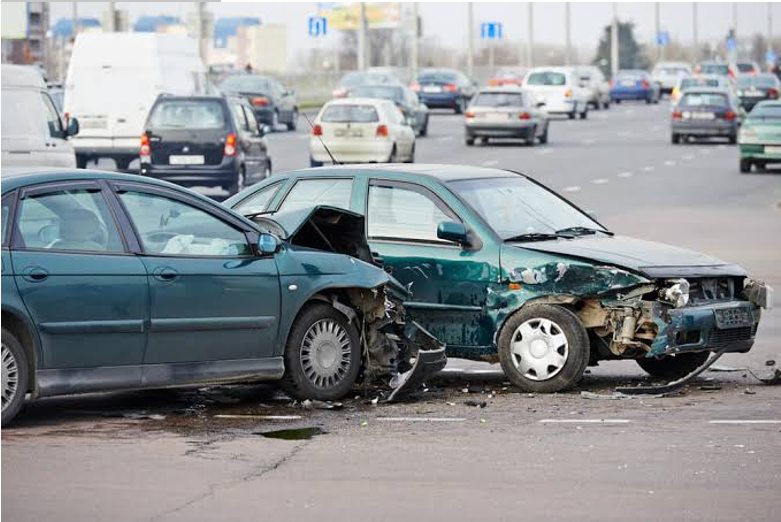
Boston’s roads are famously challenging. Between the maze of historic streets, aggressive traffic, rotaries, and the constant mix of commuters, students, tourists, and rideshare drivers, the city sees its share of collisions every single day. For most people, a car accident is a rare and disorienting event, and the decisions made in its aftermath at the scene, with insurers, and in the days that follow can shape both their recovery and any claim. Knowing how Massachusetts handles auto accident claims can make a stressful experience far more manageable.
This article is general information rather than legal advice, but it should help Boston drivers navigate the aftermath of a crash.
Why Boston driving is so accident-prone
Several factors make Boston’s roads especially hazardous. The street layout, much of it predating the automobile, produces confusing intersections, sudden merges, and one-way streets that challenge even experienced local drivers. Heavy congestion breeds frustration and aggressive driving, increasing the likelihood of a car accident during even routine commutes. The seasonal influx of students and the steady stream of out-of-town visitors add drivers unfamiliar with the city’s quirks. And distracted driving phones, navigation, and inattention remains a leading cause of crashes everywhere, Boston included, making car accident prevention a constant concern for motorists, cyclists, and pedestrians alike.
These conditions produce collisions of every kind, from minor fender-benders to serious high-speed crashes. The most dangerous moments tend to come at intersections, on highway merges, and in the stop-and-go congestion where a moment’s inattention leads to a rear-end collision. Understanding these patterns can help drivers stay alert, but no amount of caution eliminates the risk entirely when so many vehicles share such difficult roads.
The first steps after a crash
What you do immediately after a collision matters enormously. If you’re able, move to safety and call 911, even for a crash that seems minor, because a police report creates an official record that’s difficult for an insurer to dispute later. Check on everyone involved and accept medical evaluation, since the adrenaline of a crash can mask injuries like whiplash, concussions, and soft-tissue damage that emerge only hours or days later.
At the scene, document everything you can: photographs of the vehicles, their positions, the damage, road conditions, and any visible injuries, along with the other driver’s insurance and contact information and the names of any witnesses. Throughout, stick to the facts and avoid apologizing or speculating about fault, because casual remarks have a way of resurfacing in an insurance dispute. People navigating the aftermath of a crash can read more about how these claims are handled and what steps best protect an injured person’s rights.
How Massachusetts no-fault insurance works
Massachusetts is a no-fault auto insurance state, which surprises many drivers after their first serious crash. Under no-fault, your own insurance pays a portion of your medical bills and lost wages through personal injury protection coverage, regardless of who caused the accident. The system is designed to handle routine injuries quickly without first litigating blame.
But no-fault has limits. To step outside the system and pursue a claim against the at-fault driver for the full range of damages, including pain and suffering, your situation generally must meet a legal threshold such as medical expenses exceeding a set amount or certain serious injuries. This threshold is one of the most important concepts in any Massachusetts crash claim, and whether an injury meets it often determines the entire course of a case. The broader category of vehicle accidents from ordinary cars to commercial vehicles and rideshare cars can raise additional insurance questions, and people dealing with these complexities can click here to understand how different types of auto accident claims are handled.
Fault and comparative negligence
Even outside the no-fault framework, fault in a Massachusetts crash is rarely all-or-nothing. The state follows a modified comparative negligence rule: your recovery is reduced by your share of responsibility, and if you’re found more than fifty percent at fault, you generally cannot recover at all. Insurers understand this rule thoroughly and routinely work to assign as much blame as possible to the injured driver.
That makes the details decisive. The position of the vehicles, the timing of a signal, skid marks, dashcam or surveillance footage, and witness accounts all influence how fault is divided. Evidence that seems minor at the scene can become the deciding factor weeks later, which is another reason to document thoroughly and act before that evidence disappears. Protecting against unfair blame is one of the most important parts of pursuing a fair recovery.
What compensation can cover
When another driver’s negligence causes a serious crash, compensation can extend well beyond an emergency-room bill. It may include ongoing medical treatment and rehabilitation, particularly when an accidental head injury results in lasting cognitive, physical, or emotional challenges, as well as lost income and reduced earning capacity, vehicle damage, and the pain, stress, and disruption a serious injury brings to daily life. Capturing the full picture, especially the long-term costs, is essential because an early settlement that covers only today’s expenses can leave the most significant losses unpaid.
This is why caution with early offers matters so much. The first number an insurer presents is rarely its best, and once a settlement is accepted, the claim is closed even if your condition later worsens. Understanding the true, long-term scope of your injuries before agreeing to any figure protects you from settling for too little.
Don’t let the deadline pass
Massachusetts imposes a strict deadline on injury claims, generally a few years from the date of the crash. A claim filed too late is barred no matter how strong it is. Even apart from the legal cutoff, waiting weakens a case in practical terms, as memories fade, vehicles get repaired, and footage is erased. The drivers who fare best are usually those who act early, both to protect their health and to lock down the proof that supports their claim.
When to get help with your claim
Most minor crashes can be handled without much difficulty, but serious collisions are another matter. When injuries are significant, when fault is disputed, or when an insurer is dragging its feet or making a lowball offer, professional guidance often pays for itself. The no-fault threshold and comparative negligence rule add complexity that’s hard to navigate alone, especially while recovering.
Many injured drivers turn to experienced help in these situations. Firms such as The Law Office of John J. Sheehan handle car and auto accident claims regularly, managing communications with insurers and preserving the evidence a claim depends on. Bringing in that support early tends to prevent the small missteps recorded statements, quick settlements, missed documentation that can quietly weaken an otherwise strong claim.
The bottom line
Car accidents are an unavoidable part of life on Boston’s challenging roads, but their consequences don’t have to be compounded by avoidable mistakes. Move to safety and call for help, get medical care even when you feel fine, document the scene, understand how Massachusetts no-fault and comparative negligence rules apply, and respect the deadlines that govern every claim. Whether you’re a lifelong resident or just navigating the city’s streets for the first time, a clear head and a little knowledge can make all the difference between a fair recovery and a frustrating one. Crashes are stressful and disorienting by nature, but the drivers who come through them best are simply the ones who stay calm, protect the evidence, and refuse to let an insurer rush them into a decision before the full picture is clear.