7 Steps to Take After a Car Accident in Los Angeles
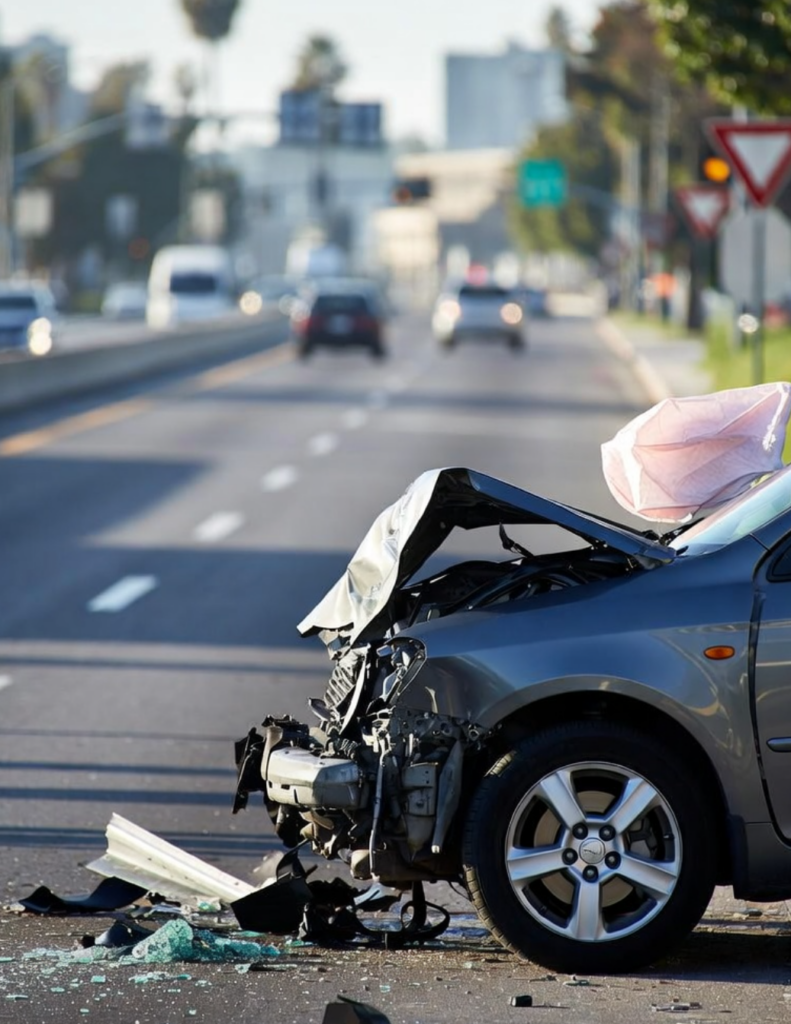
A car crash on a busy Southern California roadway happens in a split second, turning a normal commute into a high-stress crisis. In the immediate aftermath of a collision on the 405, the 10, or a congested intersection in Downtown LA, adrenaline floods your system, making it difficult to think clearly. However, the choices you make in the first thirty minutes after an impact dictate your physical recovery and your financial protection. Following a structured set of actions protects your physical well-being and preserves the facts before they disappear.
Immediate Post-Accident Checklist
| Step | Core Action | Local Objective |
| 1. Secure Safety | Move to the shoulder; keep hazard lights flashing | Prevents secondary high-speed chain collisions |
| 2. Check Injuries | Call 911 for emergency medical technicians | Establishes an official medical baseline record |
| 3. Request Police | Obtain an official law enforcement report | Collects unbiased, third-party scene details |
| 4. Document Facts | Capture photos of damage, skid marks, and signs | Preserves physical evidence before it is cleared |
| 5. Swap Details | Collect names, phone numbers, and insurance data | Identifies the responsible parties for the claim |
| 6. Seek Care | Visit a local emergency room or clinic within 72 hours | Connects your physical symptoms directly to the crash |
| 7. Legal Review | Consult a local injury attorney | Shields you from aggressive insurance adjusters |
1. Move to a Safe Position and Check for Injuries
The primary hazard immediately following an accident on a major Los Angeles freeway or surface street is the threat of a secondary collision. If your vehicle is operational and sitting in active traffic lanes, safely guide it over to the nearest shoulder or exit ramp. Turn off the engine, engage your emergency parking brake, and switch on your hazard lights to warn oncoming drivers.
Once the vehicle is stable, perform a rapid self-evaluation for physical trauma before checking on your passengers. Internal injuries and soft-tissue damage are masked by adrenaline right after a crash. If anyone experiences severe pain, neck stiffness, dizziness, or visible bleeding, avoid moving them unless there is an immediate danger of fire.
2. Notify Law Enforcement and Request an Emergency Response
Call 911 immediately to report the collision to dispatchers. Provide the emergency operator with your precise location, noting nearby street intersections, highway mile markers, or distinct landmarks. Inform the dispatcher if any vehicles are blocking traffic or if medical teams are required for injuries.
In major urban areas like Los Angeles, police departments or the California Highway Patrol might decline to dispatch an officer to a minor fender-bender with no reported injuries. However, if there is physical pain, significant property damage, or a driver refusing to cooperate, an official response is necessary. The responding officer from the LAPD or CHP will interview witnesses and compile an official traffic collision report, which serves as an objective record of the event.
3. Exchange Regulatory Information With All Involved Drivers
California law requires all motorists involved in an accident to share identifying and financial details with one another. While waiting for emergency services to arrive, approach the other drivers and gather specific information. Keep your conversation strictly neutral, focusing entirely on data collection rather than debating who caused the wreck.
Be sure to write down or photograph the following details:
- The full legal name and phone number of the driver and vehicle owner
- The auto insurance provider name and specific policy identification number
- The driver’s license number and state of issuance
- The make, model, year, and license plate number of the involved vehicles
4. Capture Comprehensive Digital Evidence at the Scene
Physical evidence at a crash scene degrades rapidly as vehicles are towed, debris is swept away, and weather conditions change. Use your smartphone camera to build a detailed visual record of the entire area before any vehicles are moved from their final resting spots.
Take wide-angle photographs showing the relative positions of all involved cars, nearby traffic signals, and relevant road signs. Capture tight, detailed images of the specific property damage on every vehicle, including shattered glass and scraped paint. Look for and photograph road features like tire skid marks, gouges in the asphalt, scattered debris fields, and any construction hazards that may have contributed to the crash. Different vehicle types face entirely unique impact forces on the road; if you or a loved one navigate the streets on two wheels and want to see how specialized investigators evaluate these complex scenes, you can meet the Marker Law motorcycle accident lawyer team in Naperville to learn how dedicated legal teams reconstruct high-impact collisions to protect riders’ rights.
Evidence Preservation Comparison
| Evidence Type | Collection Method | Strategic Legal Value |
| Scene Photos | Wide and tight smartphone images | Confirms vehicle positions and weather conditions |
| Police Report | Officer interviews and diagram | Offers an objective, third-party fault assessment |
| Witness Text | Written names and phone contacts | Backs up your version of events against denials |
| Medical Record | ER or urgent care discharge sheets | Links your physical trauma directly to the impact |
5. Identify and Collect Independent Witness Contact Details
Drivers involved in a collision often give conflicting accounts of what happened when speaking to insurance companies later on. Unbiased statements from third-party witnesses with no financial stake in the outcome are valuable in establishing the truth.
Look for bystanders, pedestrians, or occupants of other vehicles who stopped after witnessing the collision. Approach them calmly and ask if they would be willing to share what they saw. Write down their full names, phone numbers, and email addresses. If they must leave before a police officer arrives, ask for their explicit permission to record a brief statement of their account on your phone. Documenting formal facts is a universal legal requirement across many areas of life; just as independent evidence establishes a clear record on the road, individuals managing family transitions or seeking to secure clear parental rights can learn how to establish paternity in Florida to formally protect their household’s future and financial stability through proper legal channels.
6. Seek a Professional Medical Evaluation Within 72 Hours
Failing to see a medical doctor immediately after a car crash is a common error that can severely damage an injury claim. Many serious injuries, including whiplash, concussions, internal bleeding, and spinal disc damage, do not show clear symptoms for several hours or days after the initial impact.
Go to an emergency room, a local urgent care clinic, or your primary care doctor for a full evaluation within 72 hours of the incident. This medical visit ensures your safety while creating a clear timeline connecting your physical trauma directly to the collision. If you delay medical care, insurance adjusters will argue that your injuries were caused by an unrelated event or that they are not as severe as you claim.
7. Consult a Legal Professional Before Contacting Insurance Adjusters
Insurance companies operate as businesses focused on minimizing financial payouts. Shortly after an accident, an insurance adjuster representing the at-fault driver will likely call you, offering a quick cash settlement in exchange for signing away your rights. These initial offers are almost always lowball figures that fail to cover long-term medical care or lost wages.
Avoid providing recorded statements or signing medical release forms until you have consulted a dedicated local legal team. Taking the time to consider your legal representation and getting help from a car accident law firm in Los Angeles after an injury crash protects you from these predatory tactics. An experienced local attorney will manage all communication with the insurance companies, calculate the true cost of your recovery, and build a strong case for full compensation.
Taking Action After a Collision
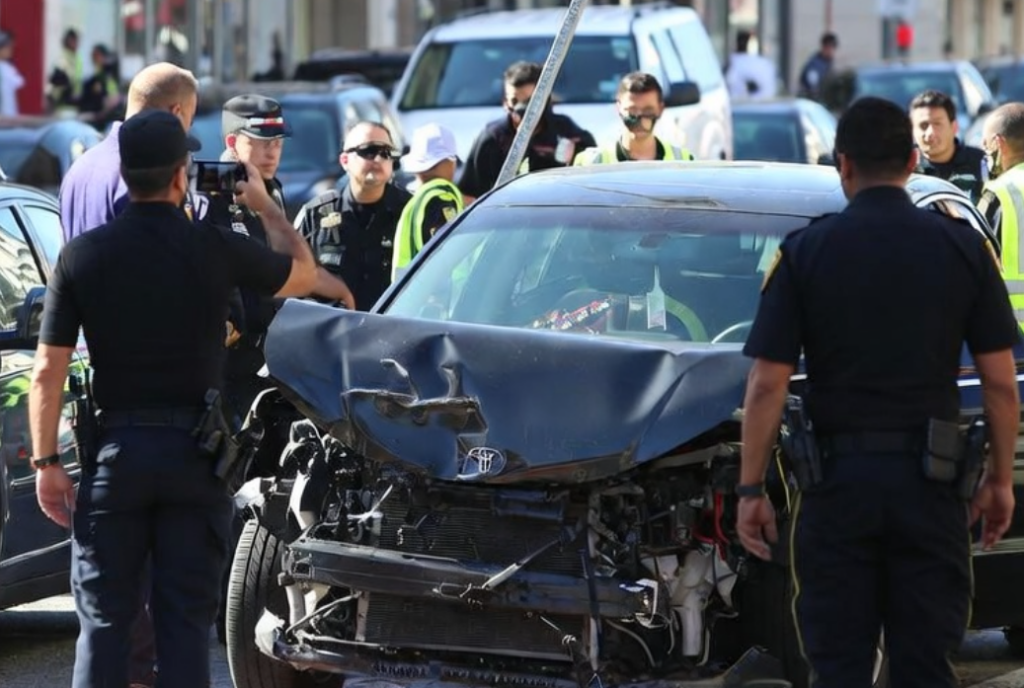
Navigating the days following an auto accident can feel overwhelming, but protecting your future comes down to consistent documentation and professional guidance. This week, ensure you request a copy of your official police report and keep all medical receipts, diagnostic scans, and discharge papers organized in a single dedicated file folder. Reach out to a qualified personal injury attorney to evaluate your options, allowing you to focus fully on your physical recovery.
Frequently Asked Questions
1. What is the statute of limitations for filing a car accident lawsuit in California?
Under California law, you have a strict two-year window from the exact date of the collision to file a personal injury lawsuit against the at-fault drivers. If you miss this legal deadline, you lose your right to pursue compensation in court, regardless of how severe your injuries are.
2. Can I still recover compensation if I was partially at fault for the accident?
Yes. California operates under a pure comparative negligence system. This legal framework means you can still seek financial recovery even if you share some blame for the crash, though your final compensation award will be reduced by your exact percentage of fault.
3. How do I obtain a copy of my official Los Angeles police report?
You can request a copy of your traffic collision report directly through the police department that responded to the scene, such as the Los Angeles Police Department or the California Highway Patrol. This process typically involves submitting a formal request online or by mail, along with a small administrative report fee.