Essential Steps to Take After a Car Accident
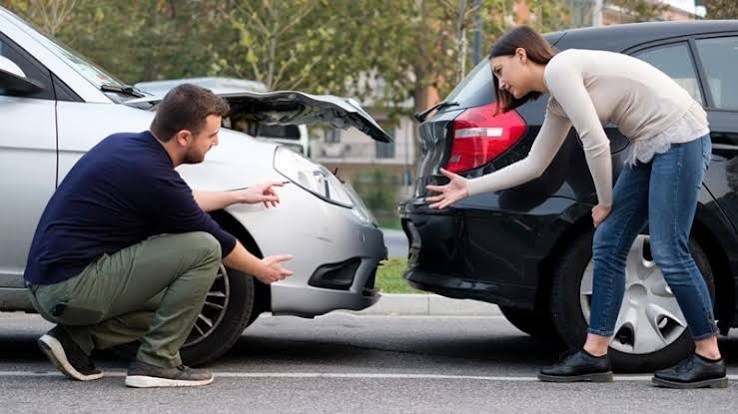
Table of Contents
- Ensure Safety
- Contact Emergency Services
- Exchange Information
- Document the Scene
- Notify Your Insurance Company
- Seek Medical Attention
- Understand Your Rights
- Follow Up
Being involved in a car accident is often an unsettling experience that can leave you feeling anxious and uncertain about what to do next. Reacting swiftly and knowledgeably can make a significant difference in ensuring everyone’s safety and protecting your future claims. When in doubt, seeking guidance from attorneys for car accident claims can also provide clarity and support through the process.
Following a clear set of actions after a collision not only helps secure your wellbeing, but also lays a foundation for handling insurance, legal, and medical matters smoothly. Immediate proactive steps can influence how your recovery and any claim proceedings unfold.
Once the initial chaos subsides, prioritizing safety, documentation, and official reporting is crucial. Addressing medical concerns right away and understanding your rights will also set you on the path toward a fair resolution.
Even minor crashes can escalate into lengthy disputes if the aftermath is not managed wisely. Knowing what to do and who to contact saves you frustration and helps protect your best interests.
Ensure Safety
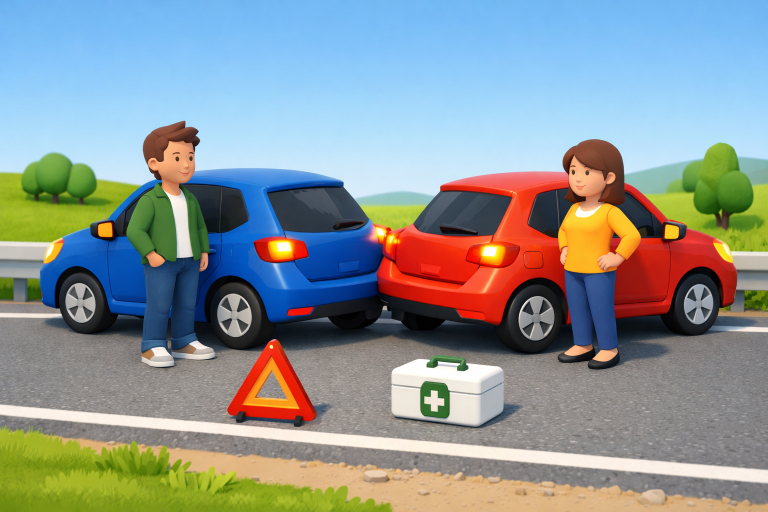
Your first priority after a car accident is to secure the safety of everyone involved, including yourself, other drivers, and passengers. If your vehicle is operable and it is safe to do so, gently move it to the shoulder or any location out of the flow of traffic. Make sure to activate hazard lights so that approaching motorists are aware of the incident ahead.
If moving the vehicle is impossible due to damage or injury, remain seated with your seatbelt fastened until authorities or emergency personnel arrive. Always carefully scan your surroundings before stepping out of your vehicle, especially if you are on a busy roadway or highway.
Additionally, consider keeping a basic emergency kit in your vehicle. Items such as reflective triangles, a flashlight, a first aid kit, bottled water, and a blanket can be essential if you must wait for help, especially during inclement weather or at night. Preparedness can help ensure your comfort and safety while you wait for authorities.
Remember to remain calm and composed, as your behavior in the immediate aftermath of an accident can impact both the safety of those involved and any subsequent investigations. Avoid confrontations with others involved, as emotions may be heightened. Keeping a cool head helps prevent the situation from escalating unnecessarily.
Contact Emergency Services
Contact emergency services by dialing 911, regardless of the accident’s scale. This is vital to ensure any injured persons receive medical attention as quickly as possible and to allow law enforcement to document the event. The police report will be critical evidence in any future insurance or legal claims, as outlined by the National Highway Traffic Safety Administration.
Even in accidents that appear minor, involving law enforcement can protect you legally. Officers can manage the scene, direct traffic, and keep everyone calm. Always cooperate fully, answering questions honestly and succinctly. If asked for a statement, stick to the facts as you remember them and avoid speculation.
If any hazardous materials are involved in the accident, sharing this with emergency responders is crucial for their safety and appropriate incident management.
Exchange Information
After confirming that the scene is secure and help is on the way, exchange essential information with the other party or parties involved. This information should include:
- Full names and phone numbers
- Driver’s license numbers
- License plate and vehicle registration numbers
- Insurance company names and policy numbers
- Vehicle make, model, and color
- The precise location of the accident
Avoid discussing who is at fault. Let the official investigators and insurance adjusters review the facts and make those determinations.
It can also be helpful to write down a short summary of your recollection of the accident while the details are fresh. This document may assist you later if your memory of the sequence of events fades over time.
Document the Scene
Carefully documenting the accident site can directly influence the outcome of your insurance or legal claim. Use your smartphone or camera to take multiple photos capturing the positions of the vehicles, damage sustained, any road hazards or signage, and visible injuries. Photographs that are timestamped and show different perspectives will be particularly valuable.
Request contact details from any witnesses present. Their perspectives and testimonies can be instrumental if disputes arise later about the details of the collision.
If possible, draw a diagram of the accident scene, marking the position of vehicles, traffic signals, road conditions, and any contributing factors such as weather or lighting. Small details in these diagrams can sometimes clarify important points that photographs alone cannot capture.
Notify Your Insurance Company
Report the accident to your insurance company promptly. Share all the information you have collected, including photos and the official police report number if available. Prompt and honest communication ensures a smoother, more expedient claims process and helps avoid potential issues with your coverage.
Many insurance companies offer mobile apps that allow for the quick submission of accident information and photographs. These convenient options help streamline the reporting and claims process. Make sure to follow up with your insurer regularly for updates and any additional information they need from you.
Seek Medical Attention
Even if you believe you were not injured, visit a healthcare provider as soon as possible after the accident. Injuries such as whiplash, concussion, or internal trauma are not always obvious immediately. Timely medical assessment creates an essential record that links any injury directly to the accident, supporting future claims if necessary. More tips can be found on the Mayo Clinic website.
If you start to notice symptoms several days later, such as headaches, dizziness, aches, or mood changes, schedule another medical evaluation. These symptoms could be signs of injury that were not initially apparent. Prompt attention not only contributes to your recovery but also provides necessary documentation for your claims process.
Understand Your Rights
After a car accident, it is important to fully understand your legal rights and responsibilities. If the collision resulted in serious injuries, significant property damage, or if there are complexities surrounding liability, consider speaking with a legal professional. An attorney specializing in automobile accidents can help you navigate the claims process, advise you on what information to provide, and represent your best interests.
You should also understand local state laws regarding accident reporting deadlines and required documentation. Missing key deadlines, such as those involving insurance notifications or statute of limitations, could jeopardize your claim. Gathering information about your options and taking prompt action protects your rights and increases your chances of a favorable outcome.
Follow Up
Finally, stay engaged with your insurance adjuster as your claim progresses. Keep copies of all accident-related documents, including medical bills, repair estimates, police reports, and records of your communication with insurers and medical providers. Organized records can prove invaluable if additional documentation or clarification is required later.
Taking the right steps after a car accident is essential for protecting your personal safety and legal rights. Preparation and attention to detail at every stage of the process can make a complex situation much more manageable.
While the period following a collision can be overwhelming, approaching the process methodically will help you recenter and regain control. As recovery moves forward, check in with healthcare providers about your physical and emotional wellbeing, as post-accident stress is common. Seeking support, either through friends, family, or professional counseling, can help you process the event and facilitate a smoother return to your everyday life.
Most importantly, use the accident as an opportunity to revisit your own driving habits and vehicle safety measures for the future. Ensuring your insurance coverage is up to date and understanding your policy details now can make a significant difference if you ever need to handle another unexpected event on the road. Regular, proactive steps toward safety and preparedness benefit both you and your community.