When a Commercial Refrigerator Gets Damaged in a Move, Who Actually Pays?
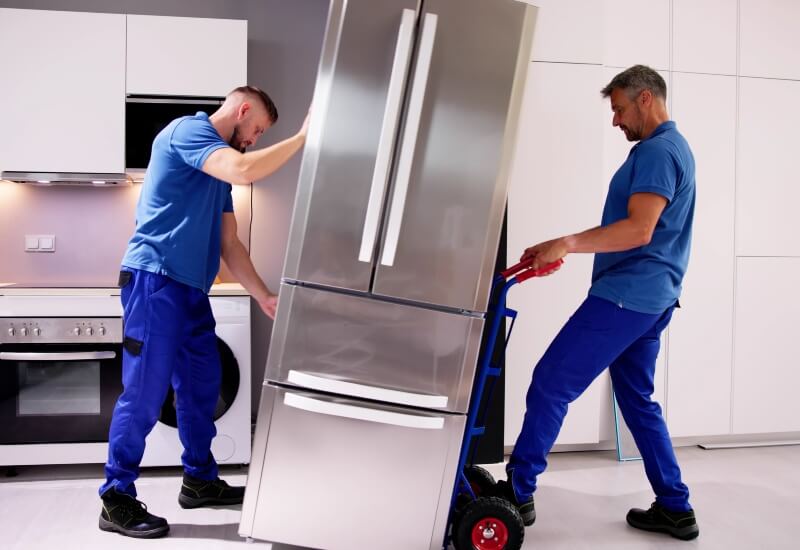
You’d think this would be a simple question. Someone breaks your equipment, they pay for it. That’s how it works in regular life.
Commercial moves don’t follow regular life rules. A walk-in unit or a six-door restaurant fridge can cost twenty grand or more, and when one of those gets dropped, dented, or has its compressor knocked loose, claims over commercial equipment damage can take weeks or months to resolve. Sometimes they don’t get resolved without a lawyer getting involved.
Most business owners only find out how thin their protection is after something goes wrong. The moving contract they signed three weeks ago, the certificate of insurance they barely glanced at, and the rider their commercial policy supposedly includes. None of it reads the way they assumed. By then, the negotiating room is gone, and the claim becomes a long, expensive conversation.
Read the Moving Contract Before You Sign Anything
Commercial moving contracts are typically drafted to protect the moving company’s liability exposure. They tend to limit liability to a flat rate per pound, often around 60 cents.
That’s fine if you’re moving filing cabinets. Bad if you’re moving a $15,000 fridge weighing 700 pounds. According to the FMCSA’s guidance on mover liability, released-value protection caps a mover at 60 cents per pound per article, which on a heavy commercial unit can leave you swallowing thousands in damage.
Full-value protection costs more upfront. It also covers the actual replacement cost, which matters when the equipment is the thing your business uses to make money. Licensed and insured movers should explain both valuation options clearly before any paperwork gets signed, and if the walkthrough feels rushed, that’s a sign to slow down.
Some contracts also carve out language about pre-existing conditions, mechanical failures, and “internal damage not visible at point of delivery.” Translation: if the unit fires up and runs for a day, then quits a week later because something internal got jostled in transport, the moving company can deny the claim based on those contract terms or policy exclusions. Ask about that language before you sign.
Worker Injuries Change the Whole Picture
Heavy commercial equipment puts a different layer of risk on every move. If a mover hurts themselves dragging your unit out of a building, that workers’ compensation claim usually stays with the moving company’s insurance. But if a friend, an employee, or a “guy who helps out sometimes” gets hurt helping you load that fridge onto a borrowed truck, liability exposure becomes more complicated quickly. In situations where injuries or property damage could lead to legal claims, maintaining adequate general liability insurance Alabama coverage can help businesses better manage these potential risks.
Property owners and tenants can both end up named in injury suits. Your general liability policy might cover it. It might not. A lot depends on whether the person was acting as an employee, an independent contractor, or just doing a favor. OSHA’s guidance on heavy lifting notes that lifting loads heavier than about 50 pounds raises injury risk significantly, and a commercial refrigerator clears that threshold by an order of magnitude.
One of the simplest risk-reduction steps is verifying that movers and contractors carry active insurance coverage before work begins. Ask for the certificate. Look at the dates. Confirm it covers commercial property, not just residential.
Where Insurance Usually Fails Business Owners
Two policies tend to overlap during a commercial move, and the overlap is where claims get denied. Your commercial property policy covers the equipment while it sits in the building. The mover’s cargo policy covers it while it’s on their truck. The handoff between those two coverages is messy.
Damage that happens while the unit is being wheeled out of the building? Could fall under either, or neither, depending on how the policies are written. Some carriers will deny a claim simply because the equipment was “in transit” rather than at a covered location, even if the actual damage happened in the loading dock.
The point is to know what your policy says before the claim, not after. Pull it out, read the cargo and transit clauses, and ask your agent specifically how a loading-dock incident would be handled. Vague answers are a red flag.
What to Document Before the Truck Pulls Away
Before any of this turns into a claim, the move itself has to go right. The practical side, how the unit gets disconnected, padded, dollied, ramped, and secured for transport, matters as much as the paperwork. For a step-by-step look at what a commercial refrigerator move actually involves on the ground, this Best of Utah appliance moving guide breaks down the logistics in plain language.
If you end up in a dispute, your case usually comes down to documentation. Experienced commercial movers document appliance condition before transport, and professional crews use appliance dollies, padding, and loading protocols designed for heavy equipment. But the records they keep are theirs. You need your own.
That means before-and-after photos with timestamps, a signed inventory list, service records proving the unit ran when it left, and an itemized estimate for repair or replacement.
People don’t take this stuff seriously until they need it. Then it’s too late, because the photos don’t exist, the inventory was signed without reading, and the claim process may already be moving toward a coverage dispute.
A short checklist that’s saved a lot of business owners headaches:
- Walk around the equipment with the mover and shoot video of every side
- Get the model number, serial number, and current condition written on the inventory
- Note any existing dings or scratches on the paperwork before signing
- Save delivery receipts and any communication about the condition on arrival
Reputable movers encourage this kind of inventory verification because it protects both sides. If a crew pushes back on careful documentation, that’s worth paying attention to.
When to Call a Lawyer
Small claims courts often handle damages up to a set limit, somewhere between $7,500 and $15,000 depending on the state. Below that, you can often manage on your own. Above that, the math changes.
If a mover refuses to cover a clearly documented loss, or if the claim process stalls for weeks without a clear coverage decision, talking to an attorney early is usually cheaper than waiting. A demand letter on legal letterhead settles a surprising number of these cases without going to court. Attorneys who handle property damage or commercial contract disputes often offer free consultations, so the early conversation costs nothing.
The mistake people make is treating the claim like a customer service problem. It’s not. It’s a legal matter from the day the damage happens. The sooner you treat it that way, the better your odds of getting paid.