Video Game Addiction Lawsuit: Claims, Risks, and Legal Rights
The video game addiction lawsuit is gaining traction as more and more families begin to question the responsibility of major video game companies with regard to the damage that is being caused by addictive video games. What was once viewed as a healthy form of entertainment for children is increasingly becoming a major issue with regard to the psychological health of some of these players. Experts are sounding the alarm as complaints begin to appear that certain video games were designed to be addictive.
This resource is a one-stop guide that offers information about video game addiction lawsuit filings, including the motivations behind such filings, who is eligible for filing, what type of damages can be claimed, and what the next course of action should be for affected families. Have you checked our detailed guide on Xarelto Lawsuit Update.
Understanding Video Game Addiction
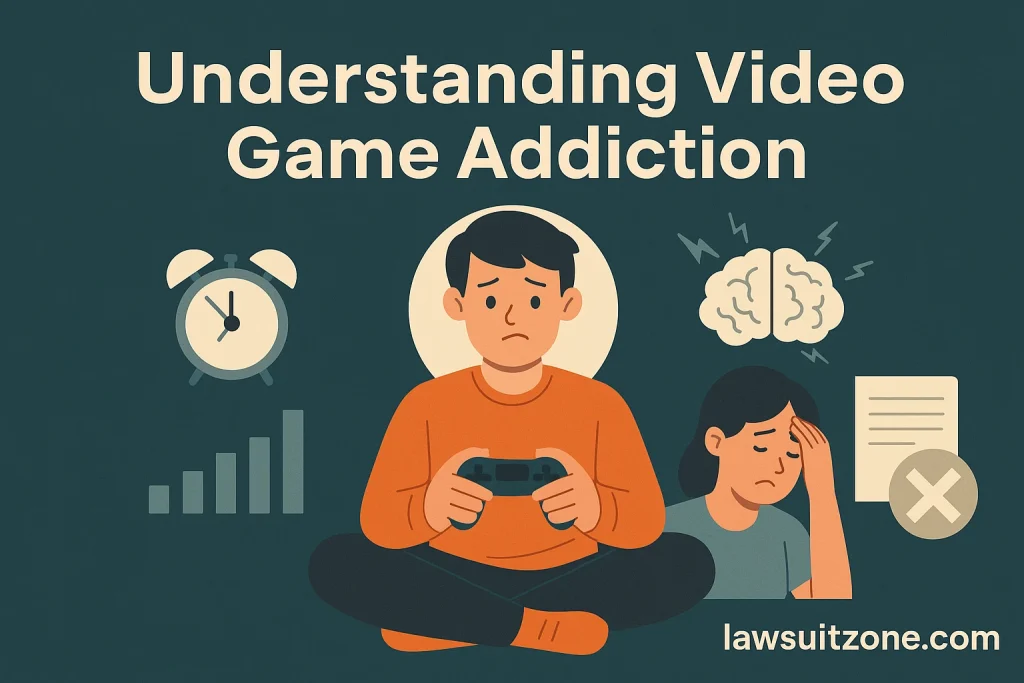
Video game addiction, also referred to as gaming disorder, emerges as a result where an individual is no longer in control of their gaming behaviors, despite the negative effects that result from playing these games.
Some of the common signs of:
- Lack of ability to inhibit or moderate gaming activities
- Irritability or anger when not playing
- Neglect of school, work, or family
- Sleep deprivation
- Anxiety or depression
Such behaviors are often cited as evidence in video game addiction lawsuits, especially in child cases.
Why Video Game Addiction Lawsuits Are Increasing
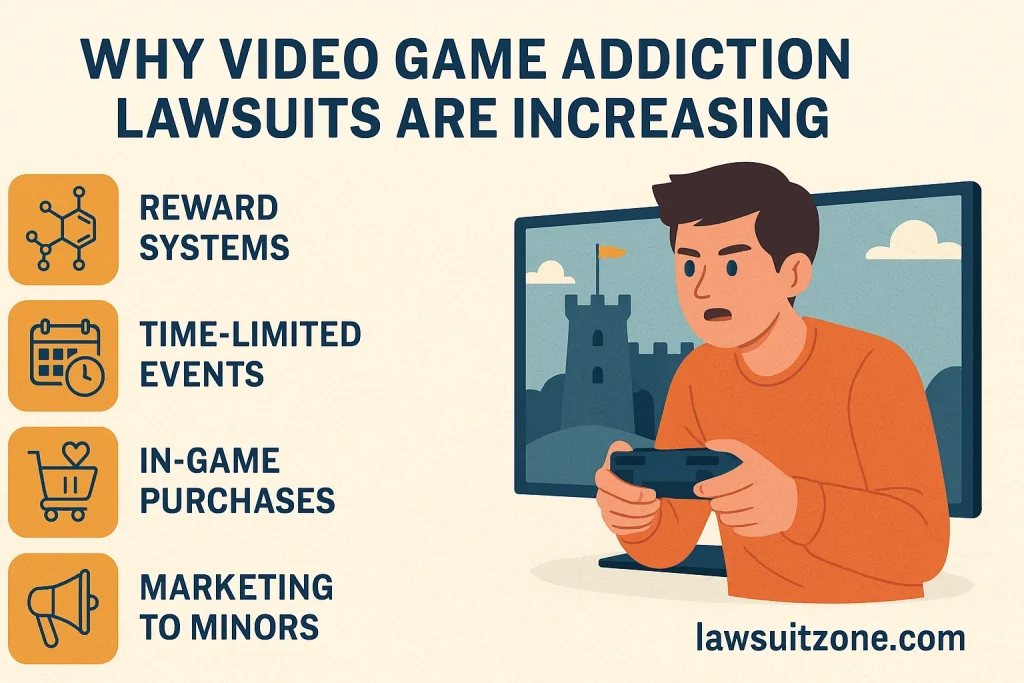
This video game lawsuit trial is linked to the evidence of psychological game design strategies to entice players for prolonged periods of time that some video games employ. These lawsuits believe that this practice is more of exploitation than entertainment.
Factors that contribute significantly to lawsuits include:
- Examples of reward systems that trigger dopamine release
- Time-limited challenges spurring endless playing
- In-game purchases targeting emotional vulnerability
- Marketing targeting children and young people
- Absence of distinct health warnings
Plaintiffs claim that such practices rank their own profits higher than the players’ health.
How Gaming Companies May Be Held
A video game addiction lawsuit typically takes into account the argument that video game companies were negligent about their responsibility to warn players about the dangers of video game addiction. A lawsuit could include allegations of deceptive marketing practices, in which the companies duped players into playing too much.
Legal arguments may be:
- Lack of disclosure of addiction risks
- Poor design of gameplay mechanics
- Consumer protection violations
- Injury to minors
Courts are increasingly faced with the question of whether addiction-motivated design can constitute a basis for legal responsibility.
Status of Lawsuits for Video Game Addiction
The legal framework that scaffolds lawsuits related to video game addiction is still evolving. Though there are no massive global settlements yet, some instances are in court.
Notable trends include:
- Lawsuits filed by parents through class-action suits
- Loot boxes investigations by governments
- More expert testimony by psychologists
- Conversations about regulation in various nations
As more people become aware of the situation, it is likely that more lawsuits will ensue.
Games Often Discussed in Lawsuits
Not all video games are alleged to be addictive products. Lawsuits tend to center on games that employ techniques of continuous engagement.
These include:
- Online Multi-Player Games
- Mobile games with microtransactions
- Loot boxes or luck-based rewards in games
- Competitive ranking games
These elements are regularly cited in a video game addiction lawsuit as factors that contribute to the compulsive behavior.
Children & Teens: The Heart of All Complaints
Minors are key players in video game addiction cases. Minors cannot distinguish between what is real and what is manipulative in video games.
Some of the negative effects include:
- Falling levels of academic achievement
- Behavioral changes
- Social withdrawal
- Instability
- Overspending through parental funds
Parents tend to claim that they were not adequately warned of such dangers.
Clinical and Scientific Proof for Lawsuits
Recognition by the medical community is an essential step for improving a video game addiction lawsuit. It is increasingly found that too much video gaming can influence the functioning of the brain.
It is pertinent to note that the World Health Organization recognized “gaming disorder” as a diagnosable condition, adding a weight of authority to the allegations.
This is evidence that confirms the perception that video game addiction is a real health issue that is more complex than poor self-regulation.
Loot Boxes and Gambling-Like Elements
Loot boxes are one of the most disputable features that are mentioned in video game addiction lawsuits. Loot boxes enable players to purchase rewards using real money with random outcomes.
Concerns include:
- Encouraging repeat business
- Targeting younger users
- Financial dependence creation
- Transparency issues
Some nations have limited or prohibited loot boxes, which makes it easier for nations that are yet to do so to strengthen their own legal cases.
Who May Pursue a Video Game Addiction Claim?
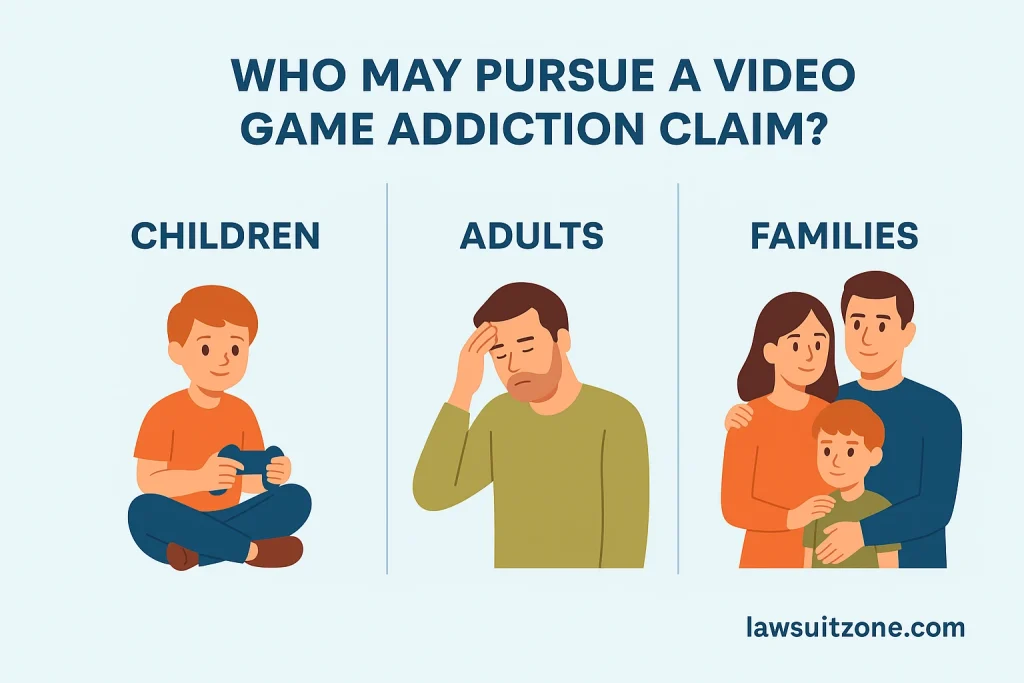
You or your family members could file a video game addiction lawsuit if:
- A child or an adult displayed compulsive gaming behavior
- Treatment for psychological issues was a necessity
- There was educational or career damage
- Financial losses were caused by purchases that took place in the game
Evidence such as medical reports, school records, or purchase receipts could be submitted for support.
Kinds of Compensation Sought in Lawsuits Against Video Game Addiction
Plaintiffs can claim damages for:
- Counseling and therapy fees
- Education disruptions
- Lost wages or opportunities
- Emotional pain
- Money lost in micro-transactions
In some instances, the lawsuit also seeks punitive damages with the aim of preventing practices that are harmful to the public.
Class Actions vs. Individual Lawsuits
Quite a number of video game suits are brought in the form of class actions. This allows a number of plaintiffs to sue together.
Class actions can:
- Reduce legal costs
- Enhance negotiating power
- Be a major catalyst for change
Nonetheless, individual cases could be more suited to severe instances.
Standard Defenses Adopted by Gaming Firms
Usually, these companies would defend themselves with the following argument:
- Video games are optional recreational activities
- Addiction is a personal responsibility
- Parental controls are available
- Lack of intent to do harm
Plaintiffs counter these claims by emphasizing manipulative design and inadequate warnings.
Issues in Proving a Video Game Addiction Lawsuit
Such lawsuits can be complicated. Challenges include:
- Establishing direct causation
- Determining medical diagnoses
- Dealing with industry pressure
- Limited precedent
Despite this, ongoing research is still improving the argument.
Future Directions for Video Game Addiction Lawsuits
Lawyers believe that suits for video game addiction are likely to increase as:
- Scientific research broadens
- Governments increase regulations
- Awareness increases among the public
- Courts weigh online damage
Future court decisions could influence the design and marketing of games.
Steps That Should Be Taken by the Victims or Their Families
If video game addiction has inflicted any damage:
- Record gaming behaviors and expenditures
- See a doctor for a medical assessment
- Document records and communications
- Call an experienced attorney
Acting early could safeguard legal rights.
Choosing the Right Lawyer
A good attorney can:
- Evaluate eligibility
- Collect expert testimony
- Manage large-scale disputes
- Claim maximum compensation
Most lawyers in this area do not charge fees upfront.
Frequently Asked Questions
Final Thoughts
A lawsuit about video game addiction is a sign of an expanding need for accountability in the digital games business. As more evidence emerges, these lawsuits could signal a shift in the way games are developed, packaged, and regulated. In cases of gaming addiction, recognition of legal rights can provide hope of accountability, recovery, and positive change for those involved.