LDS Church Lawsuit: A Complete Legal Guide for Victims and Families
Introduction
The LDS Church lawsuit has drawn national and international attention as survivors and families come forward with allegations involving abuse, institutional negligence, and failure to protect vulnerable individuals. The Church of Jesus Christ of Latter-day Saints (LDS Church), one of the largest religious organizations in the world, now faces multiple lawsuits alleging that church leadership failed to report abuse and allowed harmful conduct to continue.
For many victims, these lawsuits are not only about financial compensation but also about accountability, transparency, and justice. This guide explains everything you need to know about the LDS Church lawsuit, including the allegations, legal grounds, who may qualify, and what steps victims can take. Have you checked our detailed guide on Dry Shampoo Lawsuit.
What Is the LDS Church Lawsuit?
The LDS Church lawsuit refers to legal actions filed by survivors who allege sexual abuse, misconduct, or cover-ups involving church leaders, members, or volunteers. Many of these cases claim that church authorities were aware of abuse allegations but failed to report them to law enforcement or take appropriate action.
Plaintiffs argue that institutional policies prioritized the reputation of the church over the safety of children and vulnerable individuals. These lawsuits seek to hold the LDS Church legally responsible for negligence and failure to protect.
Common Allegations in LDS Church Lawsuits
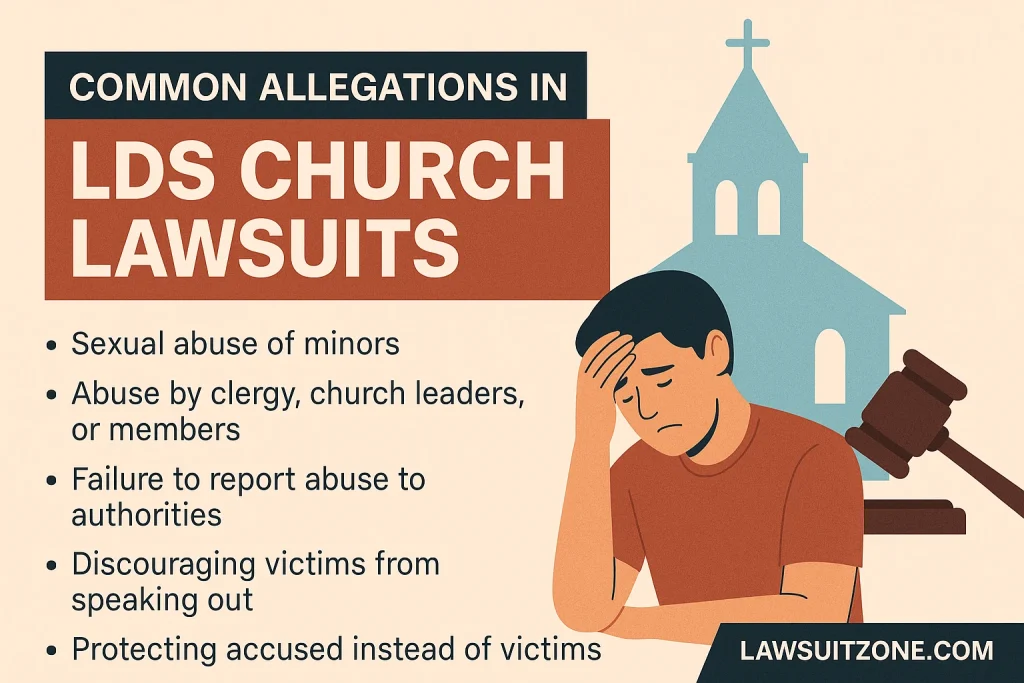
LDS Church lawsuits often involve serious and troubling allegations, including:
- Sexual abuse of minors
- Abuse by clergy, church leaders, or trusted members
- Failure to report abuse to authorities
- Discouraging victims from speaking out
- Protecting accused individuals instead of victims
Many lawsuits allege that abuse continued for years because church leadership failed to intervene.
Why These Lawsuits Are Being Filed Now
In recent years, changes in state laws have allowed survivors to file lawsuits even decades after abuse occurred. These legal reforms, often called “lookback windows,” temporarily remove statutes of limitations for child sexual abuse cases.
As a result, many survivors who were previously unable to seek justice are now coming forward. Increased public awareness and media coverage have also encouraged victims to share their experiences.
Legal Basis for an LDS Church Lawsuit
Several legal claims may apply in an LDS Church lawsuit, depending on the circumstances.
Negligence
Claims that the church failed to take reasonable steps to protect members from known risks.
Failure to Report
Allegations that church leaders did not report abuse to law enforcement as required by law.
Institutional Liability
Arguments that the church is responsible for actions taken by clergy or leaders acting in an official capacity.
Emotional Distress
Claims related to long-term psychological harm suffered by victims.
Who May Be Eligible to File an LDS Church Lawsuit?
You may be eligible to file an LDS Church lawsuit if:
- You were abused by a church leader, member, or volunteer
- The abuse occurred during church-related activities
- Church officials knew or should have known about the abuse
- You suffered physical, emotional, or psychological harm
Eligibility depends on state laws, the timing of the abuse, and available evidence.
Types of Abuse Reported in LDS Church Cases
Lawsuits involving the LDS Church have reported multiple forms of abuse, including:
- Sexual assault
- Grooming behavior
- Physical abuse
- Psychological manipulation
- Spiritual coercion
Many survivors state that the abuse was compounded by feelings of shame, fear, and pressure to remain silent.
Impact on Victims and Families
The effects of abuse can last a lifetime. Victims involved in LDS Church lawsuits often report:
- Depression and anxiety
- Post-traumatic stress disorder (PTSD)
- Difficulty forming relationships
- Loss of faith or trust
- Ongoing emotional pain
These lawsuits aim to provide victims with validation, resources, and financial support for healing.
Potential Compensation in an LDS Church Lawsuit
Compensation in an LDS Church lawsuit varies depending on the case but may include:
- Medical and therapy expenses
- Long-term mental health care
- Pain and suffering
- Emotional distress damages
- Lost wages or earning capacity
Cases involving severe or prolonged abuse may result in higher settlements or verdicts.
Class Action vs Individual LDS Church Lawsuits
Individual Lawsuits
- Personalized claims
- Higher compensation potential
- Focus on individual harm
Class Action Lawsuits
- Group-based claims
- Lower individual payouts
- Shared legal strategy
An attorney can help determine which approach is most appropriate.
What to Do If You Are Considering Legal Action
If you believe you may have a claim related to an LDS Church lawsuit, consider these steps:
- Seek emotional and medical support
- Document memories, records, or communications
- Preserve any evidence you may have
- Consult a lawyer experienced in abuse cases
- Learn about statute-of-limitations laws in your state
You are not required to face this process alone.
Role of Statute of Limitations
Each state has different time limits for filing abuse lawsuits. Some states allow extended deadlines or temporary lookback windows that reopen old cases.
Because these laws change frequently, speaking with a qualified attorney as soon as possible is crucial.
How These Lawsuits Are Changing Religious Institutions
The LDS Church lawsuit has contributed to broader conversations about accountability within religious organizations. Many institutions are now under pressure to:
- Improve reporting policies
- Increase transparency
- Strengthen safeguarding measures
- Support survivors openly
These legal actions may help prevent future abuse.
Frequently Asked Questions
Conclusion
The LDS Church lawsuit represents a critical step toward justice for survivors who were silenced for years. These legal actions are about more than compensation—they are about accountability, healing, and protecting future generations.
If you or someone you love experienced abuse connected to the LDS Church, understanding your legal rights is an important first step. Help and legal options may still be available.