Baby Formula Lawsuit: The Complete Guide for Parents and Families in 2025
Introduction
The baby formula lawsuit has become one of the most talked-about legal battles for the parents of newborns and premature babies. It centers on claims that certain infant formulas, particularly those made out of cow’s milk, contribute to serious intestinal complications in premature babies.
For so many families, this is not just about a lawsuit; it’s about corporate accountability, trust, and the safety of the products designed to nourish the most vulnerable members of society. This article will outline what the lawsuit is about, how it began, who can file a claim, potential compensation, and how these cases may change the future of infant nutrition. Have you checked our detailed guide on NEC Lawsuit.
What Is the Baby Formula Lawsuit?
The baby formula lawsuit refers to a series of legal actions filed by parents who say popular brands of cow’s milk-based infant formulas caused or contributed to life-threatening intestinal illnesses in their premature babies.
The essence of these complaints is that the manufacturers advertised their formulas as safe and beneficial for premature or low-birth-weight babies even though medical research showed to the contrary. Parents argue these companies failed to warn doctors and families of known risks while continuing to push their products aggressively to hospitals and neonatal intensive care units.
The families are seeking accountability more than anything else — justice for tragedies they said were preventable.
Why the Baby Formula Lawsuit Exists
Parents of the affected babies claim that they were misled to trust these formulas as medically approved, besides being an alternative to breast milk. Several important reasons are highlighted in the complaints for the lawsuit:
1. Failure to Warn Properly
The complaint accuses manufacturers of being aware of the risk of intestinal injury, yet failing to warn healthcare providers and consumers properly.
2. Deceptive Marketing
Many of those formulas were marketed with soothing language like “clinically tested for preemies” or “safe for hospital use.” Lawsuits claim such language created false confidence among parents and medical professionals.
3. Defective Product Design
It is being claimed that these formulas were inherently unsuitable for premature infants, whose digestive systems cannot easily handle cow’s milk proteins, and thus the product was unsafe for its marketed purpose.
4. Corporate Negligence
According to the charge, the manufacturers ignored mounting research and adverse reports while continuing to sell products with considerable health risks associated.
What Health Issues Are Associated with the Lawsuit?
The principal health condition with focus in the baby formula litigation is necrotizing enterocolitis (NEC), a dangerous gastrointestinal disease.
What Is NEC?
NEC is an inflammation of the intestinal tissue that can cause the intestinal wall to deteriorate and even completely die off in severe cases. This can lead to infection and sepsis, or the need for immediate surgery to remove sections of the intestine.
Symptoms of NEC in Infants Include:
- Swollen or tender abdomen
- Vomiting or difficulty feeding
- Blood in the stool
- Lethargy or extreme tiredness
- Temperature instability
- Rapid breathing or heartbeat
This, however, places premature babies in a critical position, as their intestines are not fully developed. Various studies have found that feeding cow’s milk formula to such infants may increase the rate of NEC when compared with human breast milk or milk-based fortifiers.
The Emotional and Financial Impact on Families
Behind every case is a story of heartbreak. Parents have described feelings of guilt, confusion, and betrayal — wondering how something as necessary as baby formula could injure their child.
The medical bills for NEC or similar complications can easily reach tens of thousands of dollars, not including the emotional toll it takes or time lost from work. Some families have had to deal with multiple surgeries for their infants, long stays in the NICU, or even lifelong digestive challenges.
The lawsuits seek to compensate these families for medical expenses, emotional distress, the loss of income, and in some cases, wrongful death.
The Baby Formula Lawsuit Timeline
While individual lawsuits may differ in some respects, most follow a similar timeline of discovery, filing, and consolidation.
- Early 2020s: Doctors begin to publicly discuss a potential link between cow’s milk-based formulas and NEC in preterm infants.
- 2022: The first lawsuits are filed by parents whose premature babies developed NEC.
- 2023: Multiple cases are combined into multidistrict litigation in federal court, in an effort to facilitate evidence gathering and discovery.
- 2024–2025: Bellwether trials begin — a handful of representative cases tested before a jury to set the stage for settlements.
- 2026 onwards: Negotiations and possible global settlements expected.
Who May File a Baby Formula Lawsuit?
You may be eligible to file a baby formula lawsuit if your child:
- Was born prematurely or at low birth weight
- Was fed cow’s milk-based formula in the hospital or NICU
- Was diagnosed with NEC or other intestinal complications
- Required surgery or long-term medical treatment
- Suffered lasting health problems or death
Even without knowing what formula was used, hospital records may have feeding logs and product information that will help confirm your case.
You need an attorney who specializes in product liability or medical injury lawsuits to review your records and determine eligibility.
Legal Grounds Behind the Lawsuit
These lawsuits are based on well-established laws of product liability and consumer protection. Here’s how they apply:
Negligence
The companies had a duty to ensure their products were safe and to warn of known risks — and they allegedly failed to do so.
Failure to Warn
A major focus of these lawsuits is the lack of adequate warnings about NEC risks, especially for premature babies.
Strict Liability
Under strict liability, a firm may be held liable for injuries caused by its product whether an intent to harm can be shown or proper procedures were adhered to.
Misrepresentation
Misleading claims on safety and suitability for premature infants could have been made by manufacturers.
Wrongful Death
Families of children who died due to complications of NEC may seek additional damages under wrongful death statutes.
What Compensation Could Families Receive?
Every case is different, but some categories of possible compensation include:
- Medical expenses: hospitalization, surgical procedures, medicines, and follow-up
- Pain and suffering: for both the infant and family
- Loss of income: a result of caregiving or missed work
- Funeral and burial costs: in tragic fatal cases
- Punitive damages: intended to punish companies for egregious negligence
While no settlement can make up for what families have had to go through, compensation can help alleviate some of the financial burdens and bring about a modicum of justice.
How the Baby Formula Lawsuit Works
Step 1: Free Consultation
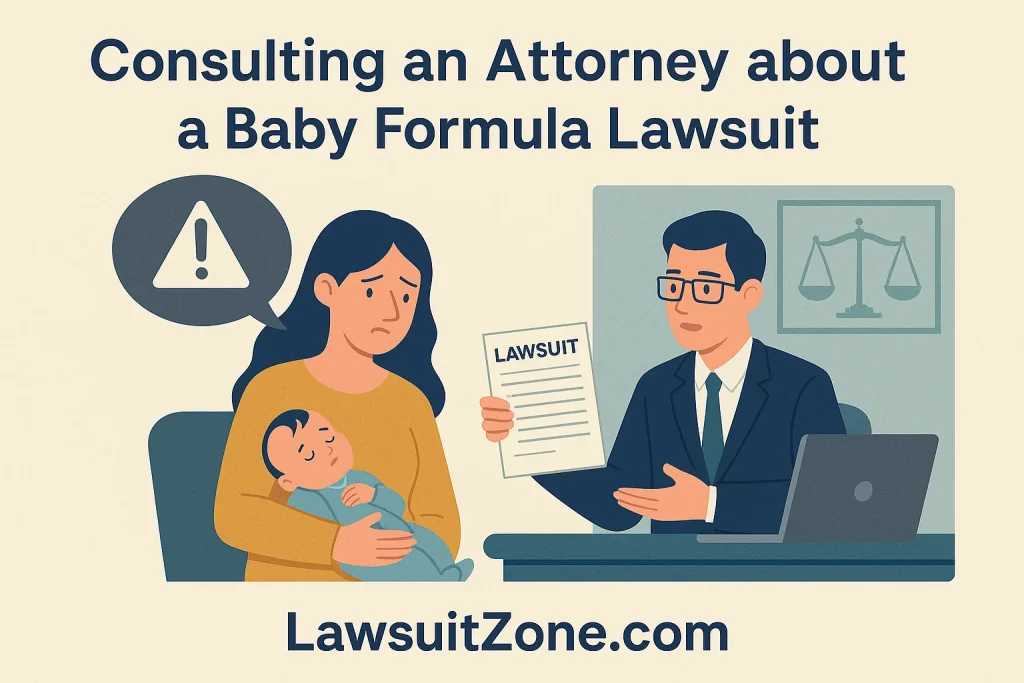
Usually, the parents consult with a lawyer dealing in product injury cases. The lawyer scrutinizes the baby’s medical records, feeding details, and hospital information.
Step 2: Filing the Case
A formal complaint is submitted to the court, naming the manufacturer(s) as defendants if there is indeed a strong case.
Step 3: Evidence Collection
Discovery is that stage wherein internal company documents, scientific studies, and expert testimony are gathered.
Step 4: Bellwether Trials
A few cases are tried initially to ascertain potential verdicts and determine settlement ranges.
Step 5: Settlement or Verdict
After bellwether results, manufacturers may offer to settle, a process that could avoid lengthy trials. After that, families can choose to accept or continue litigation.
Why Acting Fast Matters
Most states limit how long you have to file a lawsuit through a statute of limitations — often one to three years from when the injury was discovered.
If you think that your baby may have been affected, you should consult an attorney soon. Waiting too long could make you ineligible for compensation, even if your claim is valid.
Broader Effects on Public Health and Industry
The baby formula lawsuit has already had ripple effects throughout the infant nutrition industry.
- Many hospitals and NICUs are reassessing their rules on feeding preemies.
- Regulators are reviewing labeling requirements and formula composition standards.
- Parents are becoming wiser and more aware of the choice between feeding options.
- Manufacturers are under increased pressure to be more transparent and invest in safer formulations.
These lawsuits could shape the next generation of baby nutrition standards, ensuring better safety testing before products reach newborns.
How to Protect Your Rights as a Parent
If you believe that your baby was affected, here are the key steps to take immediately:
- Gather medical records, including feeding charts and discharge summaries.
- Document symptoms — keep a journal of medical treatments and complications.
- Save receipts and bills — proof of your financial burden strengthens your case.
- Avoid discussions on social media — public statements can sometimes hurt your claim.
- Contact an experienced attorney today — infant product liability lawyers will keep you protected.
Taking early and organized action helps ensure your case is heard and your family’s rights are protected.
FAQs About the Baby Formula Lawsuit
Final Thoughts
The baby formula lawsuit is not about money; it’s about accountability, safety, and the right for every parent to trust the products they feed their child.
These suits underline a key reality: when companies put profit over transparency, the impact on families can be devastating. Parents, through class-action litigation, are not just seeking justice but also compelling change in the marketing, testing, and regulation of infant formulas.
If your family has been affected, remember: You are not alone. Taking action now can help you find answers, compensation, and hope for safer products in the future.
Disclaimer:
Note: This is an informational article and should not be used as legal or medical advice. For situations involving your particular set of circumstances, always seek the guidance of a qualified attorney or healthcare professional.