CarShield Lawsuit: Complete Guide to Consumer Claims and Legal Rights
Introduction
If you’ve bought into a car protection plan or extended car warranty, you likely have heard of CarShield. Over the years, the company has gained national attention — not just for its relentless advertising but for the CarShield lawsuit that brought into question many of its promises about coverage and customer treatment.
To many drivers, CarShield seemed like a safety net — an assurance that when their car broke down, the repairs would be covered. Yet for some, that safety net felt more like a trap. The lawsuit and consumer complaints that fueled it have reshaped how many view extended auto warranties and their reliability.
This guide takes you through every aspect of the class action lawsuit against CarShield — what led to it, what it means for customers, and how you can protect yourself in the future. Have you checked our detailed guide on motorcycle accident lawsuit.
What Is the CarShield Lawsuit?
The CarShield lawsuit refers to several lawsuits and regulatory actions filed because of deceptive marketing, denial of coverage, and unfair business practices. Customers claimed they were misled to believe they were buying comprehensive protection, only to find that many repairs were not covered under the contract.
Essentially, the dispute revolves around one core issue — did CarShield’s advertising match its actual coverage?
Plaintiffs accused the company of exaggerating its coverage in commercials and failing to inform customers about limitations and exclusions. The claims brought on multiple consumer investigations and class-action filings aimed at holding the company accountable.
How CarShield Works
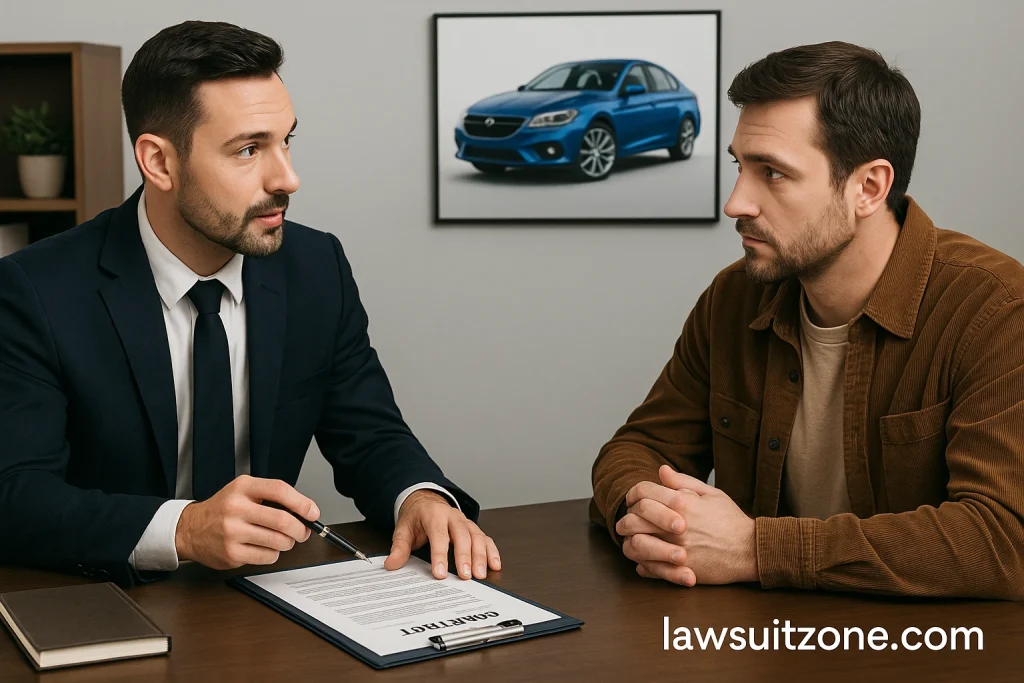
To understand the CarShield lawsuit, it helps to know how the company operates. CarShield sells vehicle service contracts, often referred to as “extended warranties,” though legally they’re not the same thing.
Here’s How It Works:
- Customers pay for a plan either monthly or upfront.
- The plan is supposed to cover the costs of repairs once the manufacturer’s warranty expires.
- In the event of a breakdown, a claim is filed by the customer for CarShield or its administrator to pay the repair bill.
Sounds straightforward — but disputes began when customers found that the repairs they expected to be covered weren’t.
Why the CarShield Lawsuit Happened
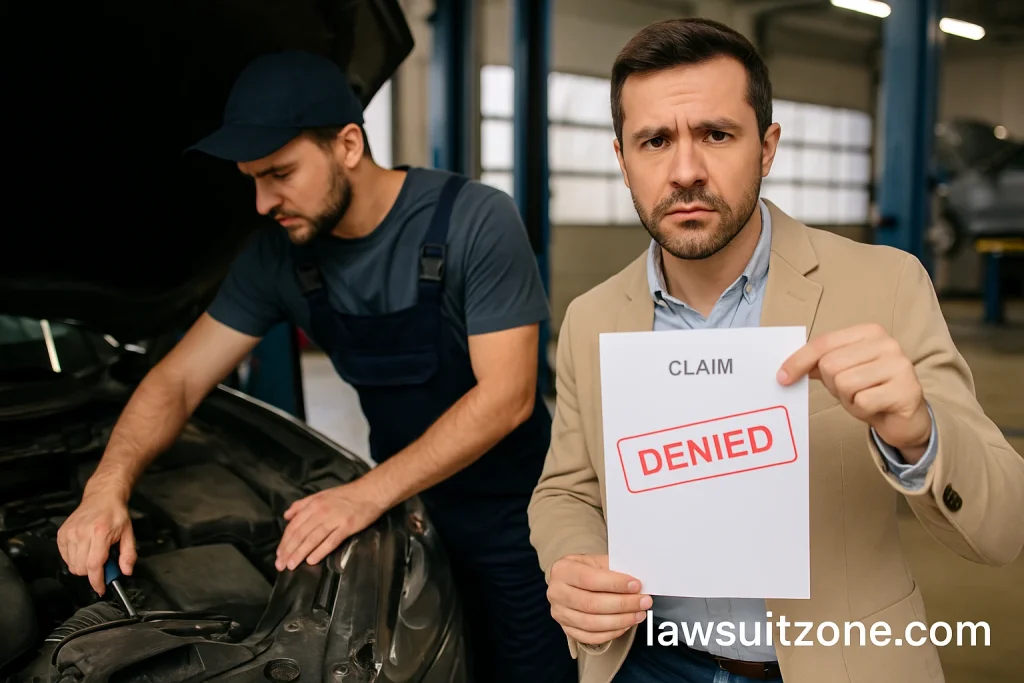
The legal troubles emerged as more and more consumers began reporting that the plans didn’t match the promises. Here’s what triggered the legal actions and complaints:
1. Misleading Marketing
CarShield aired high-energy ads promising “worry-free driving,” “complete coverage,” and “no unexpected repair bills.” However, many customers said the fine print told a different story — limited coverage, exclusions, and strict claim procedures.
2. Denied or Delayed Claims
Many consumers reported being denied reimbursement of covered repairs either with very little explanation or, most times, after being asked for excessive documentation.
3. Hidden Fees and Deductibles
Some plans allegedly included fees or deductibles not clearly explained in the sales pitch but then appeared in billing or in processing claims.
4. Celebrity Endorsements
The service sounded reliable and trustworthy, especially since endorsements came from well-known personalities. Lawsuits accused the company of having some endorsements imply personal use of the service when that wasn’t necessarily true.
5. Contract Confusion
Many customers reported not receiving the full contract before signing up and therefore did not know about exclusions and limits.
All these issues together formed the basis of the lawsuit filed against CarShield, where customers demanded accountability and refunds for unfulfilled promises.
Major Allegations
Here’s a summary of the central allegations made in the CarShield lawsuit:
- False Advertising: Advertisements exaggerated the level of protection.
- Breach of Contract: The repairs that were to be covered were denied.
- Unfair Trade Practices: It employed hard-sell techniques without disclosing program limitations.
- Failure to Refund: Consumers reported that several requests for cancellation and refunds were either delayed or rejected.
These allegations became highly scrutinized legally and criticized publicly, compelling the company to revisit its practices and clarify its contracts.
The Company’s Response
CarShield has always denied any wrongdoing, saying the contracts are valid service agreements and that consumers often misunderstand them because they do not read their agreements thoroughly.
The company stressed that:
- Every customer gets a complete contract specifying coverages before payment.
- Denied claims are normally based on pre-existing conditions, lack of maintenance, or non-covered parts.
- The company provides several levels of protection, with customers selecting their plan of choice.
CarShield insists it is committed to transparency, better customer service, and efficient claim processing to restore driver trust.
Who Can Be Affected
You may fall under one of the categories below if you have ever bought or subscribed to a protection plan offered by CarShield:
- Denied Claimants: You filed a claim that was denied.
- Misled Consumers: You were promised “full coverage” but later learned of exclusions.
- Delays in Cancellation: You tried to cancel your plan but were charged for extra months.
- Billing Discrepancies: You were billed inconsistent or unexplained amounts.
You may be entitled to a refund or individual compensation — even if your case hasn’t been part of a class action — if you can prove financial loss or misleading sales tactics.
Consumer Feedback — Common Complaints
Patterns that emerged among complainants included:
- Repairs classified as “wear and tear” instead of covered damage.
- Lengthy claim-processing delays leaving unpaid repair bills.
- Difficulty reaching customer support.
- Lack of cooperation between CarShield, mechanics, and administrators.
- Unclear refund procedures when customers tried to cancel early.
These complaints formed the narrative that eventually gave rise to the CarShield lawsuit.
Legal Principles Behind the Case
Several important legal principles are involved in the class-action lawsuit against CarShield, and understanding them helps consumers identify their rights.
Consumer Protection Law
Most states have adopted consumer protection statutes that prohibit unfair or deceptive business practices. If advertising is misleading or confusing to an ordinary purchaser, it may be legally actionable.
Breach of Contract
A company can be held liable for breach of contract if it promises coverage and fails to deliver it as agreed upon in writing.
Misrepresentation
Misrepresentation occurs when salespeople or advertisements make false or exaggerated claims that induce customers to buy.
Arbitration Clauses
Many service contracts include arbitration requirements that limit customers’ rights to sue in court. Recent cases, however, have questioned such provisions as unfair.
Lessons for Customers
1. Always Read the Fine Print
Before you sign a vehicle service contract, read every clause — especially exclusions, deductibles, and claim procedures.
2. Ask Specific Questions
If an ad promises “full coverage,” ask exactly what is covered, how repairs are approved, and whether you can use your mechanic of choice.
3. Keep Detailed Records
Keep copies of your policy, claim forms, repair bills, and communications. This documentation can help prove your case if you need to dispute a decision.
4. Beware of Pressure Sales
Aggressive sales tactics can push “limited-time offers” that rush you without time for review. Take your time comparing plans.
5. Contact Regulators
If you suspect deceptive practices, inform your state attorney general’s office or the consumer protection bureau. Many lawsuits begin because enough customers file consistent complaints.
Financial Impact and Settlements
The class-action lawsuit against CarShield has had a significant financial impact on both the company and its consumers, with settlements and refunds granted to qualifying customers while other cases are still pending resolution.
These cases highlight the importance of transparency in communication, clear documentation, and easy cancellation options for firms dealing in service contracts.
For consumers, the takeaway is clear: document everything and stay aware of your contractual rights.
How to Protect Yourself from Similar Issues
If you’re considering any vehicle service contract — not just from CarShield — keep these points in mind:
- Compare coverage plans before signing up; don’t assume all companies offer the same protection.
- Verify independent third-party reviews rather than relying on celebrity endorsements.
- Check refund policies before making payments.
- Make sure repair shops in your area accept the plan before purchasing.
- Avoid phone-based sales where terms are rushed or unclear.
Informed consumers are always the hardest to mislead.
Broader Industry Implications
The CarShield lawsuit didn’t just affect one company — it sent shockwaves through the entire extended-warranty and service-contract industry.
Regulators are now focusing more closely on:
- Transparency in sales calls and advertising.
- Disclosure of exclusions and limitations.
- Accuracy of endorsements and testimonials.
- Clear cancellation and refund options.
This added scrutiny may ultimately improve consumer protection by ensuring companies emphasize honesty over hype.
Frequently Asked Questions (FAQs)
Real-World Examples
Many drivers joined the CarShield lawsuit after similar experiences:
- One customer paid monthly for more than a year, only to have a major engine repair denied due to “wear and tear.”
- Another driver claimed refund requests were delayed despite repeated cancellations.
- Some customers said repairs were stalled while waiting for claim approval, forcing them to pay upfront.
These examples show why reading contracts and understanding exclusions is critical when signing any agreement.
Moving Forward: What CarShield and Customers Can Learn
The lawsuit is a reminder to CarShield and others that transparency and customer satisfaction must come before aggressive sales. For consumers, it’s a lesson in due diligence — reading contracts, comparing options, and holding businesses accountable.
Since then, CarShield has introduced clearer communication protocols, expanded customer service channels, and stricter compliance checks. While the reputation continues to evolve amid legal challenges, many see this as an opportunity for reform and improvement across the industry.
Final Thoughts
The CarShield lawsuit underscores that in consumer protection, promises mean little if they don’t match what’s written in the contract. For customers, it’s a call to be informed — read every word, save every receipt, and document every interaction. For businesses, it’s a reminder that transparency builds trust, and trust is the foundation of long-term success.
If you’ve experienced denied claims or misleading advertising under any vehicle service plan, you can learn about your rights through consumer-protection organizations such as the Consumer Financial Protection Bureau, a trusted source for consumer education and complaint filing.
This article is for general informational purposes only. It does not provide legal advice or create an attorney-client relationship. For case-specific guidance, consult a qualified attorney.