USAA SafePilot Patent Lawsuit: Complete 2025 Breakdown of Case, Claims & Industry Impact
Introduction
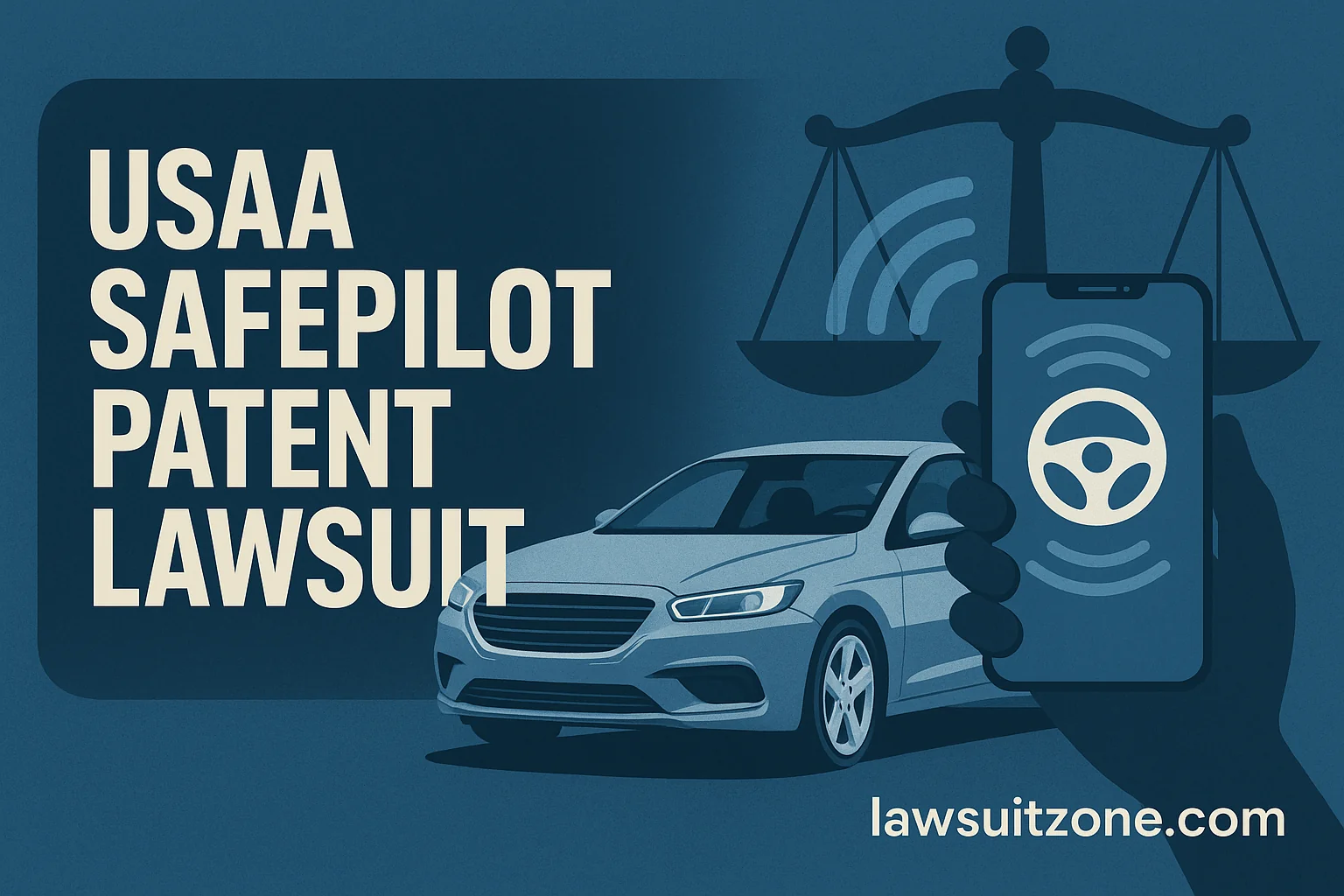
The USAA SafePilot patent lawsuit has quickly become one of the most talked-about legal battles in insurance and technology. It sits at the crossroads of innovation, law, and ethics, raising a fundamental question: Who owns the technology that drives progress?
At its core, the case revolves around allegations that USAA’s SafePilot app, designed to reward safe driving, used patented ideas developed by another company. This legal battle highlights how thin the line has become between inspiration and infringement in the fast-evolving world of telematics.
In this complete guide, we break down the origins, claims, and implications of the case — and how it could reshape both the insurance industry and the future of digital innovation. Have you checked our detailed guide on carguard lawsuit.
Understanding USAA SafePilot
Before diving into the lawsuit, it’s important to understand what SafePilot is and why it matters.
SafePilot is a telematics-based app launched by USAA, a leading insurer serving military members and their families. Using smartphone sensors, GPS, and analytics, the app monitors driving behaviors such as braking, acceleration, phone use, and speed.
Drivers who maintain safe habits earn discounts on their premiums, making SafePilot part of a new era of usage-based insurance (UBI). It’s a blend of technology, trust, and reward — but the same technology now lies at the heart of a patent dispute.
How the Lawsuit Began
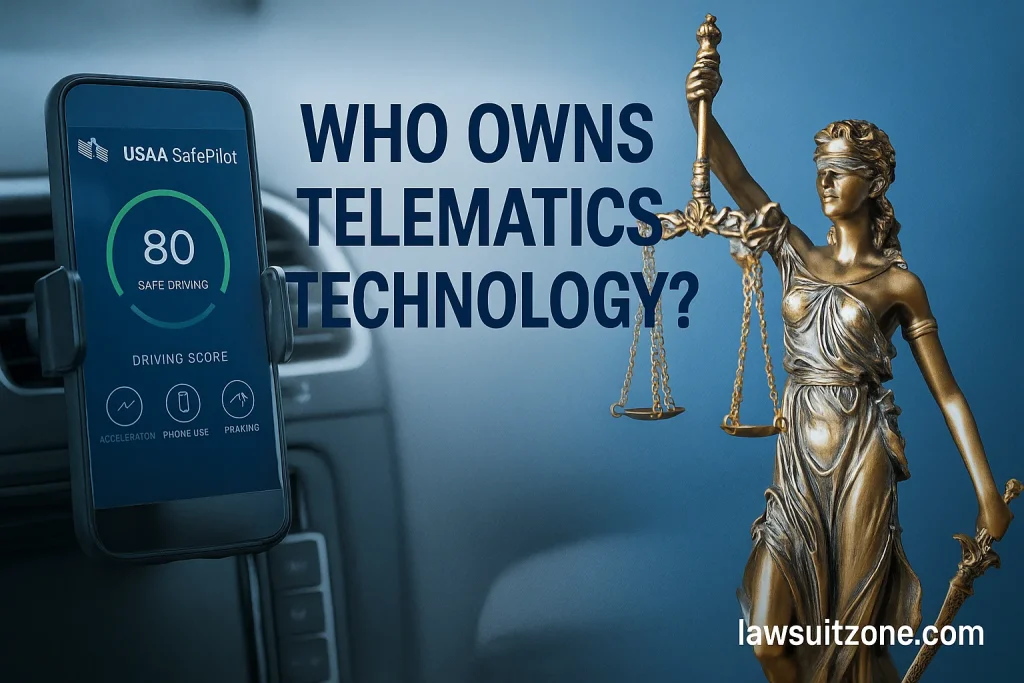
The controversy began when another telematics company accused USAA of infringing its patented systems for measuring driving performance and turning that data into insurance rate adjustments.
According to the lawsuit, USAA’s app used algorithms and features already protected by the plaintiff’s patents — some dating back nearly a decade. These patents allegedly covered the use of mobile sensors, behavior analysis, and the generation of risk scores.
USAA firmly denied the accusations, stating that its app was developed entirely in-house by its own engineers and data scientists. The company also argued that the disputed patents were too broad and reflected common industry standards rather than proprietary innovation.
The Chronology of Events
| Date | Key Development |
|---|---|
| Q1 2023 | Telematics company files patent infringement lawsuit against USAA. |
| Q3 2023 | USAA files to dismiss the case, arguing the patents are overly broad. |
| Q1 2024 | Court denies dismissal; both sides proceed to discovery. |
| Q4 2024 | Mediation begins, with possible settlement discussions. |
| Early 2025 | Trial preparations begin; analysts call it a “precedent-setting” case. |
The case is ongoing, but the outcome will likely shape how telematics products are designed and marketed across the insurance industry.
Legal Issues at the Core of the Dispute
1. Patent Infringement Allegations
The plaintiff claims that SafePilot infringes on specific patents covering how driver data is collected and analyzed. If proven, USAA could face penalties, licensing costs, or forced technology changes.
2. Patent Validity and Scope
USAA argues the patents are too general, describing ideas rather than concrete inventions. Such broad claims are common challenges in tech law, where innovation often overlaps.
3. Proprietary Algorithms
The plaintiff also accuses USAA of copying or reverse-engineering code, an allegation that requires in-depth forensic and expert analysis to verify.
What Is USAA’s Defense?
USAA’s defense focuses on two arguments — independent innovation and industry standards.
The company maintains that SafePilot’s codebase and structure are original. Any similarities, they say, come from shared tools like GPS tracking and data analysis, which are standard across telematics platforms.
USAA also emphasizes its compliance with intellectual property and privacy laws.
In a public statement, a USAA spokesperson said:
“SafePilot represents years of internal research and development. We are confident in our team’s integrity and the originality of our technology.”
The Larger Meaning of the Lawsuit
This isn’t just a fight between two companies — it’s a defining moment for the future of innovation in insurance.
Historically, insurance rates were determined by demographics and past claims. But apps like SafePilot have changed that, offering real-time behavior-based pricing.
If the plaintiff wins, it could slow down innovation by making telematics technology more legally restrictive. If USAA wins, it could encourage broader use of similar apps across the industry, freeing innovation from patent constraints.
Industry Reactions
Reactions have been divided.
Legal experts see the case as a test of how far software-based patents can stretch.
InsurTech startups fear that if the plaintiff wins, it could discourage new companies from building similar apps.
Consumers, meanwhile, may not notice the legal drama — but they could feel its effects later in the form of pricing changes or reduced options.
As one analyst summarized:
“If SafePilot loses, innovation could freeze. If USAA wins, it could open the floodgates for tech-driven insurance.”
Consumer Impact: Why It Matters to Drivers
Although corporate lawsuits can seem abstract, the USAA SafePilot patent lawsuit carries real-world consequences for drivers.
1. Possible Rate Changes
If insurers face higher licensing costs, those expenses might be passed down to customers.
2. Fewer Innovative Tools
Smaller insurers might avoid telematics development, leading to fewer competitive tools for consumers.
3. Privacy Concerns
The case has renewed public concern about how companies collect and use driving data.
Ultimately, consumers benefit when innovation and transparency evolve together — and this lawsuit serves as a reminder that balance is crucial.
Technology at the Heart of the Dispute
At its core, the case focuses on how telematics systems gather and interpret driving data.
SafePilot — like most usage-based insurance apps — monitors acceleration, braking, and phone usage, then calculates a safety score. This score directly affects premium discounts.
The plaintiff claims these processes mirror its patented systems. USAA counters that such features are standard across the telematics field and not unique to any single company. It’s the digital equivalent of two authors writing about the same theme — similar in idea, different in execution.
Legal Precedents and What They Mean
Technology-related patent cases are rarely simple. Courts must decide not only if infringement occurred but also whether the patent itself is valid.
In the U.S., laws like the America Invents Act (AIA) and rulings such as Alice Corp. v. CLS Bank International have already limited overly broad software patents. Many experts believe these same principles will influence the SafePilot case, potentially reshaping the boundaries of intellectual property in telematics.
The Role of Innovation in Insurance
No matter how it ends, this lawsuit has already sparked industry-wide reflection. How can innovation thrive in a world of strict legal oversight?
For USAA, SafePilot was designed to promote safety and savings, rewarding drivers for good habits. But innovation doesn’t come without risk.
Many insurers are now adopting safeguards, including:
- Patent audits before launching products.
- Collaborative licensing with tech partners.
- Dedicated IP compliance teams for oversight.
These steps ensure that creativity is backed by compliance — not conflict.
Expert Views: What Leaders Say
The lawsuit has drawn commentary from experts across fields.
Patent attorneys say USAA’s defense could strengthen the precedent for independent creation.
Tech ethicists highlight the need for corporations to respect intellectual property even when innovation overlaps.
Insurance analysts see it as a watershed moment that will define the pace of technological progress.
As one observer put it:
“This case shows just how far the industry has come — and how much further it must go to align ethics with innovation.”
What Businesses Can Learn
The USAA SafePilot patent lawsuit offers valuable lessons for any company working in tech or data.
- Research Early: Even common technologies might be patented.
- Document Your Work: Keep a record of development to prove originality.
- Prioritize Compliance: Innovation is only sustainable with a legal foundation.
- Be Transparent: Clear communication about data builds customer trust.
Government and Regulatory Response
The ongoing attention around digital IP disputes has led regulators to reconsider how software patents and AI technologies are governed.
In 2025, the United States Patent and Trademark Office (USPTO) remains the leading authority for IP compliance and education.
Possible Outcomes of the Case
- Settlement Agreement: Both sides could reach a confidential licensing deal.
- Court Ruling for the Plaintiff: USAA might face penalties or have to license its technology.
- Court Ruling for USAA: The patents could be invalidated, freeing the industry from similar claims.
- Industry Reform: The verdict may inspire new telematics standards for innovation and fairness.
The Future of SafePilot and Beyond
Despite the legal turbulence, SafePilot continues to operate, helping thousands of drivers save money and improve their habits.
USAA has assured customers that the case won’t impact app functionality or privacy.
Meanwhile, the insurance world is embracing AI, real-time analytics, and risk prediction tools. The lessons from this case will influence how future products are designed and protected.
Key Takeaways
- The USAA SafePilot patent lawsuit reveals the tension between innovation and IP protection.
- Telematics patents remain a legal gray area requiring balance and clarity.
- Consumers may feel indirect effects through pricing or availability.
- The future of insurance depends on blending creativity with compliance.
Frequently Asked Questions (FAQs)
Conclusion
The USAA SafePilot patent lawsuit is more than a corporate dispute — it’s a reflection of how the digital world defines ownership in an age of constant innovation.
For USAA, it’s a test of integrity. For the industry, it’s a wake-up call about respecting intellectual property. And for consumers, it’s a reminder that behind every app or discount lies a complex system of law, technology, and trust.
Whatever the verdict, one fact remains: innovation and accountability must evolve together because that’s how the future of technology will be built.
Disclaimer:
This article is for informational purposes only and should not be taken as legal advice. Always consult a qualified attorney for specific guidance.