Diddy Lawsuit The Entire Guide to Sean “Diddy” Combs’ Legal Case
Introduction
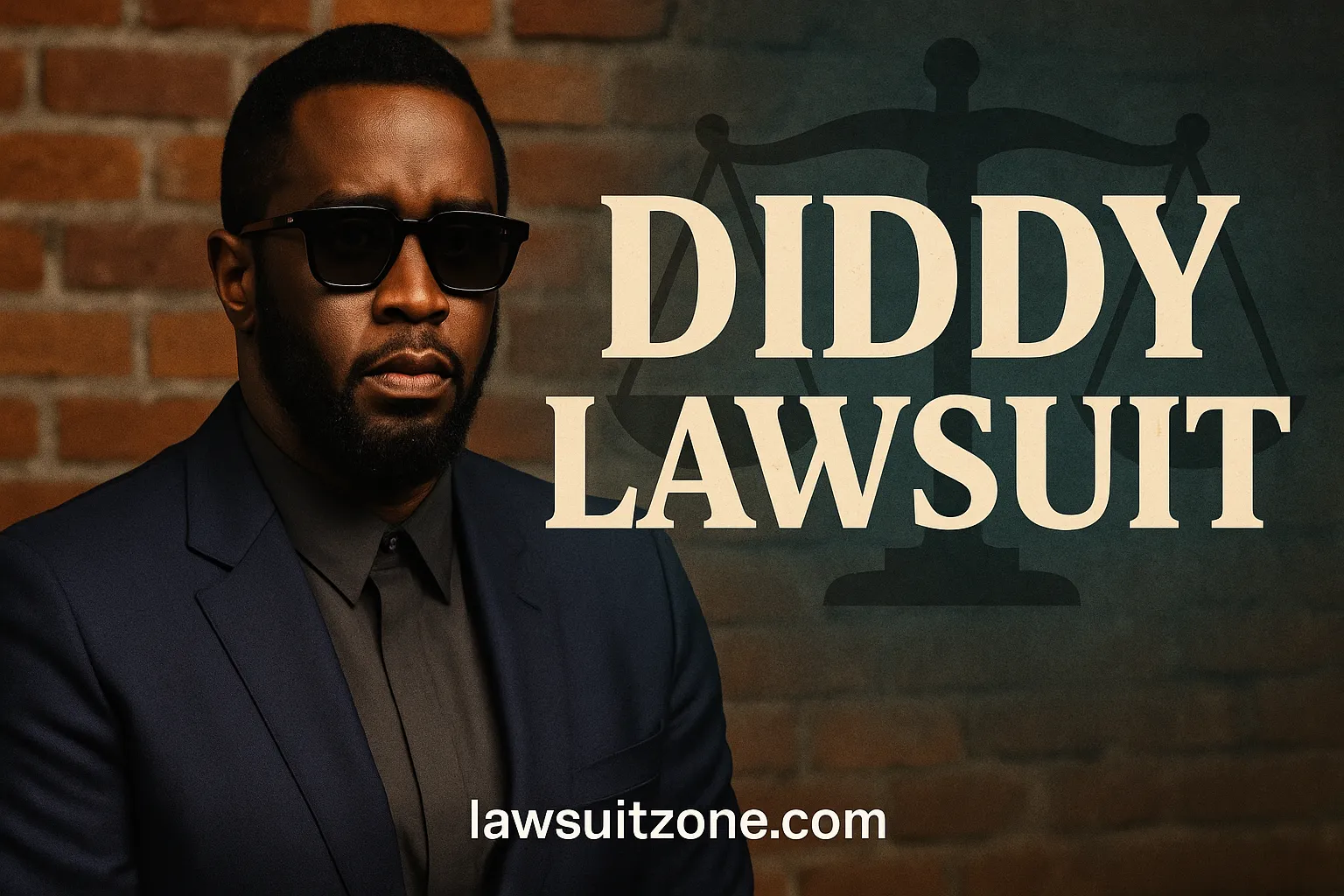
The Diddy lawsuit is one of the most talked-about legal melodramas in the history of entertainment. Sean “Diddy” Combs at one time hailed as a trailblazer of hip-hop and a self-made mogul is now at the forefront of a series of lawsuits for abuse, exploitation, and misconduct.
This comprehensive guide explores every aspect of the controversy from the origins of the allegations to the broader cultural impact in simple, human-friendly language. Whether you’re an artist, fan, or entrepreneur, understanding the Diddy lawsuit offers powerful lessons about fame, responsibility, and justice. Have you checked our detailed guide on Disney Moana Lawsuit.
Who Is Diddy and What Sparked the Lawsuits?
Sean Combs, also known worldwide as Diddy, created an empire of music, fashion, and business. From developing legendary artists to establishing brands that spanned the world, he was a staple of ambition and extravagance.
But behind the glory was trouble. Over the years, a number of people have sued Diddy for sexual assault, physical abuse, manipulation, and human trafficking in civil cases. Combined, these cases have become what is now termed the Diddy lawsuit, a complex legal fight that could define his legacy for good.
The Timeline of Allegations
The First Accusations
The first allegations against Diddy came from former business partners who complained of abuse and intimidation. Initially, these were dismissed as hearsay until official lawsuits started cropping up.
The Tide of New Cases
More and more plaintiffs stepped forward over time, with the same allegations, detailing what was supposed to have happened in business and personal environments. These were allegations of harassment, brutality, and extortion that rocked the entertainment world.
The Public Reaction
The lawsuits generated heated media attention and social-media discussion. Some came to Diddy’s defense, citing his decades of charity and achievement, while others contended that the Diddy lawsuit highlighted long-overlooked problems with power inequities in the entertainment industry.
Central Claims in the Diddy Lawsuit
The allegations differ between cases, but some common themes emerge again and again:
- Sexual abuse and misconduct: Several complainants claim that Diddy employed his power for selfish ends.
- Emotional manipulation: Plaintiffs allege a cycle of control and retaliation when they tried to exit professional relationships.
- Human trafficking and exploitation: Certain lawsuits include severe allegations regarding organized events and unscrupulous treatment.
- Workplace harassment: Ex-employees point to hostile work environments and retaliatory actions.
Each of these accusations adds dimensions of complexity to the Diddy lawsuit, making it one of the most highly followed legal sagas of the decade.
Diddy’s Official Response
Diddy and his attorneys have vehemently refuted all allegations. They assert that:
- The allegations have no credible evidence.
- Numerous events supposedly occurred decades before, out of legal time frames.
- Some plaintiffs are driven by profit or fame.
- Independent examinations have discovered no criminal grounds for several allegations.
In spite of continuous litigation, Diddy still maintains his innocence, characterizing the Diddy lawsuit as an organized effort to ruin his reputation.
Inside the Courtroom
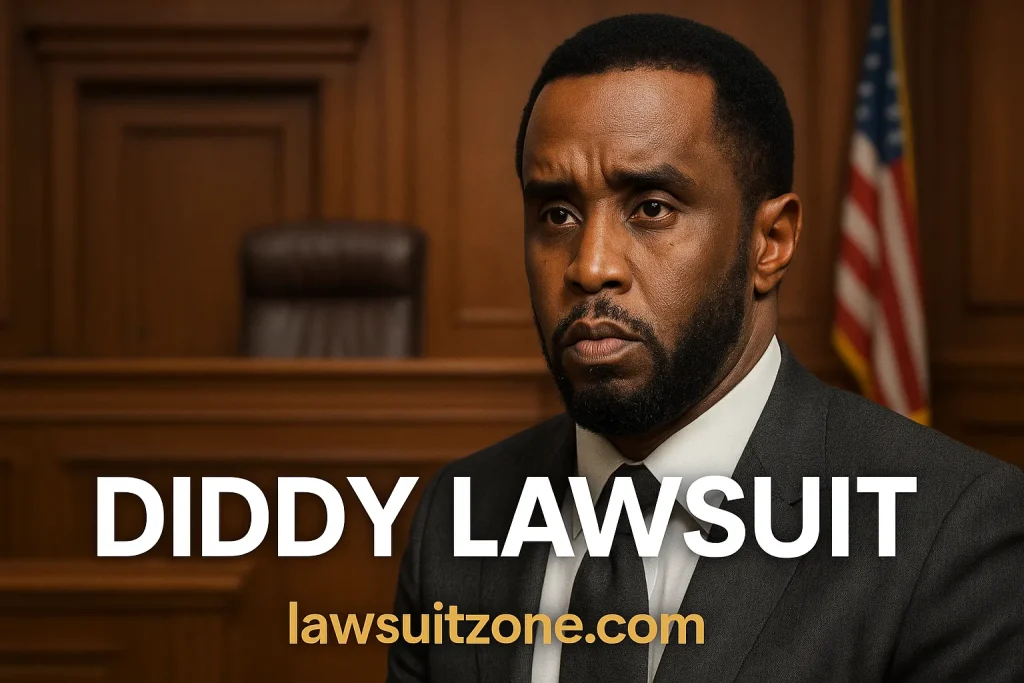
The legal process continues, but there have been a number of significant developments that have informed public perception:
- Multiple filings in multiple states: Since various lawsuits were filed in various states, the process has been fragmented.
- Motions to dismiss: The Diddy team has filed motions to dismiss certain cases for lack of sufficient evidence or technical mistakes.
- Review of evidence: Courts are reviewing documents, letters, and witness testimony from both parties.
- Confidential settlements: Some cases might have been resolved discreetly out of court in an effort to prevent more publicity.
Every new twist in the Diddy lawsuit spurs renewed public interest and speculation regarding possible outcomes.
The Broader Impact on the Music Industry
Redefining Power Dynamics
The entertainment industry has a long history of dealing with questions of influence and exploitation. The Diddy lawsuit brought these questions back into focus, prompting labels, agencies, and studios to revisit policies on internal ethics.
Safeguarding Employees and Artists
Most businesses are now fortifying HR infrastructures to establish more secure workplaces. The Diddy lawsuit has served to demonstrate that even the most influential people can be brought to justice.
Reputation and Brand
For Diddy, the repercussions are not limited to the courtroom. Endorsements, collaborations, and public performances have suffered. In contemporary culture, brand credibility can disintegrate quicker than any judgment can rebuild it.
Lawyers and Analysts Weigh In
Lawyers and analysts see the Diddy lawsuit as a milestone for celebrity liability. They point out that:
- Civil suits have a lower standard of proof than criminal prosecutions.
- Public opinion now serves as a “second court,” usually affecting reputations ahead of verdicts.
These high-profile cases can result in more robust legal safeguards for subsequent victims and whistleblowers.
The case, they contend, serves to illustrate how fame and wealth no longer insulate one from legal culpability.
Evidence, Testimonies, and Legal Challenges
The cases are premised largely on personal testimony. Reconstructing timelines and confirming anecdotes decades later is a great challenge.
Digital evidence like text messages, emails, and event reports are being utilized to corroborate claims. Diddy’s camp refutes the validity and context of portions of such material, asserting that inconsistencies undermine the credibility of the plaintiffs.
This tug-of-war renders the Diddy lawsuit a complicated legal puzzle one likely to take years to ultimately resolve.
Cultural and Social Significance
A Turning Point for Celebrity Accountability
The Diddy lawsuit is an example of a new direction in society’s attitude toward power. Fans now feel comfortable questioning the ethics of their heroes.
Comparisons to Other Movements
Following #MeToo and other social justice movements, survivors feel empowered to speak out. The Diddy lawsuit is part of this broader movement, calling for truth and justice no matter the status.
Media’s Role
The public court too frequently dictates results quicker than the judicial one. Viral stories can destroy career prospects and endorsements prior to formal decisions.
Business and Brand Fallout
Diddy’s various business ventures music, fashion, and liquor all have come under fire.
Corporate sponsors are growing more careful about continuing relationships in the midst of public scandal. Many contracts have allegedly come with “morality clauses” permitting termination if there are legal problems.
Nevertheless, Diddy’s influence still carries weight. Whether his empire recovers fully hinges on the long-term resolution of the lawsuits and his capacity to reestablish trust.
Takeaways for Creators and Businesspeople
The Diddy lawsuit is a strong reminder for artists, executives, and influencers:
- Be transparent in business transactions.
- Create ethical and respectful workplace cultures.
- Document interactions and agreements carefully.
- Comprehend legal and ethical obligations that come with fame.
Compliance and reputation management are no longer choices they’re critical to survival in today’s media.
Potential Diddy Lawsuit Outcomes
There are multiple directions:
- Case Dismissals: Courts may find there’s not enough evidence.
- Settlements: Diddy might opt for private settlements to sidestep long trials.
- Public Trial: If high-profile cases advance, testimony might redefine public opinion.
- Exoneration or Damages: Rulings could leave either side vindicated.
Whatever the outcome, the Diddy lawsuit will establish a significant precedent for how cases against celebrities are managed in the future.
How the Case Reflects Changing Times
This case is not about just one individual it represents a cultural shift. Society no longer tolerates bad behavior and expects accountability, compassion, and moral leadership.
The entertainment world, long shrouded in secrecy, is finally learning to revere integrity alongside talent. The Diddy lawsuit highlights how public outcry can fuel systemic change.
The Emotional Cost Behind the Headlines
Court cases are not business they’re personal. The plaintiffs experience trauma resurfacing, while Diddy is forced to endure the loss of privacy and reputation earned over decades.
Regardless of how it turns out, both parties have emotional wounds. The human cost of the Diddy lawsuit far exceeds the financial investment or media frenzy.
The Larger Perspective: Fame, Power, and Responsibility
Celebrities wield immense influence, but that power comes with moral obligations. The Diddy lawsuit forces both fans and the entertainment world to confront uncomfortable truths about how fame can distort accountability.
It’s also a learning moment for anyone building a personal brand: success without integrity is temporary.
What Artists and Business Leaders Can Learn
For new artists and entrepreneurs, this scandal is a guide to what not to do. Sustaining success involves:
- Respectful relationships.
- Transparent operations.
- Legal awareness.
- Real empathy for partners and fans.
By following these principles, tomorrow’s creators can succeed without encountering the pitfalls exposed by the Diddy lawsuit.
Looking Ahead: What Happens Next?
The lawsuits keep changing, with new case filings and court hearings announced. Diddy’s camp is working on long-term defense strategies while the plaintiffs seek justice through civil means.
The results will impact more than headlines they’ll determine how future generations view accountability in fame and business.
The Lasting Legacy of the Diddy Lawsuit
Whatever the verdicts are, the Diddy lawsuit will be a turning page in pop culture history. It reveals the vulnerability of reputation and the increasing strength of public openness.
If settled in fairness, it may represent a new beginning in the way justice functions for both survivors and stars.
Frequently Asked Questions (FAQs) About the Diddy Lawsuit
Conclusion
The Diddy lawsuit is more than one individual’s courtroom battle it’s a reflection of changing expectations of our culture about justice, morality, and celebrity.
For Sean “Diddy” Combs, the verdict will decide how history judges him: a visionary businessman who survived scandal, or a cautionary figure of hubris and excess.
For the rest of us, it’s a reminder that integrity is the greatest currency of achievement.
In the modern entertainment era, even the brightest stars have to abide by the same laws as the rest of us a principle at the core of fairness and equality.
If you’re interested in understanding how creative rights and entertainment law shape global industries, the World Intellectual Property Organization (WIPO) offers insightful resources on protecting originality and legal compliance.
Disclaimer: This content is for informational and educational purposes only. It does not make any legal conclusions about the individuals or cases mentioned.