What Pennsylvania Law Says When a Sudden Loss Could Have Been Prevented

There is a profound emotional difference between saying goodbye to a loved one after a long illness and losing someone to a sudden, devastating incident that should never have happened. When a life is cut short by someone else’s carelessness, the grief is heavy. It is often accompanied by a deep, valid sense of injustice.
You deserve answers. You also deserve to know that the legal system provides a structured path for accountability. Pennsylvania law offers specific avenues for grieving families to uncover the truth, demand justice, and hold negligent parties responsible for their actions.
Common Causes of Preventable Tragedies in PA
Sudden, preventable deaths occur far too frequently across commercial, medical, and consumer environments. Families are often shocked to learn just how common these tragedies are, particularly in settings where safety should be the top priority.
Healthcare negligence is a leading concern. Research shows that medical errors are the third leading cause of death, behind only heart disease and cancer. When doctors, nurses, or hospital administrators fail to follow standard care protocols, the results are often fatal.
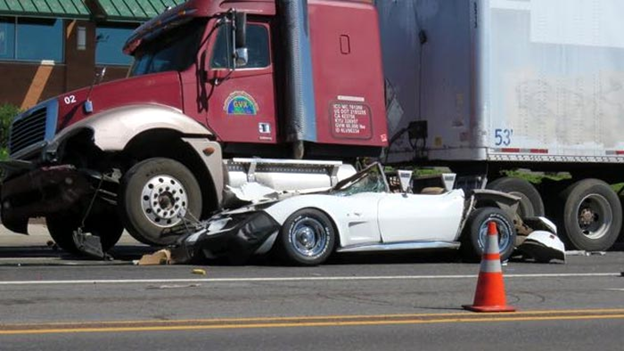
Our roadways also present significant dangers. According to the CDC, motor vehicle-related deaths remain a significant cause of preventable death, accounting for tens of thousands of fatalities annually. Commercial truck crashes, distracted driving, and poorly maintained vehicles contribute heavily to these statistics.
Other common causes of wrongful death include defective consumer products and unsafe premises. For example, falls and equipment malfunctions on dangerous construction sites routinely strip families of their loved ones.
The circumstances behind these incidents may differ, but they often leave the same difficult questions about responsibility and recoverable damages. A wrongful death lawyer in Pennsylvania can assess the facts of a case, identify where negligence occurred, and determine the legal options available to surviving family members. Early legal evaluation can also help preserve important evidence and clarify whether multiple parties may share liability, providing families with a clearer understanding of their options before moving forward.
Who Has the Legal Right to Seek Justice?
When a tragedy strikes, friends and extended family naturally want to see justice served. However, Pennsylvania law strictly limits who can step forward to file a wrongful death lawsuit. This prevents just anyone from initiating legal action and ensures the most impacted individuals are represented.
The law specifically limits eligible beneficiaries to the surviving spouse, children, and parents of the deceased. These primary family members are the individuals who suffer the most direct emotional and financial impact from the loss.
To officially bring the lawsuit to court, a Personal Representative must be appointed. This person is usually an Executor named in the deceased’s will or an Administrator appointed by the court if there is no will. The Personal Representative guides the family through the Orphans’ Court, acting as the official voice for the estate throughout the legal proceedings.
Understanding Financial Compensation and Damages
No amount of money can ever replace a human life. The purpose of financial compensation in the civil justice system is to alleviate the sudden, crushing financial burden placed on a grieving family and provide a sense of stability.
Damages are generally divided into two categories. Economic losses are the quantifiable costs directly tied to death. These include mounting medical bills from emergency care, funeral and burial expenses, and the loss of the deceased’s future income and benefits.
Non-economic losses compensate for the intangible, deeply personal impacts of the tragedy. Pennsylvania law allows families to recover damages for the loss of guidance, comfort, companionship, and consortium that the deceased provided. These damages acknowledge the massive emotional void left behind.
The Role of Punitive Damages in Extreme Cases
Most wrongful death cases center on compensating the family for their losses. However, the court sometimes steps in to actively punish the wrongdoer. This is done through punitive damages.
Punitive damages are a rare but powerful penalty. They are reserved for defendants who display a reckless indifference to human life or act with malicious intent. The goal is to punish outrageous conduct and deter others from making the same dangerous choices.
This often applies to cases involving extreme recklessness, such as drunk driving. Data shows that excessive alcohol use is a leading cause of preventable death in the United States. When a repeat DUI offender causes a fatal crash, courts are highly motivated to issue severe legal and financial penalties. Similarly, corporations that knowingly sell dangerous products or intentionally ignore safety regulations to save money can also face massive punitive damages.
Critical Pennsylvania Legal Deadlines and Rules
The legal system moves slowly, but the window to enter that system closes very fast. Families cannot wait indefinitely to seek answers or demand accountability.
Pennsylvania enforces strict timelines and rules that can completely jeopardize your pursuit of justice if ignored. You must navigate two major legal hurdles: the statute of limitations and the comparative negligence rule.
The Strict Two-Year Statute of Limitations
A statute of limitations is an absolute legal deadline. In Pennsylvania, you have exactly two years from the date of your loved one’s death to formally file a wrongful death lawsuit in court.
The consequences of missing this deadline are severe. If you attempt to file a claim even one day past the two-year mark, the court will almost certainly dismiss your case. This leaves your family with no legal recourse and no way to recover financial damages, regardless of how clear the other party’s guilt may be.
This deadline underscores exactly why you must take legal action immediately. Waiting months to begin an investigation means losing valuable time needed to gather evidence, interview witnesses, and build a compelling case before the clock runs out.
Conclusion
Losing a loved one to a preventable tragedy is a devastating experience that changes your family forever. While the grief will always remain, Pennsylvania law provides a structured, evidence-based path to hold negligent parties accountable for the harm they cause.
Time is your most critical asset. Acting quickly to preserve evidence and properly initiate an investigation is the only way to protect your rights before the strict two-year statute of limitations expires.
Seeking justice does more than secure your family’s financial future. It honors the voice of the person you lost. By holding negligent individuals and careless corporations accountable, you can force meaningful safety changes that prevent similar tragedies from shattering another family’s life.