What Happens When Your Car Is Totaled but You Still Owe Money in Fort Worth, Texas?
Key Takeaways
- A total loss does not automatically cancel an active auto loan.
- Insurance usually pays for the vehicle’s pre-crash value, subject to the policy and deductible, rather than the full loan balance.
- GAP coverage may help with a remaining balance, but the agreement can contain exclusions.
- Fort Worth drivers should obtain written figures from both the insurer and lender before making replacement-car decisions.
- An inaccurate total-loss valuation may be challenged with organized evidence about the vehicle and local market listings.
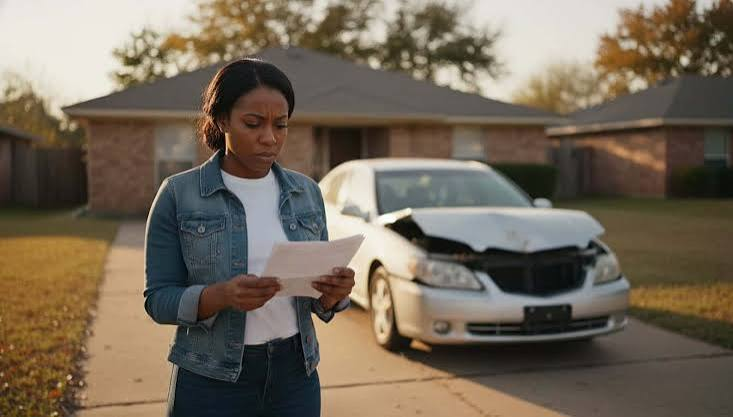
A serious crash on I-35W, Loop 820, or a busy neighborhood street can leave a Fort Worth driver without transportation and facing a loan on a vehicle that is no longer usable. A Fort Worth Car Accident Attorney can help explain options when a collision also involves injuries, disputed fault, or pressure to sign insurance documents. The central problem is that a vehicle’s value, an insurance settlement, and a lender’s payoff amount are different numbers. Even after a car is declared a total loss, the borrower may still owe the lender unless insurance proceeds, GAP coverage, or another arrangement pays the balance in full.
Why a Total Loss Can Create a Second Financial Problem
Suppose a driver’s vehicle has an actual cash value of $24,000, the collision deductible is $1,000, and the loan payoff is $28,000. If the insurer pays $23,000 after the deductible, there may be a $5,000 shortfall. The insurance claim concerns the damaged car, while the loan contract concerns the money borrowed to purchase it. Negative equity can develop when a buyer makes a small down payment, selects a lengthy loan term, rolls debt from an earlier vehicle into a new loan, or finances optional products. The original purchase price and monthly payment do not necessarily show what the car was worth immediately before the crash.
What “Totaled” Means in a Texas Insurance Claim
A total loss generally means the insurer has concluded that repairing the vehicle is not economically reasonable under the applicable claim process. Its valuation may consider the year, make, model, trim, mileage, factory equipment, pre-crash condition, prior damage, and comparable vehicles available in the relevant market. Drivers should ask for the valuation report before accepting a settlement. Check that it identifies the correct trim package and mileage, includes major factory options, and uses reasonable comparable vehicles. Keep photographs, maintenance records, purchase documents, window stickers, and three to five comparable local listings that support a different value.
Who Gets the Insurance Payment?
When a lender has a lien on the vehicle, it commonly has an interest in the settlement proceeds. Request a written payoff quote, not just the balance shown in an online account, because interest and fees may change the payoff amount. Also, ask how long the quote remains valid.
- If the settlement exceeds the payoff, the lender is paid first, and the remaining amount may go to the owner.
- If the settlement matches the payoff, the loan may be satisfied once payment and title paperwork are completed.
- If the settlement is lower, the borrower may remain responsible for the deficiency unless another coverage or agreement applies.
How GAP Coverage May Help
The difference between what a driver owes and what a totaled car is worth is commonly called the gap. GAP may be sold by an insurer, lender, credit union, or dealership, and it is intended to address some or all of that difference when its terms apply. Read the actual GAP contract closely. Coverage may exclude or limit overdue payments, unpaid finance charges, deductibles, warranty costs, balloon payments, prior damage, or other amounts. A GAP claim can also require separate paperwork and deadlines. The optional product financed into an auto loan may increase the amount borrowed, so borrowers should confirm whether it was purchased and who administers it.
How to Check for GAP and Challenge a Low Offer
- Review the retail installment contract, loan documents, dealership add-ons, and insurance declarations page.
- Contact the lender or GAP administrator in writing and request claim instructions, deadlines, and required documents.
- Ask the insurer for the total-loss valuation report and settlement breakdown.
- Identify errors in the vehicle description, condition rating, mileage, options, or comparable listings.
- Submit clear supporting evidence promptly and ask whether the policy provides an appraisal process.
Can You Keep a Totaled Vehicle?
A car can be labeled a total loss even if it still starts or moves. Do not assume it is safe to drive until it has been properly inspected. In some cases, an owner may seek to retain the salvage vehicle, but doing so can reduce the settlement and create title, inspection, financing, resale, and future-insurance issues. A financed vehicle adds another complication because the lender may need to approve any arrangement involving its collateral.
A Practical 2026 Checklist for Fort Worth Drivers
- Report the collision and keep the claim number.
- Save photos, videos, witness information, repair estimates, and written communications.
- Request the insurer’s valuation report and the lender’s written payoff quote.
- Compare the expected settlement with the payoff amount.
- Locate GAP coverage and submit a separate claim if applicable.
- Continue making required loan payments unless the lender provides written direction otherwise.
- Review title, lien-release, and settlement documents carefully before signing.
Should the Remaining Balance Be Rolled Into a New Loan?
Rolling a deficiency into replacement-car financing can solve an immediate transportation problem, but it increases the new loan principal. For example, adding a $5,000 shortfall to a new vehicle loan means the borrower is financing both the replacement vehicle and the debt from the totaled one. That can increase interest costs and make negative equity more likely again. Before agreeing, consider paying the shortfall separately, choosing a lower-priced replacement vehicle, negotiating the vehicle price, waiting for the GAP claim to be finalized, or asking the existing lender about a documented payment arrangement.
When Injuries Are Also Involved
Property damage and bodily injury are separate parts of a crash claim. Resolving the vehicle claim does not necessarily resolve an injury claim, but a broad release may affect multiple issues. Keep records of medical visits, prescriptions, missed work, transportation costs, symptoms, and activity restrictions. Legal advice may be especially important when injuries are serious, fault is disputed, multiple policies are involved, or an insurer requests a broad release.
Conclusion
For Fort Worth drivers, a totaled vehicle with an unpaid loan requires careful attention to three figures: the car’s value, the insurance payment, and the loan payoff. Obtain every number in writing, review the insurer’s valuation for errors, determine whether GAP coverage applies, and confirm exactly how much remains on the loan after the settlement. Keep copies of the valuation report, loan statement, insurance correspondence, and any GAP documents. Avoid rushing into a replacement vehicle or new loan before the old balance is fully understood. If the settlement appears too low or the remaining debt is disputed, consider seeking professional advice before accepting an offer or signing additional financing documents.