The Anatomy of a Criminal Trial: What to Expect When Your Case Goes to Court
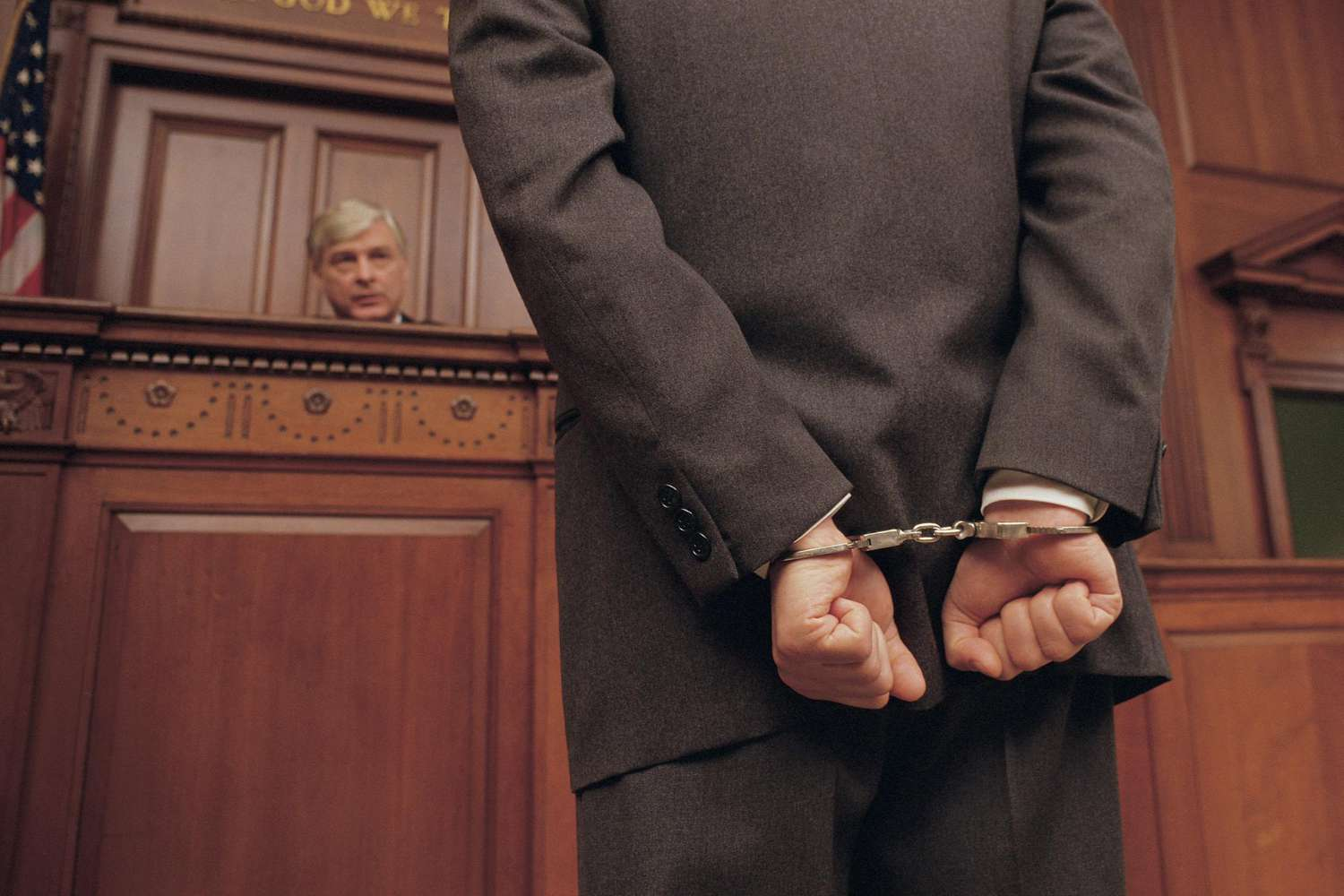
For most people, the inner workings of a courtroom are a mystery shaped entirely by television dramas and movies. We are accustomed to seeing dramatic, last-minute confessions, fiery monologues, and judges banging their gavels in rapid succession. In reality, the constitutional framework of a criminal trial is a highly structured, meticulously planned, and procedurally strict environment.
Stepping into a courtroom as a defendant is an undeniably intimidating experience. The language spoken by prosecutors and judges can feel like a foreign tongue, and the stakes could not be higher. However, stripping away the mystery of the legal process is one of the most effective ways to manage the anxiety of a pending court date. Whether you are facing a minor misdemeanor or a severe felony, understanding the distinct stages of a criminal trial will help you navigate the system with confidence.
1. Jury Selection (Voir Dire)
Before a single opening statement is made or a shred of evidence is introduced, the court must select the individuals who will ultimately decide the verdict. This process is known as voir dire, a legal term meaning “to speak the truth.”
A large pool of local citizens is called into the courtroom, and both the prosecution and the defense are given the opportunity to question them. The goal is not to find jurors who favor one side, but rather to filter out individuals who possess deep-rooted biases, personal conflicts of interest, or preconceived notions that would prevent them from rendering a fair and impartial verdict.
Attorneys can eliminate potential jurors using two types of challenges:
- Challenges for Cause: Used when an attorney can demonstrate to the judge a specific, clear reason why a juror cannot be fair (e.g., the juror is related to the arresting officer). There is no limit to these challenges.
- Peremptory Challenges: Allow an attorney to excuse a juror without giving a reason. These are strictly limited in number and cannot be used to discriminate based on race or gender.
2. Opening Statements: Setting the Narrative
Once the jury is sworn in, the trial officially begins with opening statements. This stage acts as a roadmap for the jury. It is not an opportunity for attorneys to argue their case or present actual evidence; instead, it is a chance for each side to outline what they intend to prove over the course of the trial.
The prosecution always goes first because they carry the burden of proof. They will paint a picture of the alleged crime and explain how the evidence will point directly to the defendant’s guilt. Immediately following, the defense will present its opening statement, offering an alternative perspective, pointing out gaps in the state’s narrative, and reminding the jury of the sacred presumption of innocence.
3. The Prosecution’s Case-in-Chief
Because the state has accused the defendant of a crime, it is legally required to prove its case “beyond a reasonable doubt”—the highest standard of proof in the American legal system. To do this, the prosecutor presents their “case-in-chief.”
The prosecution will call witnesses to the stand—such as eyewitnesses, victims, arresting officers, and forensic experts—and conduct a direct examination. They will introduce physical evidence, which can include DNA results, security camera footage, weapons, or financial documents.
However, the state does not get the final word on its own witnesses. The moment the prosecutor finishes questioning a witness, the defense has the right to step up for cross-examination. This is a critical tactical window. The defense will look to expose inconsistencies in a witness’s memory, highlight potential biases, or challenge the scientific integrity of physical evidence.
4. The Motion for a Directed Verdict
When the prosecution officially rests its case, a brief but vital procedural step occurs outside the presence of the jury. The defense will typically make a motion for a directed verdict (sometimes called a motion for acquittal).
The defense argues to the judge that even if the jury believed every single piece of evidence presented by the prosecution, the state still failed to establish a basic legal case against the defendant. While judges rarely grant this motion, it is an essential procedural step required to preserve the defendant’s right to appeal the case later if they are convicted.
5. The Defense’s Case-in-Chief
If the judge denies the motion for a directed verdict, the floor opens to the defense. It is worth noting a fundamental constitutional truth: the defense is not legally required to present any evidence or call a single witness. Because the burden of proof rests entirely on the state, the defense can choose to rest immediately, arguing that the prosecution simply failed to prove its case.
However, if the defense chooses to present a case, they will call their own witnesses, provide alibis, or introduce independent expert testimony to counter the state’s claims.
The biggest decision during this stage is whether the defendant will take the stand. Under the Fifth Amendment, a defendant has an absolute right to remain silent and cannot be forced to testify. Taking the stand allows a defendant to tell their story in their own words, but it also exposes them to an aggressive cross-examination by the prosecutor.
While many lower-level charges are resolved through plea negotiations behind closed doors, facing a full trial means your future rests entirely on how effectively your defense attorney can dismantle the prosecution’s evidence in front of a jury.
6. Closing Arguments: The Final Pitch
Once both sides have rested, the trial reaches its dramatic peak with closing arguments. Unlike opening statements, this is where the attorneys are fully permitted to argue, interpret the evidence, and passionately appeal to the jury’s sense of justice.
The attorneys will tie together all the testimonies and exhibit pieces introduced during the trial. The prosecutor will argue that the evidence forms an unbroken chain leading directly to a conviction. The defense will then tear at that chain, highlighting every instance of reasonable doubt, emphasizing inconsistencies, and reminding the jury that convicting an innocent person is a profound miscarriage of justice. Because the state carries the burden of proof, the prosecutor is typically allowed a brief rebuttal argument after the defense finishes.
7. Jury Instructions and Deliberation
Before the jurors are sent to the deliberation room, the judge will read them “jury instructions.” These are the specific legal rules governing the case. The judge will define the exact elements of the crime, explain the legal definition of “beyond a reasonable doubt,” and outline what options the jury has for a verdict.
The jury then retires to a private room to deliberate. They must review the evidence together and attempt to reach a consensus. In the vast majority of criminal trials, the jury’s verdict must be entirely unanimous.
If the jury deliberates for days and simply cannot agree on a verdict, the judge may declare a “hung jury” and order a mistrial. If a mistrial occurs, the case is not dismissed; instead, the prosecution has the option to start the entire trial process over again with a brand-new jury.
Conclusion
A criminal trial is a complex mechanism designed to protect individual liberties while seeking the truth. From the initial selection of the jury to the final reading of the verdict, every single step is engineered to ensure fairness under the law. By understanding this structure, you can demystify the courtroom experience and ensure your constitutional rights are fiercely defended from start to finish.