Tax Rise Lawsuit: Full 2025 Guide for Citizens & Businesses
Introduction: Why Everyone Is Discussing the Tax Rise Lawsuit
If you’ve scrolled through the news lately, chances are you’ve seen headlines about the tax rise lawsuit. For some, it’s just another political skirmish. For others families juggling bills, small businesses tightening budgets, or young professionals already pressed by inflation it feels personal.
The case is not just about figures on a tax return. It’s about whether governments have the right to raise taxes suddenly without asking, whether taxpayers get a voice in economic policy, and how legal systems reconcile power with justice.
This guide breaks it all down: the history, the charges, courtroom fight, what the experts are saying, and most importantly how it could impact you. Have you checked our detailed guide on Mielle Lawsuit.
Taxes in Daily Life: More Than Just Numbers
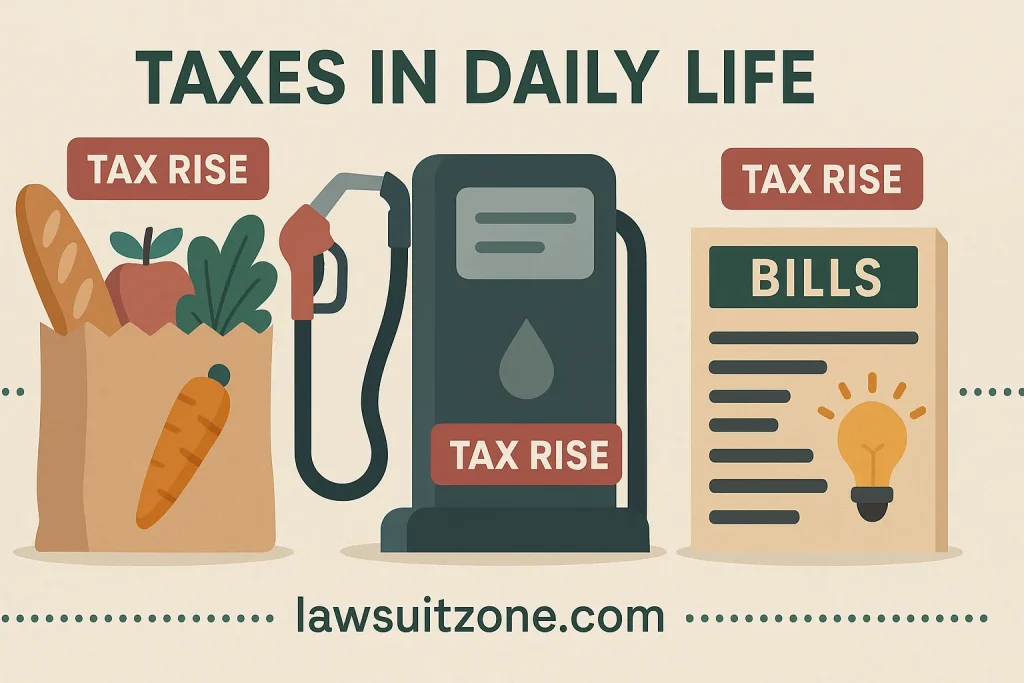
To appreciate why the lawsuit is significant, let’s take a step back. Taxes aren’t theoretical. They fund roads, energize schools, and compensate healthcare professionals. They also chip off a piece from each paycheck, business profit, and shopping transaction.
Typically, tax reforms are preceded by parliamentary or congressional debate, public hearings, and a lengthy lag time for the populace to adjust. The controversy behind this tax rise lawsuit? According to many, none of those precautions were taken this time.
The Spark: What Triggered the Tax Rise Lawsuit
The lawsuit did not come out of nowhere. It was a product of frustration. A stealth, across-the-board tax increase surprised citizens and enterprises. Lobby groups allege:
- The decision was not open to the public.
- The increase disregarded economic distress following spikes in inflation.
- Parliamentarians circumvented due legislative processes.
For taxpayers, it was not about money it was about trust.
Allegations: What Citizens Are Battling Against
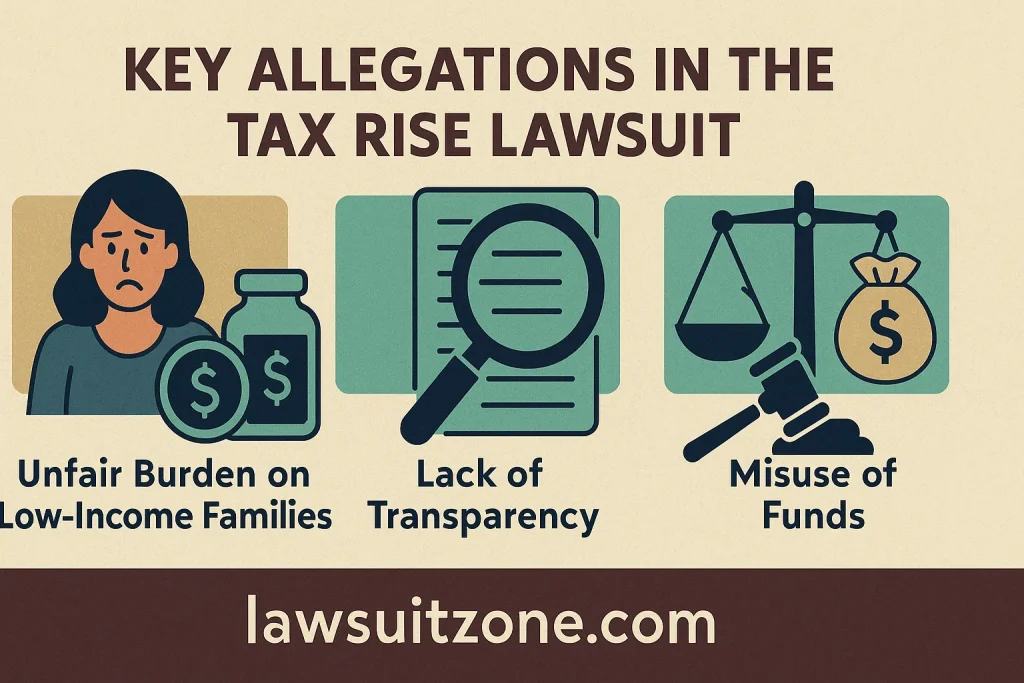
The case alleges a number of aggressive claims:
- Procedural Violations – Taxes increased without constitutional oversight.
- Disproportionate Burden – Middle-class households and small business owners take the biggest hit.
- Lack of Transparency – No transparency on where more money would be spent.
- Equity Issues – Big business is said to have been granted exemptions, with individuals paying the price.
Each of these charges contributes to more general issues: Do governments hear the people paying the bill? And if they don’t, what are citizens’ options?
Within the Courtroom: The Legal Struggle Develops
The tax rise lawsuit is currently making its way through the courts. Lawyers representing citizens claim it’s a constitutional rights violation. Government lawyers, on the other hand, are defending the hike as needed to pay for government services.
Courtroom arguments center around:
- Whether or not the process honored due legal process.
- How much authority governments actually wield in determining tax levels.
- The potential precedent of this case affecting future tax policy.
The Human Side: Stories from the Ground
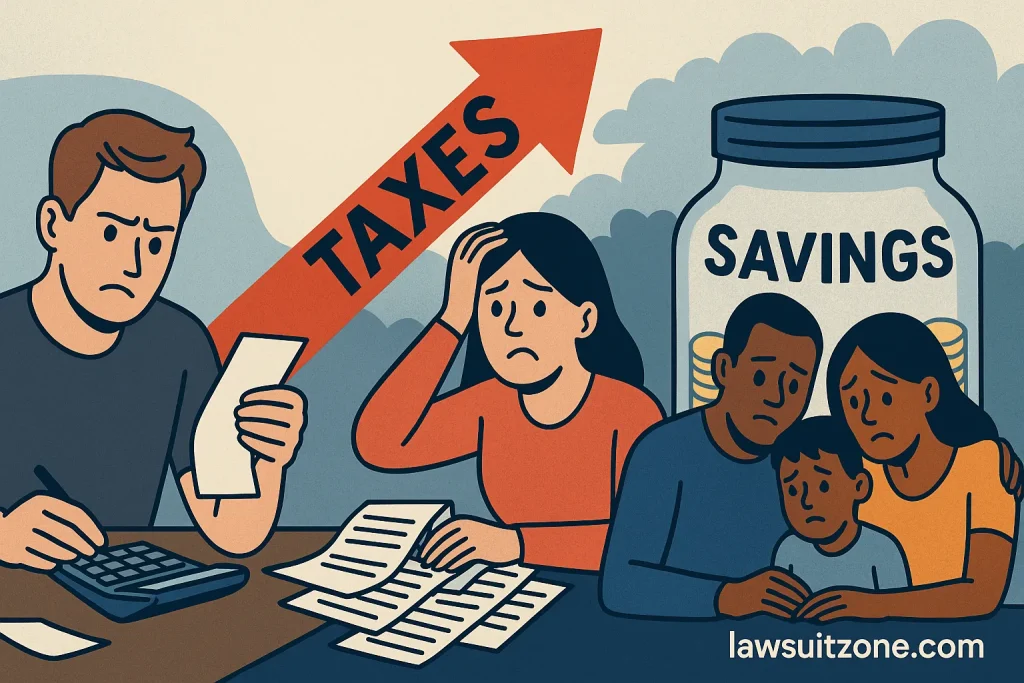
Beyond legalese, this lawsuit is about individuals.
- Families: A single mother from Ohio testified about being unable to afford food after the new tax deductions went into effect.
- Small Businesses: A coffee shop owner testified that increased taxes might make her have to fire workers.
- Young Professionals: Most contend the tax increase stunts their potential to save for a home or education.
These stories add urgency to the legal fight, reminding lawmakers that policies don’t live in spreadsheets—they live in households.
How Governments Defend the Tax Rise
Officials insist the rise was necessary to stabilize budgets, fund infrastructure, and prevent public service cuts. They argue that without it, schools, hospitals, and transit systems would face severe shortfalls.
But critics counter: Shouldn’t better financial management come before squeezing taxpayers further?
Global Comparisons: We’ve Seen This Before
This is not the first time citizens have sued governments for taxes.
- In France, a carbon tax fueled protests across the country.
- In the United States, suits over property tax appraisals are commonplace.
- In India, court cases challenging abrupt GST changes were headline news.
The tax rise lawsuit fits this international trend, as it showcases the constant dance of taxation between citizen fairness and state need.
Economic Ripple Effects
Legal battles such as these don’t remain isolated in courtrooms. They have a ripple effect:
- Investor confidence may sag when fiscal policies seem arbitrary.
- Stock markets might respond to public discontent.
- Businesses are reluctant to grow in uncertain weather.
In short, this isn’t about this year’s tax bill—it might influence tomorrow’s economy.
Lessons for Citizens
- Stay alert – Monitor pending policies before they reach your wallet.
- Get engaged – Show up at hearings or join taxpayer groups.
- Know your rights – If you feel you are being treated unfairly, consult a lawyer.
For trusted resources, the Federal Trade Commission provides consumer protection advice.
Lessons for Lawmakers
This case is also a wake-up call for governments:
- Transparency builds trust.
- Sudden changes ignite backlash.
- Public consultation isn’t optional—it’s necessary.
What Could Happen Next?
There are three principal possibilities:
- Court rules in favor of citizens → The tax increase is reversed or refunds given.
- Court rules with government → The hike remains, establishing precedent for enhanced government control.
- Compromise decision → Incremental raises, exemptions for vulnerable groups, or required transparency fixes.
Expert Views
- Economists caution that if governments continue to push without openness, they could undermine public trust over the long term.
- Law academics see this case as potentially redefining boundaries on taxation power.
- Community leaders stress the issue is equity—who pays and who receives relief.
FAQs Regarding the Tax Hike Lawsuit
Final Thoughts
The tax rise lawsuit is not about technical arguments—it’s about fairness, openness, and accountability. For governments, it’s a reminder that fiscal prudence has to be coupled with citizen confidence. For taxpayers, it’s evidence that voices do count and legal mechanisms can serve as checks on power.
Whatever the result, this case will have a lasting effect on the way we perceive taxation in 2025 and beyond.