What Injured Riders Should Know After a Motorcycle Crash in Phoenix
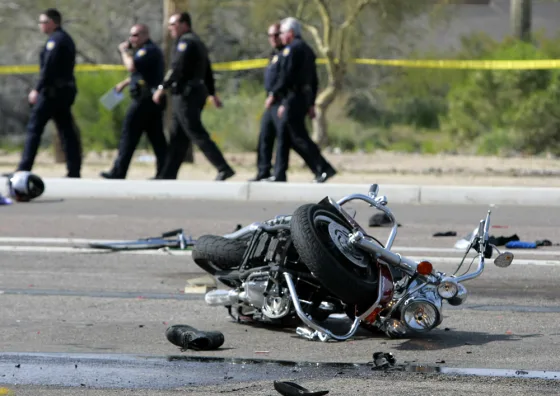
Motorcycle accidents often result in serious legal and medical issues for injured riders in Phoenix. Unlike occupants of passenger vehicles, motorcyclists have limited physical protection during a collision, which increases the risk of severe injuries such as fractures, head trauma, spinal damage and extensive road rash. Crashes can happen on busy city streets, major highways like I-10 or high-traffic areas throughout Phoenix, and the consequences may include emergency medical treatment, time away from work, ongoing rehabilitation and complex insurance disputes. Because of the seriousness of these cases, motorcycle accident claims often require careful review of liability, injury documentation and the long-term financial impact on the injured person.
In Phoenix, these cases can become complicated quickly. A rider may be struck by a distracted driver, clipped during an unsafe lane change, hit at an intersection by a driver who fails to yield or injured because of a road hazard, vehicle defect or commercial vehicle interaction. Local competitor pages also tend to stress the same pattern: motorcycle crashes are rarely simple, and insurance carriers often try to shift blame onto the rider. That is one reason many injured people begin looking for a Phoenix motorcycle accident lawyer soon after a collision, especially when the injuries are severe and the fault issues are already being disputed.
Why motorcycle accident cases are often harder than car accident claims
Motorcycle crashes create challenges that do not appear in every traffic case. Riders are more exposed to the road, which means even a moderate-speed impact can cause broken bones, head trauma, spinal injuries, road rash and lasting soft tissue damage. Harris Injury Law and other Phoenix firms consistently frame motorcycle cases around severe injuries, extensive treatment and the need to present the full effect of the crash, not just the first emergency room bill.
There is also a bias problem in many motorcycle cases. Some insurance adjusters may assume that a rider was speeding, taking risks or otherwise responsible before all the facts are known. But Arizona follows a comparative negligence system. That means an injured person is not automatically barred from recovery just because fault is disputed. Instead, damages may be reduced according to the claimant’s share of fault. In practical terms, that makes a careful investigation especially important in motorcycle claims because proving what actually happened can directly affect the value of the case.
Common causes of motorcycle crashes in Phoenix
Many motorcycle accidents in Phoenix happen because another driver fails to see the rider in time. Left-turn collisions, lane changes, rear-end crashes and failure-to-yield situations are common themes on Phoenix competitor pages and law-firm content in this practice area. Riders may also be hurt by distracted driving, following too closely, unsafe merging, speeding or impaired driving. On top of that, road defects, loose gravel, poor signage or motorcycle part failures can also play a role in how a crash occurs.
Phoenix roads create their own risks as well. Heavy traffic, wide intersections, fast-moving freeway entrances and dense urban driving patterns can make it harder for motorists to notice motorcycles in time. When a crash happens, the case may involve more than just two drivers. Depending on the facts, liability could extend to an employer, a commercial vehicle operator, a government agency responsible for roadway conditions or a manufacturer connected to a defective vehicle part.
Steps injured riders should take after a crash
The first priority after a motorcycle wreck is medical care. Even if an injured rider believes they can walk away from the scene, symptoms may get worse over the next several hours or days. Internal injuries, head injuries and back trauma are not always obvious right away. Getting prompt medical evaluation helps protect health, and it also creates records that may later become important evidence.
If possible, it helps to gather basic information at the scene. Photos of the motorcycle, the other vehicle, skid marks, debris, road conditions, traffic signals and visible injuries may all be useful. Witness names and contact details can matter too. If police respond, the report number should be kept. In motorcycle cases, even small details can matter because disputes over visibility, lane position, speed and right of way are common.
It is also important to be cautious when speaking with insurers. Early conversations may happen before the full medical picture is known. A rider might still be in pain, under stress or unaware of how much treatment will be needed. For that reason, many injured people prefer to get legal guidance before giving detailed recorded statements or accepting a quick settlement offer.
Arizona law makes timing important
Arizona generally gives injured people two years to bring many personal injury claims. But not every case follows the same timeline. If a government entity, public employee or public school is involved, Arizona’s notice-of-claim law can apply and may require action within 180 days after the claim accrues. That shorter deadline can become important in some traffic injury cases involving public vehicles, road conditions or government-connected parties.
That is one reason delay can be risky. Evidence may disappear. Witness memories can fade. Video footage may be lost. The longer a rider waits, the harder it can become to reconstruct what happened and identify every responsible party.
Motorcycle helmets and fault issues
Arizona’s helmet law is also worth understanding. Under Arizona statute, riders and passengers under age 18 must wear a protective helmet. Adult riders are not subject to the same universal helmet requirement under that statute. Still, helmet use can become part of the conversation in injury cases, especially where head trauma is involved. The legal question is not always as simple as whether a helmet was worn. The larger issue is often how the crash happened, who caused it and what evidence supports the injury claim.
Insurance carriers sometimes try to use side issues to reduce what they pay. That is why a detailed, fact-based case presentation matters. The focus should stay on negligence, injuries, treatment, lost income and the actual impact the crash has had on the rider’s daily life.
What damages may be part of a motorcycle injury claim
Every case is different, but motorcycle accident claims may involve medical expenses, rehabilitation, lost wages, reduced earning ability, pain and suffering and property damage. In serious cases, recovery may take months and sometimes longer. A fair evaluation should consider not only what the injured person has already paid, but also what future care and disruption may still lie ahead. Harris Injury Law and competing Phoenix firms alike frame these claims around the need to document the full scope of the loss rather than rushing into an early low-value settlement.
Why early legal guidance can help
Motorcycle crash claims often require a deeper investigation than ordinary traffic cases. There may be scene analysis, witness interviews, medical review, insurance issues and disputes over fault from the start. Harris Injury Law presents itself as a Phoenix firm that offers direct attorney communication, free consultations, contingency-fee representation and availability around the clock, which are all features many injured riders look for when they are trying to understand their options after a serious wreck.
For riders injured in Phoenix, early guidance can help preserve evidence, identify deadlines and reduce the chance of mistakes during the claims process. When the injuries are serious and the facts are contested, getting clear direction early may make a real difference in how the case moves forward.