How the Civil and Criminal Justice Systems Handle the Same Incident Differently
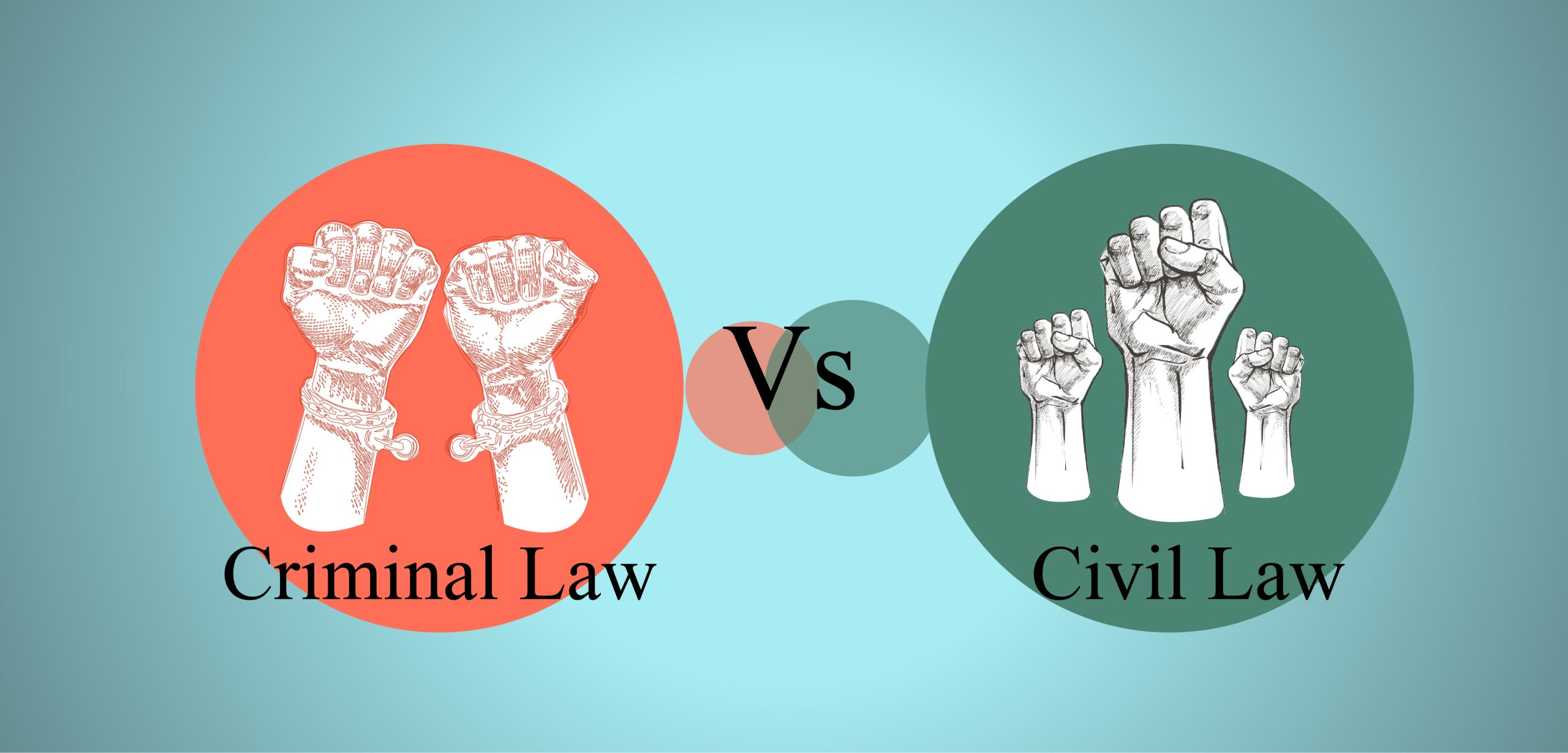
Most people assume the justice system works as a single machine — someone does something wrong, a case gets filed, and a verdict comes out the other end. But that’s not how it works. A single incident can move through two entirely separate legal tracks at the same time, each with its own rules, burdens, and goals. Understanding the difference isn’t just academic. It has real consequences for anyone caught on either side of a serious accident or criminal allegation.
Take a drunk driving crash. The driver may face criminal charges from the state. The victim, meanwhile, has the right to pursue a civil lawsuit for their injuries and losses — and those two cases will proceed independently of each other. Getting help from a personal injury lawyer on the civil side doesn’t interfere with the criminal prosecution, and a criminal conviction — or even an acquittal — doesn’t automatically decide what happens in the civil court.
Two Systems, Two Purposes
The criminal justice system exists to punish conduct that society has deemed harmful enough to prohibit by law. The state brings the case, not the victim. The prosecutor’s job is to prove guilt beyond a reasonable doubt — one of the highest legal standards that exists. If a defendant is found guilty, the consequences include fines, probation, or imprisonment.
The civil system, by contrast, is built around making an injured party whole. A victim files the lawsuit, not the government. The burden of proof is far lower — preponderance of the evidence, meaning it’s more likely than not that the defendant caused the harm. The outcome isn’t jail time; it’s financial compensation for medical bills, lost wages, pain and suffering, and other damages.
This is why O.J. Simpson could be acquitted of murder in criminal court and still be found liable in a civil wrongful death lawsuit. The same event, two different systems, two different outcomes — both legally valid.
Why One Incident Can Trigger Both
Certain situations almost always produce parallel proceedings. Drunk driving accidents, assault cases, nursing home abuse, and workplace fatalities are common examples. In each of these, the act in question is both a crime and a civil wrong — what the law calls a “tort.”
Victims in these situations often don’t realize they have two separate avenues for justice. The criminal case may resolve quickly through a plea deal, which can feel unsatisfying when serious injuries are involved. A civil claim allows the victim to independently pursue the compensation they need — regardless of how the criminal matter ends.
On the other side of the equation, someone convicted of a crime doesn’t lose the ability to challenge their conviction through the courts. A skilled criminal appeals attorney can examine whether legal errors occurred at trial — improper jury instructions, suppressed evidence, ineffective counsel — and pursue a reversal or reduced sentence through the appellate process. That process is entirely separate from any civil claims the victim may have filed.
The Evidence Question
One of the biggest points of confusion is how evidence functions across both systems. In a criminal case, the Fifth Amendment protects defendants from being compelled to testify against themselves. In a civil case, that protection still exists but plays out differently — a defendant can invoke the Fifth, but a civil jury is allowed to draw a negative inference from that silence.
This is why the sequencing of cases matters strategically. Statements made in a civil deposition can potentially be used in a parallel criminal proceeding. Attorneys on both sides need to be acutely aware of how the two cases interact, even when they’re technically separate.
Physical evidence, witness testimony, and documentation may be shared across both tracks, but the way they’re interpreted and weighed differs significantly. What’s enough to establish liability in a civil case may fall well short of the standard needed for a criminal conviction.
When You Need Separate Legal Help
Because the two systems operate so differently, they generally require different legal expertise. A personal injury lawyer focuses on building a civil damages case — gathering medical records, calculating losses, negotiating with insurance companies, and if necessary, taking the case to trial. Their goal is compensation.
A criminal defense attorney — and on appeal, a criminal appeals attorney — focuses on the constitutional and procedural dimensions of a case. Their job is to ensure the state followed the rules, that the defendant’s rights were respected, and that the conviction (if there is one) holds up under scrutiny.
These are distinct disciplines. Someone injured in an assault shouldn’t rely on the prosecutor to secure their financial recovery. And someone facing a wrongful conviction shouldn’t assume a civil attorney can navigate the appellate courts on their behalf.
The Bigger Picture
The civil and criminal systems aren’t designed to reach the same outcome — they’re designed to serve different interests. One protects society through punishment; the other protects individuals through compensation. When a serious incident occurs, both may be activated simultaneously, and understanding which system does what can be the difference between getting the outcome you need and walking away without any recourse at all.
If you’ve been injured, or if you believe a conviction was reached unfairly, the starting point is finding the right legal help for the right system — because in the American justice system, those are two very different conversations:
read more : 7 Steps to Take After a Car Accident in Los Angeles