How Drivers Can Challenge an Unfair Parking Ticket
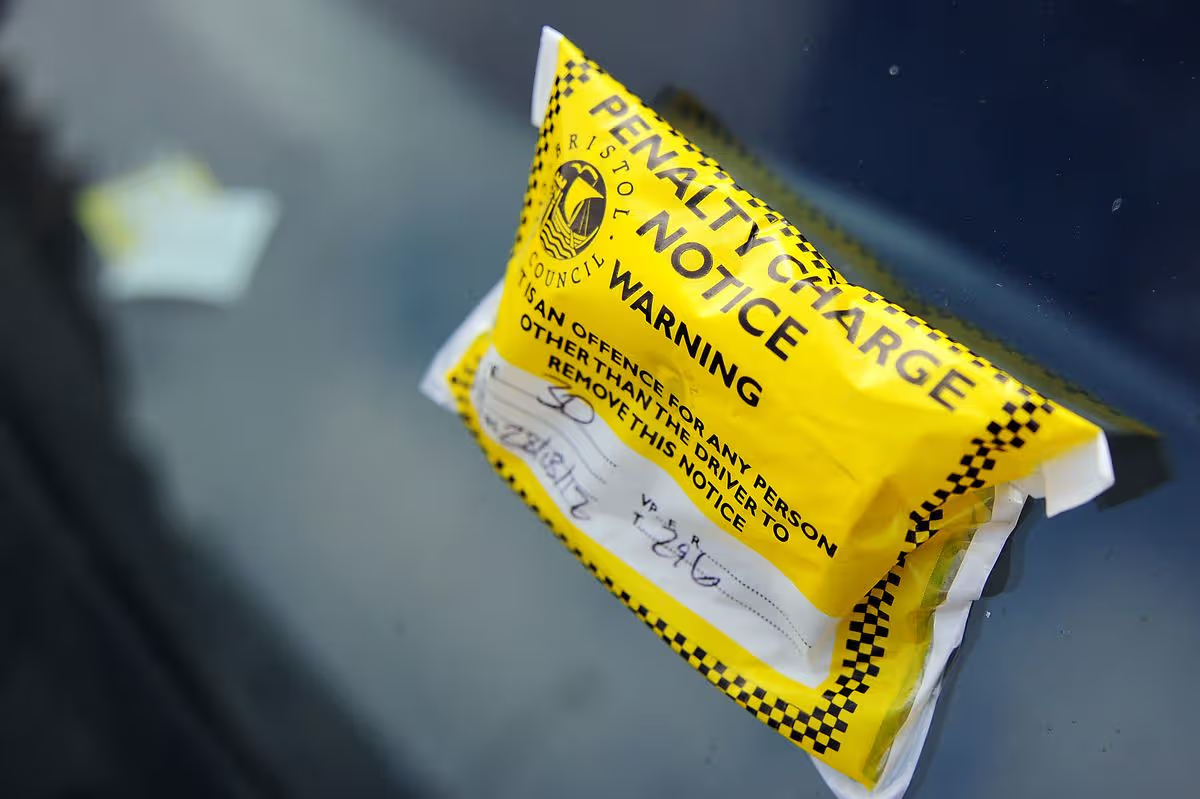
Receiving a parking ticket can be frustrating, especially when a driver believes the citation was issued incorrectly. While parking rules are designed to improve safety and manage limited spaces, mistakes can happen due to unclear signs, faulty equipment, inaccurate records, or misunderstandings about parking requirements. Drivers generally have the right to challenge a ticket when they believe it was issued unfairly, but success often depends on acting quickly and providing strong evidence.
Rules and deadlines for challenging parking tickets vary by state and municipality. This article provides general information only and should not be considered legal advice.
Valid Reasons to Challenge a Parking Citation
A parking ticket may be challenged when there is a legitimate reason to question whether the violation occurred. One common issue involves unclear, missing, or blocked signage. If parking restrictions were not visible or instructions were confusing, drivers may have grounds to dispute the citation.
Equipment problems can also support a challenge. For example, a malfunctioning parking meter, incorrect payment processing, or an error with a parking app session may show that the driver attempted to comply with the rules. Other valid reasons may include incorrect vehicle information, such as an inaccurate license plate number, vehicle description, or location details recorded on the citation.
Drivers may also contest tickets involving expired or improperly marked parking spaces. If a parking bay was not clearly designated, recently changed, or incorrectly labeled, documentation of the conditions at the time of the ticket can be important. Similarly, proof that a parking session was already paid for can help demonstrate that the citation was issued in error.
Gathering Evidence Before Challenging a Ticket
Strong evidence is one of the most important factors when challenging a parking citation. Drivers should collect information as soon as possible because parking conditions can change quickly. Photos of nearby signs, road markings, parking spaces, and the surrounding area can help show whether instructions were unclear or whether the vehicle was parked correctly.
Payment records are also valuable. Drivers should keep meter receipts, mobile parking app confirmations, transaction records, and timestamps showing when payment was made. If a technical problem occurred, screenshots or error messages from a parking app may help support the claim.
Witness details can also be useful when another person observed the situation. Names, contact information, and written statements may provide additional support. Drivers looking for a clearer understanding of the steps involved can review guidance on how to contest a parking ticket and prepare their information before submitting a challenge.
Understanding the Ticket Challenge Process and Deadlines
The process for challenging a parking ticket depends on the local authority that issued it. In many areas, drivers first have the option to request an informal review. This allows the issuing authority to examine the circumstances and determine whether the citation should be dismissed.
If the informal review is unsuccessful, some jurisdictions provide a formal appeal process or administrative hearing. During this stage, drivers may need to present evidence, explain why the ticket was incorrect, and respond to the authority’s findings.
Deadlines are a critical part of the process. Most municipalities require challenges to be submitted within a specific timeframe after the ticket is issued. Missing this deadline can often result in losing the opportunity to dispute the citation, even if the driver has a valid reason. Checking local requirements and submitting documentation promptly can prevent unnecessary complications.
Consequences of Ignoring a Parking Ticket
Ignoring a parking ticket usually does not make the issue disappear. Unpaid citations may lead to increased penalties, additional fees, registration holds, collections activity, or other enforcement measures depending on local rules.
Drivers should also understand that not all parking-related charges follow the same process. A municipal parking citation is typically issued by a government authority and follows local enforcement procedures. In contrast, a private parking operator’s invoice may involve a private agreement between the driver and the company rather than a government-issued citation.
Because enforcement methods differ, drivers should carefully review who issued the ticket or invoice and understand the available options. Taking action early provides the best opportunity to resolve disputes and avoid additional costs.
Conclusion
Challenging an unfair parking ticket requires preparation, evidence, and awareness of local procedures. Drivers who believe a citation was issued incorrectly should review the circumstances, gather supporting documentation, and follow the required process within the allowed timeframe.
Clear photos, payment records, witness information, and accurate details can make a significant difference when presenting a challenge. Whether the issue involves unclear signage, payment errors, incorrect information, or other circumstances, understanding the available options helps drivers protect their rights.
As parking systems continue to evolve with digital payments and automated enforcement technologies, knowing how to properly respond to a citation will remain an important part of responsible vehicle ownership.