Complete Guide to the Facebook Lawsuit Settlement
Introduction
The class-action lawsuit settlement related to Facebook is one of those trending privacy cases that shook the entire world in recent years. It involved millions of users throughout the United States, with the settlement being a landmark reminder of how important personal data protection has become in today’s digital world.
Whether one has ever wondered if they qualify, how this settlement came to be, or what it means for everyday Facebook users, this guide will explain all of the details from background and eligibility to payout timelines and what this case means for online privacy going forward. Have you checked our detailed guide on Prime Hydration Lawsuit.
What Is the Facebook Lawsuit Settlement?
The Facebook class action settlement was a massive legal settlement between the social-media giant and U.S. consumers who have accused the tech giant of mishandling user data and failing to protect their privacy.
Central to the settlement are allegations that Facebook had permitted unauthorized third-party access to user information, covering personal details, interests, and activities. Outside firms allegedly received this information for advertising and analytics without sufficient consent or transparency.
Although Facebook denied wrongdoing, it agreed to pay hundreds of millions of dollars to settle the dispute. In return, its users could get compensation, and the company would move on under fresh commitments toward privacy.
How the Lawsuit Began
The roots of the lawsuit reach back more than a decade, when privacy advocates started questioning how Facebook collected, stored and monetized user data. As social networks grew in popularity, users shared vast amounts of personal information—from photos and relationships to political opinions and location data.
Over time, allegations arose that Facebook had not been fully transparent over how the data was to be used or shared. Everything came to a head when independent investigations showed that some third-party applications had the capability to harvest user data, not just from the person using the app, but also from their friends’ accounts.
This discovery then triggered various class-action suits, combining into a nationwide case representing millions of users. The final outcome was a historic settlement that aimed at compensating users and bolstering the company’s privacy obligations.
Who Qualifies for Compensation?
If you had a Facebook account anytime throughout the defined class eligibility period, you may be part of the class eligible for this Facebook lawsuit settlement.
General Criteria Include:
- You had a personal Facebook account in the United States during the relevant years.
- Your account was active during that time and could be identified.
- You filed a claim prior to the deadline date.
- You provided basic identifying information, such as name, email, or account association.
That even though you didn’t suffer financial loss or identity theft, you might be able to get paid under the class. Class settlement recognizes users paid “data value cost”—in other words, that your information had economic value and was utilized without valid consent.
How the Settlement Works
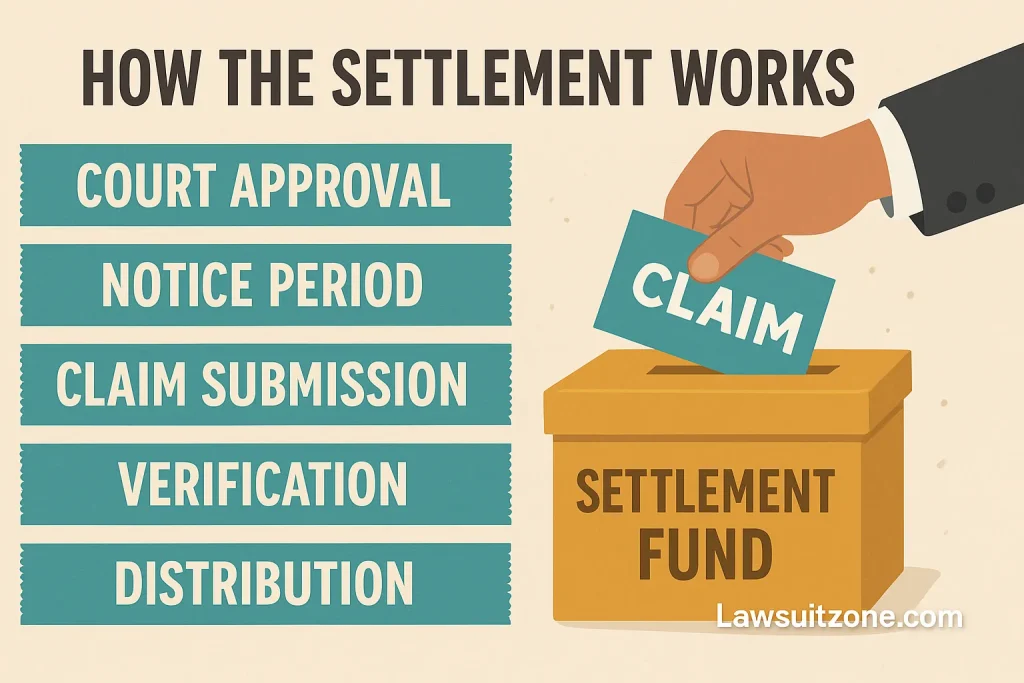
When large corporations settle major cases such as this, they commonly create a settlement fund — a certain pool of money allocated to eligible class members who submit valid claims.
Here’s a Breakdown of the General Process:
- Federal law requires the court to approve a settlement to ensure it is fair.
- Notice Period: Official notices were sent through email to the subscribers and also on the platform.
- Claim Submission: Users filled out a simple form confirming their account activity and preferred payment method.
- Verification: The settlement administrator checked to avoid duplicate claims and other fraud.
- Distribution: All approved claims were paid via electronic means such as PayPal, Venmo, or direct deposit.
The size of each payment was determined based on the number of valid claims filed and the number of years each claimant maintained an active Facebook account. Those who used the platform for more years generally received slightly higher payments.
How Much Money Are You Entitled To?
The exact amount each would receive was undetermined. Settlements of this size usually involve the division of a fixed fund among millions of users. Thus, though individual amounts are not large, they still symbolize a great step for consumer rights.
Among the Factors Affecting the Payout Are:
- How long you kept your account during the eligible years.
- Total number of valid claims submitted.
- Administrative and legal expenses deducted from the fund.
Most of the users will get a modest payment, often between tens of dollars depending on the usage history, but the real impact is not about the amount each will receive, but what that case means in the representative sense concerning accountability for the user and digital ethics.
Why This Settlement Matters
The settlement of the Facebook lawsuit is not just about money, it’s part of a broader moment of accountability for the tech industry.
For years, social-media companies have collected enormous amounts of user data in exchange for “free” services. What this case shows is that such exchanges come with responsibility: transparency, consent, and security are not optional.
The settlement also demonstrates that it is possible for people to challenge the largest corporations by using class-action litigation. It will also set a precedent for other digital platforms that mistakes in privacy will result in massive financial and reputational damages.
Response of Facebook
Facebook repeated that it took privacy seriously and didn’t break any laws. The company said user trust was its top priority and that it made significant changes in systems, policies, and transparency since the era covered by the settlement.
These Updates Include:
- Simpler privacy controls and more straightforward language for users.
- Improved data-sharing limits for third-party developers.
- Stronger auditing and compliance programs to prevent misuse of personal data.
A settlement of the lawsuit spared Facebook from prolonged court battles and public trials, which would have further damaged consumer trust, while continuing its transition under parent Meta toward a future of privacy-first attitudes and actions.
User Lessons Learnt
1. Your Data is Valuable
Every click, every like, every posted picture adds up to a bigger digital profile of you. That information is monetized, so your consent and awareness are crucial.
2. Read Privacy Policies — or at Least Summaries
Although it may get a little annoying, privacy settings and updates specify who’s in control. Capitalize on the revised settings on Facebook to customize what you show and share.
3. Be Careful with Third-Party Apps
Many games, quizzes, or even external sign-in options may ask for access to your account, sometimes for data and permissions that are not needed. Review app permissions regularly, and revoke those you don’t need.
4. Employ Multi-Factor Authentication
Security features like two-factor authentication greatly reduce the possibility of your personal data being accessed by unauthorized people.
5. Be Informed
Consumer rights are running rapidly in the digital era. Understanding settlements like this empowers you to demand better protections and transparency from all platforms.
Broader Impact on Digital Privacy
Regulatory Influence
More and more, governments and data-protection agencies worldwide are pushing for corporate accountability. Laws dealing with privacy, such as the GDPR in Europe and CCPA here in California, echo similar themes: give users ownership over their data.
Industry Standards
Other companies are paying heed. More platforms are incorporating privacy-by-design principles, conducting third-party audits, and streamlining user consent flows to avoid similar pitfalls.
Consumer Awareness
Arguably more powerful, though, is the shift among users themselves. People are asking more robust questions: Who has my information? What are they doing with it? Can I erase it? That collective awareness rearranges the whole digital ecosystem.
How to Check Your Claim Status
If you are involved in the lawsuit settlement concerning Facebook, then feel free to check out your claim status from the official settlement administrator. You usually get emails regarding approval, rejection, or completing your payment.
Common Updates Include:
- “Claim Approved” – Your claim was verified and is pending payment.
- “More Information Required” – Certain claims require verification of your identity or account.
- “Denied” – Claims that were invalid or duplicate were excluded in fairness.
Payments are usually made in waves, meaning some users get their payments earlier than others. Be patient; it may take several weeks from the start of distribution.
Issues to Watch Out For
High-profile settlements often attract scammers. Here’s how to stay safe:
- Only credit communications from the settlement administrator directly or through court-recognized channels.
- Never give out sensitive information, such as passwords or Social Security numbers, to receive payment.
- Ignore texts or emails promising “bonus settlement money.” This is a scam.
- Bookmark the official Settlement Website as well as avoid clicking unverified links shared on social media.
The Broader Message: Accountability in the Digital Age
The Facebook lawsuit settlement is about more than data; it’s about responsibility in a connected world. It’s a signal that digital giants aren’t above the law, and users deserve honesty and protection.
It also sets the precedent for how strong collective action can be. When users come together for a common cause, they can effect real change—not just through compensation but through lasting fixes in corporate ethics.
As the internet becomes even more intertwined into daily life, settlements like this serve as milestones, reminding both companies and consumers alike that privacy is a right, not a privilege.
Future Outlook for Facebook and Data Protection
Since the settlement, Facebook has redoubled its efforts in privacy and compliance. Future revisions to its platform are likely to include:
- Better explanations of how data is shared.
- Improved protections for parents and youth.
- More transparency of advertisement algorithms.
Meanwhile, lawmakers continue to explore stronger national privacy legislation, meaning this settlement may be the first of many major cases shaping how social-media companies operate.
If you’d like to learn how to control your online privacy or submit data-related complaints, visit the Federal Trade Commission’s Consumer Privacy page.
It provides trusted information in protecting one’s personal data and understanding digital rights.
Frequently Asked Questions (FAQs)
Final Thoughts
The Facebook lawsuit settlement is not like other corporate cases; it’s a symbol of progress in this information age, proof that privacy violation, which many people thought was an inevitable side effect of social media, is now being contested and corrected.
For Facebook, the settlement represents a milestone on the path towards rebuilding trust and showing that lessons have been learned; for consumers, it’s a victory that sends messages of vigilance, education, and advocacy.
As technology continues to evolve, one thing remains very clear: data is gold, and it’s always meant to be a priority. The Facebook lawsuit settlement proves that accountability and user empowerment can really coexist and on the digital frontier, justice still matters.
Disclaimer:
The information provided here is general and not to be taken as legal advice. Specific questions should be directed to an attorney or settlement administrator qualified to deal with the settlement of your claim.