Effective Skincare for Pigmentation Treatment
Pigmentation issues are a common concern for many individuals seeking clearer and more even-toned skin. Understanding the appropriate skincare for pigmentation is essential for managing and improving these conditions effectively. This article explores the causes of pigmentation, various treatment options, and the most effective skincare strategies to combat pigmentation irregularities.
Understanding Pigmentation and Its Causes
Pigmentation refers to the colouring of the skin due to the presence of melanin, a natural pigment produced by melanocytes. Hyperpigmentation occurs when melanin production increases, causing darker patches or spots. Common causes include sun exposure, hormonal changes, inflammation, aging, and certain medications. Identifying the underlying cause is important for choosing the appropriate skincare treatment.
Types of Pigmentation Disorders
Several types of pigmentation disorders exist, including melasma, post-inflammatory hyperpigmentation, sunspots (solar lentigines), and freckles. Melasma typically appears as symmetrical brown patches on the face, often triggered by hormonal changes. Post-inflammatory hyperpigmentation develops after skin injury or inflammation, such as acne. Recognising the type of pigmentation helps in tailoring skincare interventions effectively.
The Role of Sun Protection in Pigmentation Treatment
Sun exposure is a primary factor contributing to pigmentation. Ultraviolet (UV) radiation stimulates melanin production, worsening hyperpigmentation and potentially causing new spots to develop. Incorporating daily broad-spectrum sunscreen with a high SPF is a critical step in any pigmentation skincare routine. It protects the skin from further damage and supports the efficacy of other treatments.
Active Ingredients Beneficial for Pigmentation
Several active ingredients are well-researched and proven to help reduce pigmentation. These include:
Vitamin C
Vitamin C is an antioxidant that inhibits melanin synthesis and lightens dark spots. It also helps improve overall skin brightness.
Niacinamide
Niacinamide reduces the transfer of melanin to skin cells, diminishing the appearance of dark spots and improving skin texture.
Hydroquinone
Hydroquinone is a potent pigment lightener available by prescription, often prescribed for stubborn hyperpigmentation.
Retinoids
Retinoids promote skin cell turnover, accelerating the fading of pigmented areas and improving skin renewal.
Azelaic Acid
Azelaic acid has a mild lightening effect and is suitable for sensitive skin types affected by pigmentation.
Professional Treatments for Pigmentation
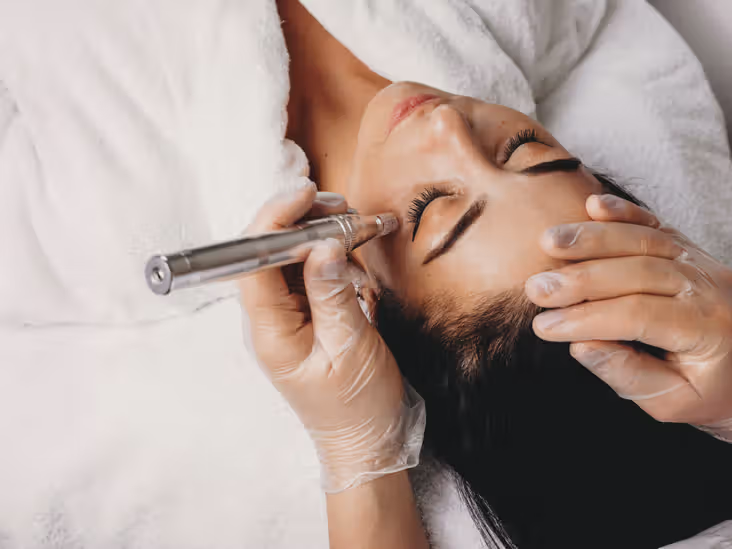
In addition to topical products, various clinical treatments can enhance pigmentation management. Chemical peels, laser therapy, and microdermabrasion are widely used to reduce pigmentation by targeting melanin deposits and promoting skin renewal. Consulting a dermatologist is recommended to determine the most appropriate treatment based on skin type and pigmentation severity.
The Importance of Consistency in Skincare for Pigmentation
Addressing pigmentation requires time and regular application of targeted skincare. Consistent use of appropriate products supports gradual lightening and prevents the recurrence of hyperpigmentation. Skincare routines should be tailored to individual skin sensitivity to avoid irritation, which can exacerbate pigmentation problems.
Choosing the Right Products for Pigmentation
Selecting high-quality skincare for pigmentation is crucial. Products containing effective concentrations of active ingredients combined with a formula suitable for one’s skin type provide better outcomes. It is advised to prioritise brands with proven efficacy and safety standards.
Additional Skincare Tips for Managing Pigmentation
Besides targeted treatments, incorporating gentle cleansing and moisturising helps maintain skin barrier health, essential for pigmentation control. Avoiding harsh scrubs or abrasive products reduces the risk of inflammation and post-inflammatory hyperpigmentation. Incorporating antioxidants through serums or moisturisers can aid in protecting the skin from environmental stressors contributing to pigmentation.
Diet and Lifestyle Considerations
A balanced diet rich in vitamins and antioxidants supports skin health from within. Hydration is equally important, as it maintains skin elasticity and barrier function. Reducing exposure to environmental pollutants and limiting direct sun exposure also play significant roles in managing pigmentation effectively.
When to Seek Professional Advice
If pigmentation is persistent, worsening, or accompanied by other skin abnormalities, consulting a dermatologist is recommended. Professional assessment can rule out underlying medical conditions and inform appropriate treatment strategies.
Common Misconceptions About Pigmentation Care
One misconception is that pigmentation can be instantly removed with over-the-counter products. In reality, pigmentation treatment requires patience and consistent use of correctly formulated skincare. Another is that sunscreen is only necessary on sunny days, while UV radiation affects the skin year-round.
The Role of Patience in Pigmentation Treatment Success
Effective pigmentation treatment is a gradual process. Visible improvements may take weeks to months depending on the depth and extent of pigmentation. Patients are advised to maintain realistic expectations and adhere to their skincare regimen diligently.
Summary
Overall, managing pigmentation effectively involves understanding its causes, selecting appropriate skincare for pigmentation, integrating sun protection, and considering professional treatments where necessary. Consistent care, avoidance of aggravating factors, and professional guidance form the foundation of successful pigmentation treatment.