Dry Shampoo Lawsuit: The Ultimate Consumers’ Handbook
Introduction
The dry shampoo lawsuit has caused serious alarm among various consumers who have been utilizing these products as an integral aspect within their daily hair care routine. Dry shampoo was previously recognized as a completely safe and convenient alternative method for washing hair. However, today it is under intense scrutiny as a result of allegations involving hazardous components associated with serious health threats.
As news about lawsuits continues to arise, there are several people who want to know if dry shampoo is even safe and which brands have been impacted. The comprehensive resource below breaks down the dry shampoo lawsuit so people can understand it better and learn what they can do about it. Have you checked our detailed guide on pfas lawsuit update.
What Is the Dry Shampoo Lawsuit About?
The dry shampoo lawsuit can be described as an action filed against companies that produce and distribute dry shampoo contaminated with benzene. Dry shampoo lawsuits have been driven primarily because benzene, a highly toxic and cancer-causing substance, has been detected.
According to the plaintiffs, manufacturers have failed to adequately test products, failed to put warning labels on products about risk of contamination, and continued selling dry shampoo despite knowing about risks associated with it. As a consequence, people may have been harmed due to prolonged exposure.
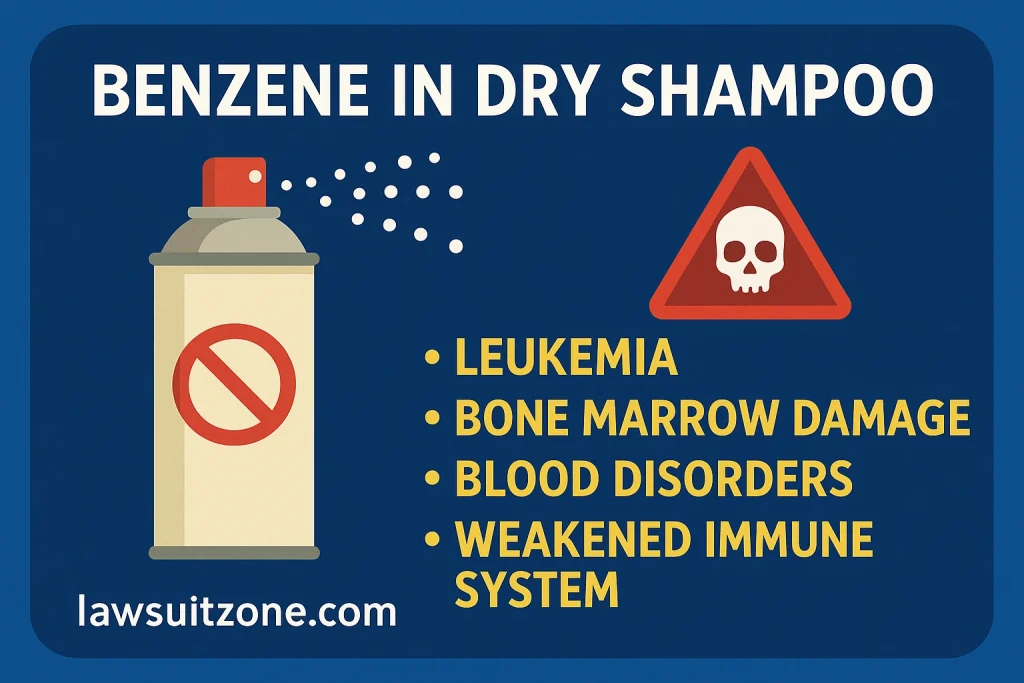
Benzene represents a substance well recognized as a carcinogen for humans. It should not be an active component within cosmetic products, and notably so with products intended for use on the scalp and then subsequently inhalation.
Prolonged benzene exposure is associated with the following:
- Leuk
- Bone marrow damage
- Blood disorders
- Weakened immune system
As dry shampoo is a product that is commonly used on multiple days a week, even marginal usage can add up. It is precisely due to this cumulative usage that the dry shampoo lawsuit uses “usage” as a highly persuasive fact.
As per safety data from the U.S. Food and Drug Administration, benzene should not be detectable in personal care products because it poses health hazards.
How Benzene Gets into Dry Shampoo
Benzene can be accidentally introduced into dry shampoo via:
- Manufacturing processes
- Use of aerosol propellants
- Improper storage or packaging
- Supply chain contamination
Dry shampoo products have also been widely available as aerosol sprays, making it more likely for people to inhale them. Plaintiffs argue that before reaching stores and homes, these dangers could have and should have been uncovered and eliminated by manufacturers.
Symptoms Experienced by Those Who Use Dry Shampoo
The lawsuit against dry shampoo illustrates some of the side effects that people have complained about. Even though not everyone may have problems with these side effects, it still poses a risk with repeated usage.
Short-Term Symptoms
- Headaches
- Dizziness
- Nausea
- Scalp irritation
- Breathing problems
Long-Term Health Issues
- Blood cancers
- Chronic fatigue
- Suppression of immune system
- Bone marrow disorders
Plaintiffs assert that they were never warned about these potential risks and that it is a main issue among dry shampoo lawsuits.
Why Dry Shampoo Became So Popular
Dry shampoo as a product proliferated within modern hair care because it ensured convenience. It is normally applied for these purposes:
- Extend time between washes
- Refresh hair after workouts
- Keep hairstyling
- Save time while traveling
That’s why contamination risk is so serious. The more commonly a product is used, the greater the risk of exposure—an aspect that’s so significant within the dry shampoo lawsuit.
Brands and Products Involved in Lawsuits
Several popular brands of dry shampoo have been implicated in product recalls and lawsuits based on independent testing that showed benzene contamination.
Although not all products manufactured by these brands were hazardous, it is alleged that they have failed to:
- Process safety testing properly
- Warn consumers urgently
- Eliminate contaminated products promptly
All these depend on product batch numbers and usage as well as medical outcomes.
Who May Be Eligible for a Dry Shampoo Lawsuit?
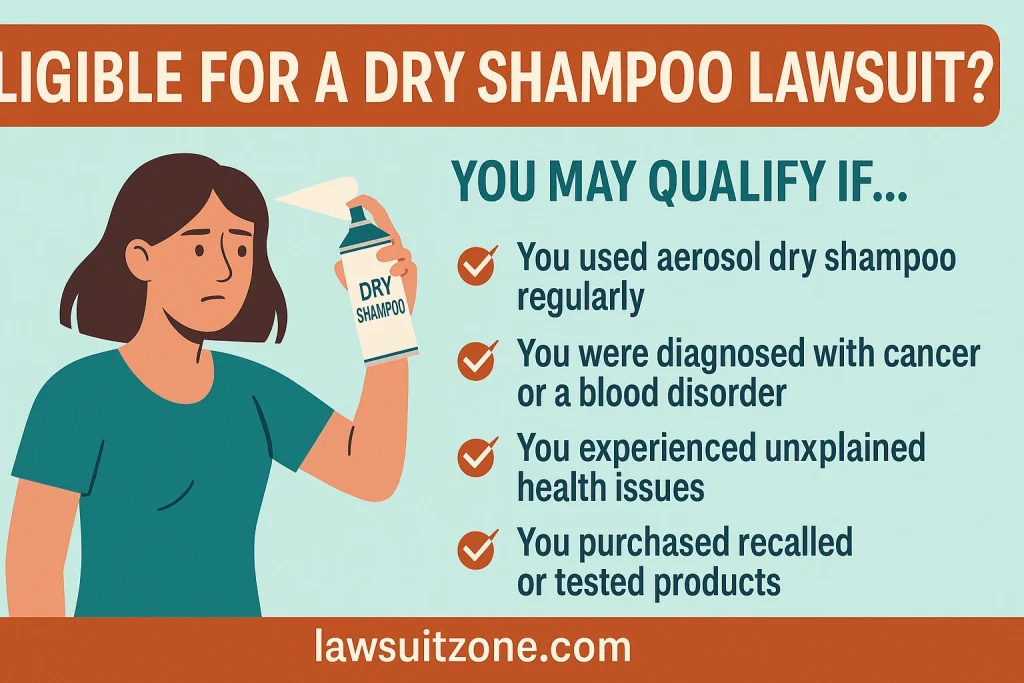
You could be eligible for filing or joining a dry shampoo class action lawsuit if:
- You were using aerosol dry shampoo regularly
- You were diagnosed with cancer or a blood disorder
- You have experienced unusual physical complaints
- You bought recalled or tested products
Some lawsuits may deal with physical harm, and some may relate to consumer protection and false advertising.
Kinds of Legal Claims That Are Being Filed
Product Liability
All these allegations assert that dry shampoo product offerings were defective and posed a risk to consumers.
Manufacturer’s Failure to Warn
Companies can be potentially liable for failure to notify consumers about possible contamination.
Negligence
Allegations about failures on the part of enterprises regarding appropriate production and safety procedures.
Misrepresenting and Misleading Advertising
There are some lawsuits about promoting products as being safe, clean, and gentle even with known dangers.
Actual and Potential Compensation for Dry Shampoo Victims
Dry shampoo lawsuit compensation will rely on the extent of damages. The following are some of the damages that may be sought:
- Medical costs
- Ongoing treatment costs
- Lost wages
- Pain and suffering
Situations that relate to cancer and illness will usually see a higher amount being awarded.
Class Action vs Individual Lawsuits
Class Action Lawsuits
- Many people are covered because of a single lawsuit
- Faster resolution
- Lower individual payouts
Individual Lawsuits
- Personalized legal claims
- Higher compensation potential
- Requires detailed medical records
A lawyer can assist in identifying which option would be more applicable to your case.
Actions to Take if You Believe That You Were Impacted
If you suspect your health might be affected by dry shampoo usage:
- Do not use the product anymore
- Consult a doctor
- Save your receipt and product packaging
- Maintain medical and diagnosis records
- Hire an experienced product liability attorney
Early intervention can greatly improve your position.
Whether Dry Shampoo Products Are Still Safe for Use
Not all dry shampoo products are hazardous. However, some safety measures can be followed by consumers:
- Reducing aerosol use
- Alternative considerations
- Checking recall announcements
- Reading labels carefully
Awareness among customers is necessary during these times.
Effect of the Dry Shampoo Lawsuit on the Beauty Industry
The effects of the dry shampoo lawsuit have already begun impacting standards within the cosmetic industry. Expectations include:
- Improved safety controls
- Increased transparency
- Strengthened regulations
All these changes could result in safer personal care products and better consumer protection in the future.
Frequently Asked Questions
Conclusion
The dry shampoo lawsuit is a strong warning that everyday products have strict safety guidelines. Although dry shampoo remains a highly sought-after product, recent lawsuits demonstrate the value of transparency, testing, and consumer knowledge. If you rely on dry shampoo and have concerns about your health, it is important to understand your rights.