CPAP Lawsuit 2025 Guide: Recall Risks, Eligibility & Compensation
Introduction
Within the last couple of years, the CPAP lawsuit has grown into one of the major medical-device litigations within the United States. Millions of people suffering from sleep apnea relied on recalled CPAP, BiPAP, and ventilator devices for something as important as being able to breathe safely during sleep. When news broke that the foam inside certain Philips machines could break down and be inhaled, many users were left shocked, confused, and worried about what these exposures might mean for their health.
People who use the recalled machines often describe a mix of emotions: anger that safety issues weren’t communicated sooner, fear about long-term health effects, and frustration about trying to replace a device they rely on. This comprehensive guide breaks everything down in a calm, human way so you understand what happened, what users have reported, and what it means if you or a loved one used a recalled machine.
This is neither medical nor legal advice—just a very clear, structured overview that will help you understand the big picture behind the CPAP lawsuit. Have you checked our detailed guide on gardasil vaccine lawsuit.
What CPAP Machines Do & Why They Matter
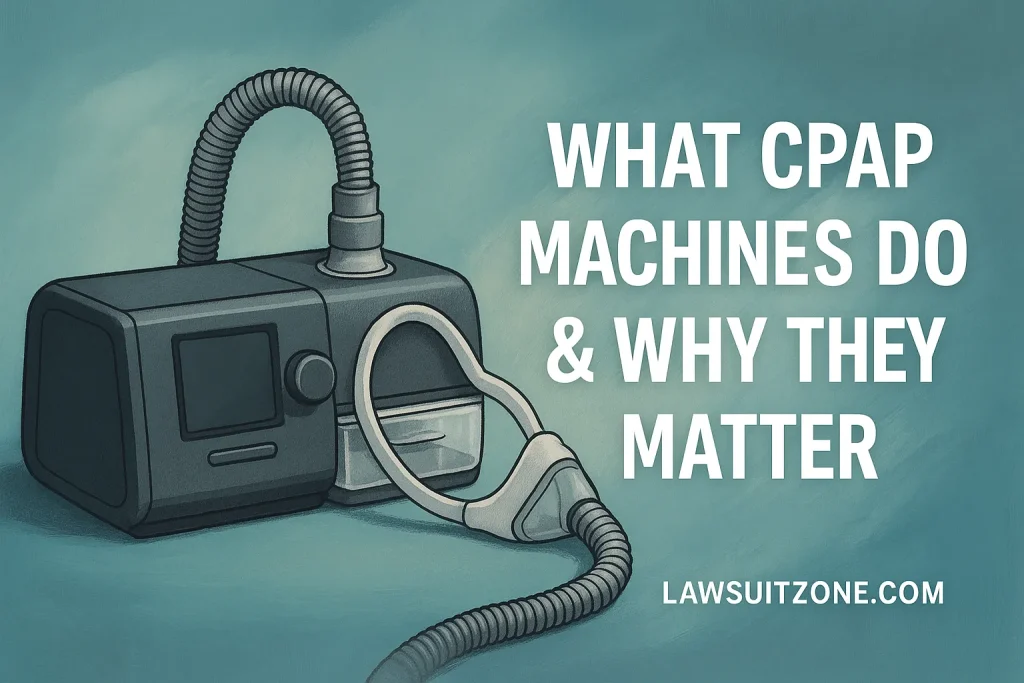
A CPAP machine is more than just a device—it’s a lifeline for millions living with obstructive sleep apnea. In absence of this steady flow of air, people may snore loudly, stop breathing for short lengths of time, wake up repeatedly throughout the night, or suffer from dangerously low oxygen levels.
CPAP devices help by:
- Keeping the airway open
- Improving oxygen flow
- Reducing nighttime wakings
- Lowering long-term risks of heart strain
- Giving users deeper, restorative sleep
Because sleep apnea impacts health around the clock, many users rely on CPAP therapy every single night. That’s why the recall shook the sleep-health world so deeply.
How the CPAP Recall Began
In June 2021, Philips issued a massive recall involving millions of CPAP, BiPAP, and ventilator devices. At the root of the issue was a type of sound-dampening material called PE-PUR foam. This foam helps reduce noise, but over time, it was found to:
- Break into small particles
- Degrade into dustlike fragments
- Release chemical vapors
- Potentially enter the user’s air pathway
Some people reported strange odors emanating from their machine long before the recall was issued. Others said that they noticed black specks inside the tubing or mask without knowing what those were.
The official public information on this recall is maintained by a major health authority many people would naturally come to for device safety and updates: FDA CPAP Recall Information.
The recall sparked deep concern and opened the door for thousands of legal claims now grouped into the ongoing CPAP lawsuit.
Why Philips CPAP Users Filed Lawsuits
Generally, lawsuits filed against Philips make the following arguments:
- Did not warn users in a timely way
- Knew about the risks of foam degradation more than they disclosed
- Released machines with materials that did not withstand long-term use
- Failed to test the foam for breakdown related to heat, humidity, or cleaning
- Did not communicate clearly upon the presentation of early complaints
- Created replacement units that some users said still caused discomfort
For many, the lawsuit is not only about physical harm; it is about the sense of betrayal inflicted by a product positioned to support their health—not threaten it.
Health Symptoms of CPAP Users
Everyone’s experience is different, but a broad array of symptoms are represented in legal filings, patient accounts, and reports related to recalls.
Below is a detailed overview of the most commonly reported issues.
1. Problems in Breathing and Airway
Users commonly report:
- Persistent coughing
- Chest tightness
- Wheezing
- Difficulty breathing deeply
- Irritated throat
- Raspy voice in the morning
Some people claim that their symptoms alleviated once they stopped using the recalled machine.
2. Sinus and Nasal Issues
Many people with sleep apnea already use CPAP to reduce congestion. Some users reported after the recall:
- Chronic sinus irritation
- Stuffy or runny nose
- Unexplained sinus infections
- Burning sensation in nasal passages
Irritation of sensitive tissues may be caused by foam particles or gases.
3. Headaches, Dizziness & “Chemical Smell” Complaints
Users have said:
- Morning headaches
- Pain around the temples
- Sudden dizzy spells
- Strange smell coming from the machine
- Metallic or chemical taste when using the mask
Some describe the smell as “burnt,” “industrial,” or “like glue.”
4. Skin, Eye & Facial Irritation
Potential exposure to foam dust may cause:
- Red, watery eyes
- Itchy face
- Rashes at sites of mask straps
- Irritation where the air stream hits the face
Even minor contact can cause irritation among people with sensitive skin.
5. Symptoms of Digestive and Nausea
A smaller but notable group reported:
- Upset stomach
- Nausea
- Burping chemical-like air
- Loss of appetite
Some think they inhaled or swallowed microscopic fragments of foam.
6. Sleep Disturbance & Emotional Distress
Even before physical symptoms, people describe emotional impacts such as:
- Anxiety about using the machine
- Fear about long-term health consequences
- Sleep disruption after learning of the recall
- Stress to replace the device
- Worry about financial impacts
For many people, CPAP means confidence and safety in sleep. The recall often flipped that sense of security.
Which CPAP Machines Were Recalled?
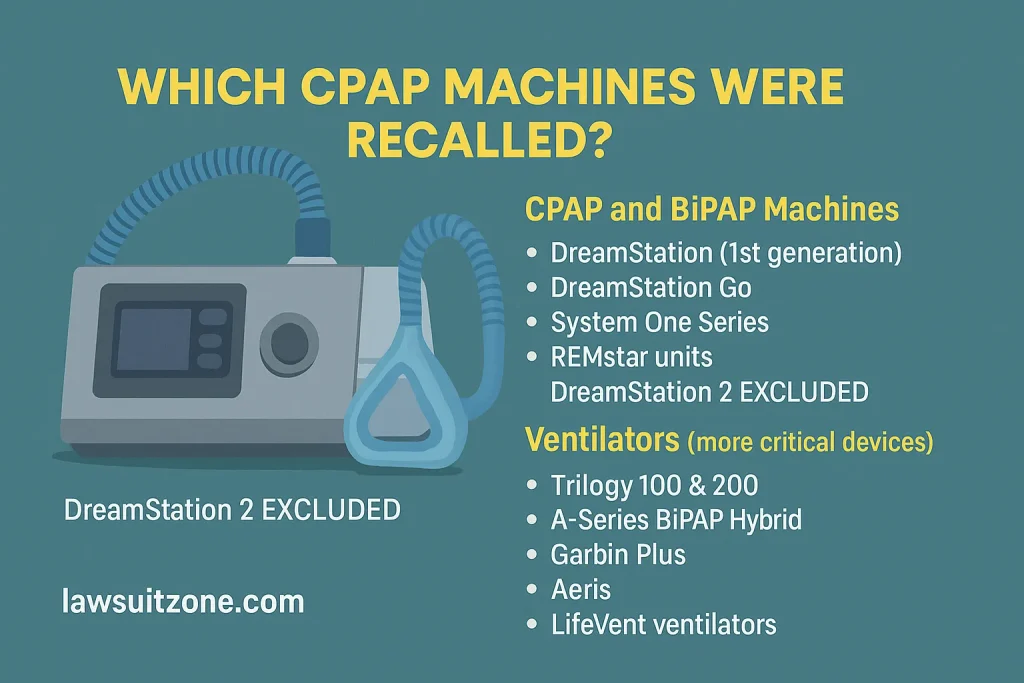
Philips recalled a long list of machines used nightly in homes and hospitals. The recall included:
CPAP and BiPAP Machines
- DreamStation (first generation)
- DreamStation Go
- System One Series
- REMstar units
- Dorma CPAP devices
Ventilators (more critical devices)
- Trilogy 100 & 200
- A-Series BiPAP Hybrid
- Garbin Plus
- Aeris
- LifeVent ventilators
DreamStation 2 was not included because it used different materials.
Who May Qualify to File a CPAP Lawsuit?
You may be qualified for a CPAP lawsuit if:
1. You used a recalled Philips device
Even if you are not sure, you can check serial numbers or look into recall lookup tools.
2. You Developed Symptoms
This can include respiratory problems, headaches, sinus irritation, skin reactions, or other complaints detailed in medical records.
3. Your life was disrupted
Examples include:
- Having to replace the device out-of-pocket
- Changes in sleep quality
- Anxiety about long-term effects
- Work or daily disruptions
4. You have medical or symptom documentation
Such as:
- Doctor’s notes
- Prescriptions
- Chest X-rays
- ENT exams
- Sleep study updates
- Symptom logs
5. You Still Own the Device
The machine should be kept for evidence purposes.
Not everyone qualifies, but many people fit the basic elements needed to explore a claim.
Evidence That Helps Support a CPAP Claim
The strongest cases usually involve:
- Proof of device ownership
- Photos showing the foam debris, if any
- Medical visits related to new or worsening symptoms
- Receipts for treatments or new CPAP units
- Sleep-study comparisons
- A timeline relating symptoms to machine use
Others also add documentation of emotional distress, like journal entries or notes about sleep problems.
Types of CPAP Lawsuits
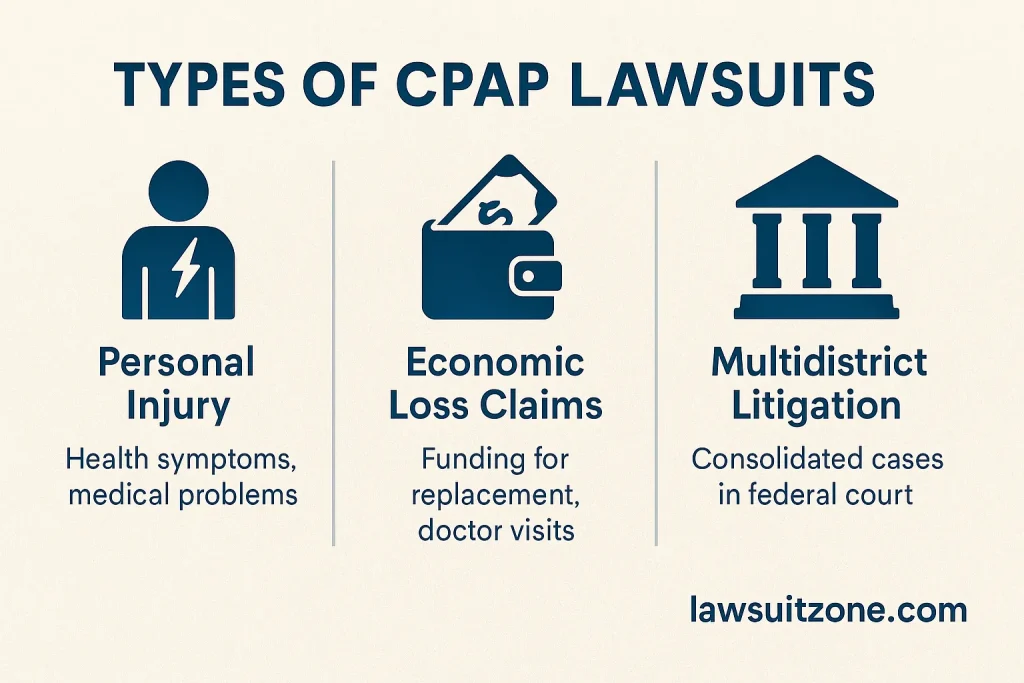
To understand where your experience fits, the following are the most common types of claims:
1. Personal Injury
Affects users who experienced health symptoms or medical problems.
2. Claims for Economic Loss
Filed by people facing financial burdens, such as:
- Purchasing a new machine
- Repair costs
- Doctor visits
- Missed work
3. Multidistrict Litigation (MDL) Cases
The majority of CPAP lawsuits are consolidated in a federal MDL.
This expedites the process and handles shared evidence while keeping individual claims distinct.
The CPAP Lawsuit Process: Explained in Steps
Step 1 — Case Review
A legal team reviews your symptoms, machine use, and documentation.
Step 2 — Filing the Lawsuit
Your claim is officially filed against Philips.
Step 3 — Discovery Phase
Lawyers exchange:
- Medical records
- Device data
- Philips internal documents
- Scientific analyses
- Depositions
Step 4 — Bellwether Trials
Only a select few cases go to trial first.
These trials help estimate the value of future settlements.
Step 5 — Settlement Negotiations
Settlements for certain groups of cases may be offered if patterns emerge.
Step 6 — Trial (if necessary)
Unresolved cases may go to court individually.
Status of the CPAP Lawsuit in 2025
As of 2025, the CPAP litigation remains active. Key updates include:
- Thousands of lawsuits consolidated into MDL
- Additional cases filed every month
- Philips continuing remediation and replacement efforts
- Courts reviewing scientific and corporate evidence
- Negotiations in progress for some claims
- Replacement unit concerns raised by some users
- No universal settlement yet concluded
Legal experts say the year will likely see significant movement in the litigation process as more bellwower trials continue through 2025.
Possible Compensation for CPAP Lawsuit Claims
Compensation varies depending on severity, documentation, and impact on daily life.
Economic Damages
- Hospital or clinic visits
- Pulmonary or ENT specialist care
- Medications
- Sleep study updates
- Replacement CPAP purchases
- Lost wages
- Transportation to medical appointments
Non-economic Damages
- Pain and discomfort
- Sleep disruption
- Anxiety about using the device
- Emotional distress
- Reduced enjoyment of life
- Limitations in performing daily activities
Punitive Damages
These may be awarded if courts find serious negligence.
Statute of Limitations: Time Matters
Each state establishes its own deadlines for filing a claim.
In many states, this timeline is:
- 1–3 years from symptom discovery
- Sometimes extended for hidden or gradual injuries
Many CPAP users still qualify because they didn’t know about the problem with the foam until months or years after using the device.
What to Do if You Think Your CPAP Device Hurt You
If you believe that your recalled CPAP machine affected your health, here are steps that may help guide your next move.
1. Keep the Recalled Device Safe
Do not discard it—it could be an important piece of evidence.
2. Document All Symptoms
Create a timeline of respiratory issues, headaches, sinus problems, or any other concerns.
3. Collect Medical Records
Collect reports from:
- Primary care physicians
- Pulmonologists
- ENT specialists
- Sleep technicians
4. Track Expenses
Save receipts for medical visits, medications, and replacement machines.
5. Stay Educated
Understanding the CPAP lawsuit can empower you to make confident decisions about your health and legal rights.
Frequently Asked Questions
Final Thoughts
The CPAP lawsuit represents a moment of reckoning for the very device people trusted to improve their health. For millions, CPAP therapy is not optional—it’s necessary. When any kind of safety issue appears in something that matters to such a high degree, the uncertainty and stress are understandable.
This guide is meant to empower you with knowledge: helping you understand the recall, the reported health effects, who may qualify for a claim, and how the legal process typically unfolds. While it does not substitute for medical or legal advice, this guide clearly outlines a roadmap so that CPAP users feel informed, supported, and prepared to take their next steps with confidence.