Big Rigs on Highway 99: How Tractor-Trailer Claims Work in California’s Central Valley
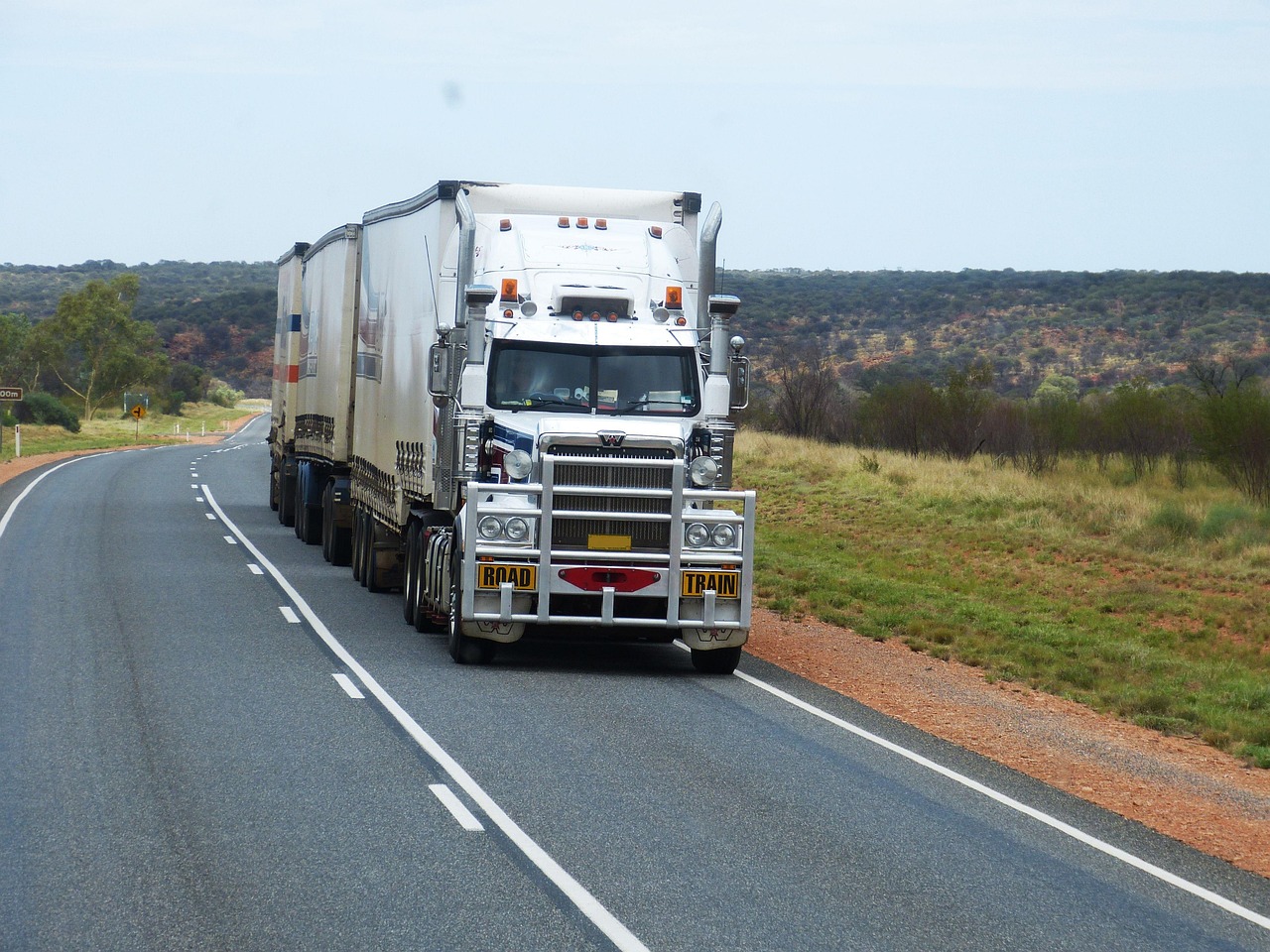
Highway 99 runs the length of the Central Valley, and for much of the year it feels like a freight corridor with passenger cars squeezed in between. Produce trucks, dairy tankers, and long-haul rigs share narrow lanes with commuters heading into Fresno, Modesto, and Bakersfield.
When a tractor-trailer crash happens on this road, the injuries tend to be serious. The legal process that follows is shaped by California rules on fault, deadlines, and the records trucking companies keep.
Why the Valley Corridor Is Different
Several conditions make Highway 99 more demanding than many interstates. Older stretches still have short merge lanes and tight interchanges. Harvest season brings slow farm equipment and heavily loaded trucks onto the same lanes as 70-mph traffic.
Winter adds tule fog, a dense ground fog that can cut visibility to almost nothing in minutes. Chain-reaction collisions in fog are a known hazard, and a heavy truck needs far more distance to stop than a car.
Drivers hurt in these conditions often wonder whether weather alone explains the crash. Usually it does not. Speed, following distance, and the choice to keep driving in near-zero visibility remain human decisions, and a tractor-trailer accident lawyer in California will typically look at each of them before accepting a fog-only explanation.
Caltrans posts fog warnings and sometimes runs pace operations behind patrol cars on the worst mornings. Whether a truck driver heeded those warnings can become a central fact.
Who May Be Responsible
A tractor-trailer claim rarely involves only the driver. Depending on the facts, responsibility can extend to:
- the motor carrier that employed or contracted with the driver
- a shipper or packer that overloaded or improperly balanced a trailer
- a maintenance provider responsible for brakes or tires
- a broker that hired a carrier with a poor safety history
Sorting out these relationships takes time and documents. Each additional party may have its own insurer, its own lawyers, and its own reasons to shift blame onto someone else, including the injured driver.
Partial Blame in California
California never bars a claim just because the injured driver made a mistake too. Fault is split by percentage, and the award shrinks by the driver’s own share.
A driver pinned with 40 percent of the blame still collects 60 percent of the loss. Insurers know this and often focus on reducing the percentage rather than denying the claim outright.
Two Years on the Clock
California generally gives an injured person two years to file suit, a limit found in Code of Civil Procedure § 335.1. Damage to the vehicle itself gets more time, but the injury claim follows the shorter clock.
Public defendants play by other rules. When a Caltrans truck, a city vehicle, or a badly designed road is part of the story, a written government claim is usually due within six months.
Hours, Logs, and Truck Data
Federal hours rules cap interstate drivers at 11 hours behind the wheel inside a 14-hour workday, and California sets its own limits for many drivers who never leave the state.
The truck’s logging device keeps a running tally of those hours. Its engine computer saves speed, brake, and throttle readings from the last seconds before a collision, and a lot of fleets add cab and road cameras on top.
This information is powerful but perishable. Carriers may overwrite it on a routine schedule unless they receive a timely request to preserve it.
Mistakes That Weaken a Claim
Some of the most common problems come from the days right after the crash. Lawsuit Zone’s guide on what not to do after a truck accident highlights several, and they apply in the Valley as much as in Orange County.
The most frequent ones include giving a recorded statement to the carrier’s insurer, delaying medical care, and discarding damaged property before it is photographed. Posting about the crash on social media can also create problems, since insurers routinely check public profiles for anything that suggests the injuries are minor.
The Road Ahead
Tractor-trailer cases on Highway 99 tend to be document-heavy and contested. The trucking company’s records, the physical evidence, and medical documentation all carry weight.
Understanding the deadlines, the fault rules, and the parties involved early gives an injured person a far stronger position than waiting for an insurer to define the case.
Read more: THE REAL COST OF A FAIRFIELD CRASH AND WHY THE INSURANCE COMPANY IS NOT YOUR FRIEND
The material above is general background on Central Valley truck claims and California rules, not legal advice for a particular crash.