Smile Direct Club Lawsuit 2025: The Complete Consumer & Legal Guide
Introduction: How a Smile Turned into a Legal Battle
Your smile should bring confidence not legal headaches. That was the dream behind Smile Direct Club (SDC), a startup that promised straighter teeth at half the cost of braces. For millions, it sounded revolutionary: no waiting rooms, no monthly orthodontist visits, just aligners shipped to your door.
But in the real world, things got much more complicated. Behind all the shiny advertising, SDC was hit with waves of lawsuits, consumer complaints, and professional pushback. In late 2023, the company went bankrupt, leaving thousands of patients questioning refunds or incomplete treatments.
Today in 2025, the Smile Direct Club lawsuit remains a work in progress, a landmark case in the battle between innovation and consumer protection.
This guide is your entire, humanized analysis from SDC’s rise and fall to its defenses, lawsuits, and what consumers can take away. Have you checked our detailed guide on ea class action lawsuit.
What Distinguished Smile Direct Club?
The Disruption Model
SDC opened in 2014 with a daring promise: straighten your smile without ever leaving home. Patients bypassed orthodontists and did the following:
- Ordered a do-it-yourself impression kit or went to a SmileShop.
- Received a remote treatment plan from a licensed orthodontist or dentist.
- Got aligners in their mailbox within weeks.
Why People Said “Yes”
- Reduced Costs: Median treatment $1,950 compared to $5,000–$8,000 for braces.
- Convenience: Fewer visits to the office, no regular adjustments.
- Aggressive Marketing: SDC utilized social media, celebrity testimonials, and glowing commercials that guaranteed Hollywood smiles.
But innovation came at a cost: critics accused it of shortchanging dental safety and promising more than it could deliver.
Why Did the Smile Direct Club Lawsuit Begin?
The SDC lawsuits are multifaceted, but the majority of them fall into four broad categories.
1. Consumer Complaints
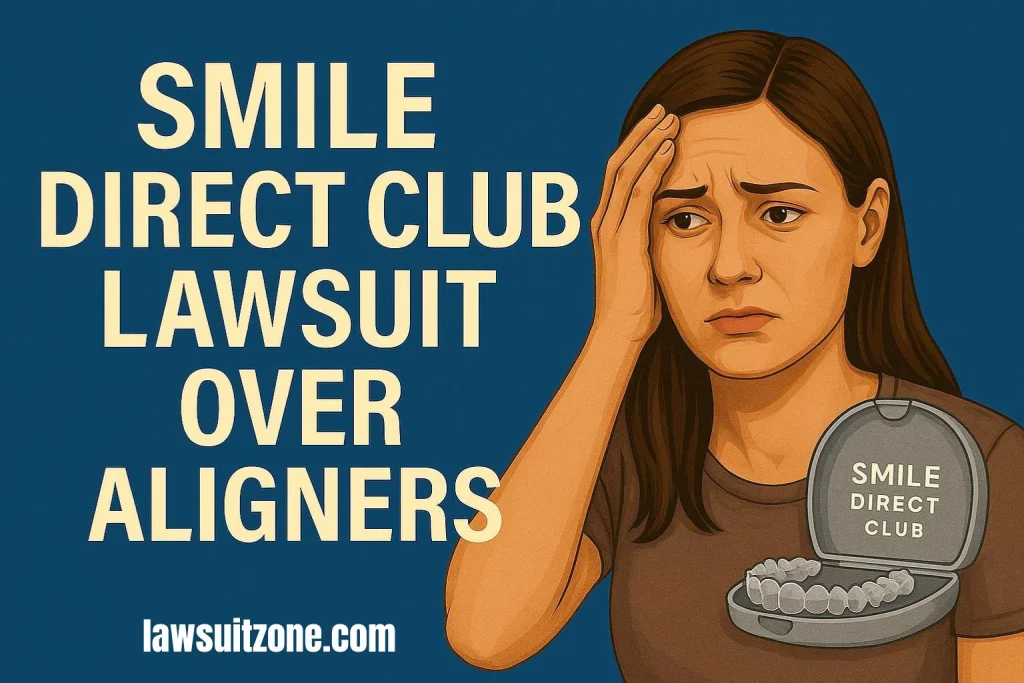
Thousands of customers complained about:
- Aligners that failed to fit, resulting in bleeding gums, jaw pain, and headaches.
- Dental conditions worsening, which needed costly correction later on.
- Difficulty reaching customer service for assistance, refunds, or adjustments.
2. Professional Pushback
Dentists and orthodontists contended that:
- SDC cut corners on in-person checks and X-rays required.
- Patients were guaranteed results with insufficient supervision.
- Telehealth dentistry was limited that SDC overlooked.
3. Regulatory Scrutiny
State agencies and boards wondered:
- SDC was illegally providing dentistry without physical exams.
- Advertising guaranteed outcomes the company could not deliver.
- Refund and cancellation policies were contrary to consumer protection laws.
4. Bankruptcy Fallout
When SDC went Chapter 11 bankruptcy in 2023, litigation multiplied. Prepaying patients suddenly were left with uncertainty would their treatment be complete? Would they ever receive refunds?
Timeline of the Smile Direct Club Lawsuit
- 2014–2016: SDC opens and quickly grows. First complaints appear from professionals.
- 2017–2018: Dental association lawsuits alleging unsafe practices by SDC.
- 2019: Class actions start in U.S., with emphasis on deceptive advertising.
- 2020–2021: Inconsistent court decisions—some settlements, ongoing litigation.
- 2022: Financial losses become deeper; consumer complaints are up.
- 2023: Bankruptcy filed, triggering new lawsuits regarding refunds and incomplete treatments.
- 2024: Courts consolidate cases into massive class-action suits in U.S. and Canada.
- 2025 (Update): Litigation continues, regulators considering tougher regulation of telehealth orthodontics.
Smile Direct Club’s Defense
As much as there was criticism, SDC repeatedly stood its ground:
- “Affordable Smiles for All” Argument: Asserted it provided orthodontic treatment that was out of reach for many before.
- Licensed Oversight: Claimed dentists and orthodontists were still in charge—just not locally.
- Success Stories: Released patient testimonials with outstanding results.
- Settlements Without Guilt: Settled with some claims but refused to admit wrongdoing.
The Human Impact: Patient Stories
Lawsuits are more than papers they’re about people.
- Jessica, 28 (California): “I paid upfront for the entire treatment. Having gone through bankruptcy, I never received my last set of aligners. My bite is worse now and I’m out $2,000.”
- Marcus, 40 (New York): “I was at first impressed. But three months later, my gums were bleeding. When I attempted to get in touch with SDC, no one contacted me for weeks.”
- Sophie, 19 (Florida): “It was less expensive than braces, and I figured it was safe. Now my parents have to pay another orthodontist to correct what went wrong.”
Those experiences became evidence in lawsuits, illustrating the dangers of healthcare shortcuts.
The Legal Side: How Class Actions Work
Class action lawsuits enable many people to join claims against a company.
- Strength in Numbers: Thousands spent individually by patients may be unable to battle SDC individually but collectively, they hold bargaining power.
- Potential Consequences:
- Partial refunds.
- Settlements by companies.
- Telehealth dentistry policy changes.
Bankruptcy makes payouts difficult because assets are shared among creditors.
In the case of Smile Direct Club, class actions have been brought in several states, leaving it with legal woes even in the event of bankruptcy.
Effect on the Dental Industry
The suit has resonated across dentistry and telehealth.
- Orthodontists Say They’re Vindicated: Several cautioned patients about do-it-yourself aligners. The lawsuits confirmed their fears.
- Competitors Pivot: Companies such as Byte and Candid focus on more intense dentist oversight in advertising.
- Regulation on the Way: States and potentially federal agencies could start requiring tighter regulations for mail-order dental firms.
Psychological Factor: Why Patients Took the Risk
Why did millions sign up even with risks?
- Pressure to Save: SDC was pricey; traditional braces are very costly.
- Marketing Power: Commercials guaranteed “confidence in your smile” within months.
- Trust in Technology: Patients trusted telehealth to safely substitute in-office visits.
- Desperation: Patients hoped for fast fixes before weddings, graduations, or other milestones.
The lawsuit reveals how financial strain and emotions can cause individuals to ignore risks.
Lessons for Consumers
- Read Reviews Carefully: Third-party testimonials count.
- Check Refund Policies: Particularly in healthcare, cancellation policies are important.
- Understand Telehealth Limits: Remote care can’t replace in-person exams consistently.
- Consult an Orthodontist: Even if you intend to go with mail-order aligners, seek a professional opinion initially.
Lessons for Healthcare Startups
- Don’t Overpromise: Marketing should catch up with realistic outcomes.
- Transparency is Key: Communicate clearly and build trust.
- Balance Innovation and Safety: Care that’s affordable shouldn’t be at the expense of quality.
- Regulatory Awareness: Healthcare is an extremely regulated environment—compliance is survival.
Extended FAQs: Smile Direct Club Lawsuit 2025
Final Thoughts: Innovation Meets Accountability
The Smile Direct Club lawsuit 2025 update is not just a tale of one company it’s a cautionary tale about healthcare innovation without adequate protection.
For patients, the takeaway is simple: cheap doesn’t always equal safe.
For startups, the takeaway is that trust, transparency, and compliance are essential.
For regulators, it’s evidence that the law needs to catch up to new models of care.
Smile Direct Club’s ascent and descent is both inspiring and cautionary a view into how disruption in medicine must tread a fine line between affordability and responsibility.