Complete Guide to the Dapper Development Lawsuit
Introduction
The Dapper Development lawsuit has been a hot topic of conversation in both the business and tech worlds. It’s a case that combines elements of partnership dispute, online innovation, and the multifaceted intersection of corporate structure with new financial technology.
Though the name “Dapper Development” has appeared in various legal battles, the most well-known cases are those involving real estate partnerships that have failed and digital asset controversies surrounding high-profile blockchain projects.
The piece presents a complete, reader-friendly summary of the Dapper Development suit why it happened, what it entails, how it transpired, and why it’s more than just another daytime drama. Have you checked our detailed guide on shein lawsuit.
What Is the Dapper Development Lawsuit?
The Dapper Development case is all about disagreements related to ownership rights, company control, and supposed mismanagement between business partners. It is also used, in general discussions, for the series of lawsuits questioning how today’s companies deal with investor relationships and asset classification particularly in new industries such as blockchain and NFTs.
At its essence, the Dapper Development lawsuit is a battle between innovation and responsibility. Whether in real estate development or technology, the same holds true: when business deals are unclear or opaque, lawsuits are apt to follow.
The Background Story

Dapper Development began as a dream a partnership among businesspeople working to build value in real estate and online business ventures. But as the venture grew larger, disputes over how to make decisions, share profits, and interpret contracts emerged.
On the real-estate aspect of the controversy, co-founders supposedly clashed over asset management, decision on important financial matters, and how members could be dropped from ownership. These internal conflicts spawned several legal cases with allegations of breach of contract, abuse of authority, and violation of fiduciary duties.
In the technology division of the controversy, investors claimed that the digital tokens and NFT-based assets linked to specific “Dapper”-brand products functioned like securities without regulation. Although these issues arose independently, they had something in common: no governance clarity in rapidly evolving industries.
Why Did the Lawsuit Occur?
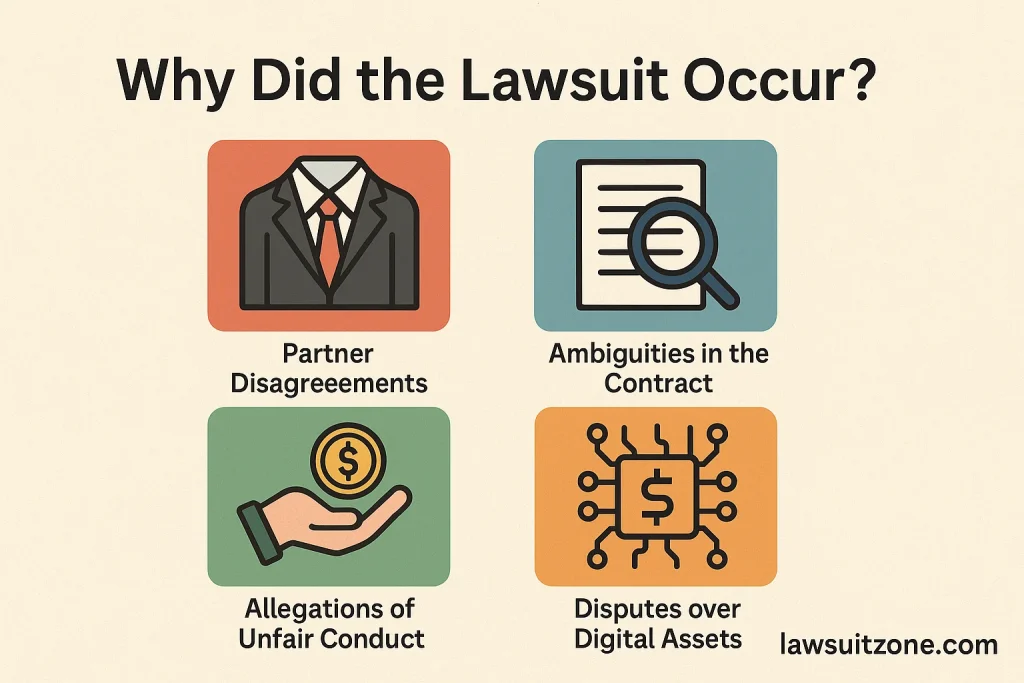
All lawsuits start with trust shattered and the Dapper Development lawsuit is no different.
Below are the primary reasons why this conflict evolved:
1. Partner Disagreements
In the partnership for development, disputes over control, right to vote, and proportion of ownership rose. One of the members was purportedly ousted from management under disputed conditions, prompting the court chain reaction.
2. Ambiguities in the Contract
Some of the arguments concerned how the operating agreement described termination rights and valuation procedures. When critical clauses are ambiguous, both parties may say they are “right,” and it is then up to the courts to adjudicate.
3. Allegations of Unfair Conduct
Others accused them of bad faith making choices that benefited them rather than the business. These are usually accompanied by breach of fiduciary duty, which is among the gravest accusations in a partnership arrangement.
4. Disputes over Digital Assets
The second wave of the Dapper Development lawsuit was about digital asset classification — whether NFTs or tokens would be classed as securities. Investors accused the company of maintaining too much control over asset pricing and liquidity, generating a profit expectation like conventional investment assets.
Timeline of the Dapper Development Lawsuit
For a better comprehension of how the case progressed, here is a breakdown of key milestones in a simplified timeline:
- 2022: Disagreements about partnerships escalate as members challenge management decisions.
- Early 2023: Legal notices are sent back and forth regarding suspected contract breaches.
- Mid-2023: A complaint is formally filed in court, alleging breach of contract, fiduciary duty, and misrepresentation.
- Late 2023: Counterclaims are filed accusing the other side of defamation and misappropriation of company funds.
- 2024: Negotiations for settlements start, although litigation continues on unsettled ownership valuation.
- 2025: The case continues to be ongoing, with deeper implications for business governance and digital-asset compliance.
This timeline illustrates how internal conflicts can turn into years-long, public, and costly battles when preventive actions are not exercised.
Allegations and Legal Issues
The Dapper Development case has several intricate legal claims, but these are the main ones:
1. Breach of Contract
One side alleges others breached their operating agreement terms from voting practices to payout timetables. Courts tend to be strongly dependent upon the precise language of the contract to make decisions in such instances.
2. Breach of Fiduciary Duty
This charge alleges that some members acted selfishly, disregarding their duty to serve the best interests of the company and the other members.
3. Unjust Enrichment
The case also contends that certain parties profited financially through unauthorized or unjustified actions, and possibly at the expense of others’ rightful earnings.
4. Declaratory Relief and Accounting
Calls for the court to determine rights, authenticate financial information, and disclose openness in partnership books are typical components of such a case.
5. Digital Asset Regulation
In the case of NFT-related lawsuits, the plaintiffs contend that digital goods were designed in a manner replicating securities — without proper registration or disclosure to investors.
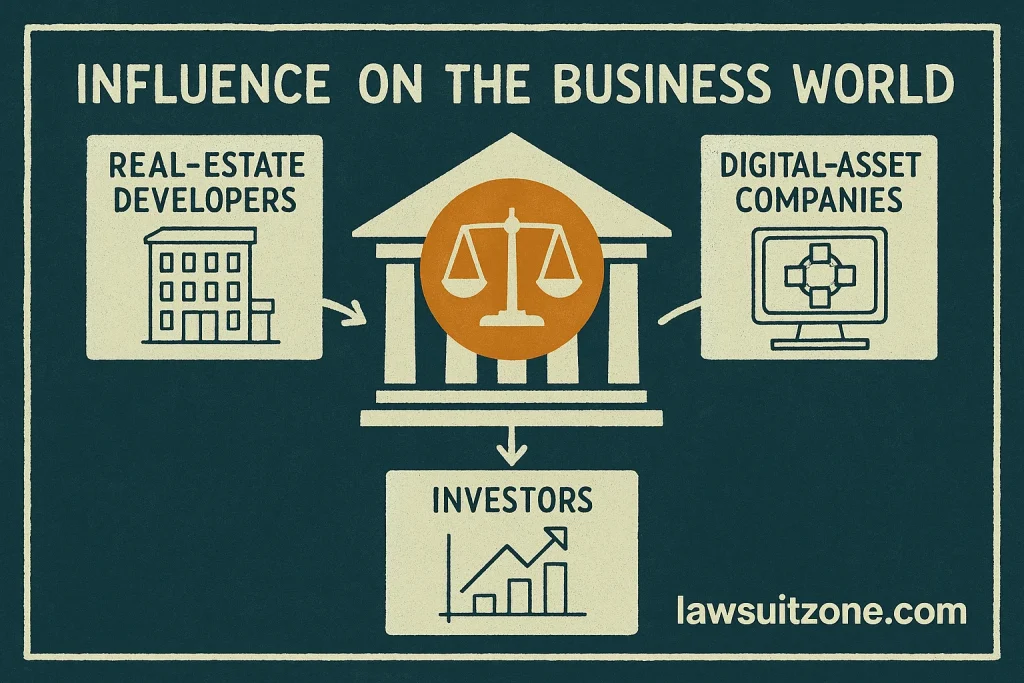
Influence on the Business World
The Dapper Development lawsuit has lessons beyond the parties involved. It points out how rapidly internal mismanagement or inadequate legal planning can upset even promising ventures.
For Real-Estate Developers
The case highlights the importance of robust internal governance. A solidly written operating agreement is not paperwork — it’s the rulebook that keeps arguments from becoming lawsuits.
For Digital-Asset Companies
It cautions that transparency, regulation, and communication with users are essential. Incorrect classification or mismanagement of investor-related products can open companies up to enormous liability and reputational risk.
For Investors
It reflects the need for due diligence. Whether in property partnerships or online platforms, always examine legal agreements, business format, and terms for exiting before sending money.
What Might the Outcome Be?
Although ultimate outcomes are on hold, class action and partnership disputes such as this typically yield one or more of the following:
1. Money Settlements
Parties may settle with each other in negotiated settlements, preventing years of court cases.
2. Court-Ordered Acquisitions
If a member is unfairly ejected or wants to leave, courts can order a fair valuation and purchase.
3. Structural Reforms
Most cases resolve with amended operating agreements or governance adjustments to avoid similar disputes in the future.
4. Regulatory Oversight
More regulatory interference in the NFT-related cases could redefine the way digital property is issued and sold.
Business Lessons from the Case
The Dapper Development lawsuit is less about who’s right or wrong it’s a worthwhile business case study.
1. Put Everything in Writing
Verbal agreements and casual decisions can cause misunderstandings down the road. Always document votes, agreements, and transactions in writing.
2. Keep Transparency Non-Negotiable
Lack of transparency leads to distrust. In real estate or tech, partners and investors need to see what’s going on behind the scenes.
3. Seek Legal Advice Early
Most conflicts might be averted if companies hired attorneys first, prior to issues getting out of hand. Preventive advice is significantly less costly than legal wars.
4. Respect Regulatory Borders
Particularly for digital-asset firms, remaining in compliance with changing regulations is critical. Getting securities regulations wrong can cost multimillions in fines.
5. Guard Reputation Through Honesty
Suits in the public eye destroy credibility. Firms must place high value on honesty and fair dealing — not just for legal purposes, but also for long-term trust.
The Bigger Picture
The Dapper Development suit is a snapshot of the reality of business today: innovation is exploding, but legal consciousness hasn’t always been ahead of the curve. As sectors converge from construction to blockchain the distinction between classic law and new enterprise continues to blur.
For Entrepreneurs
This suit reminds us that even startups must have documentation in order, conflict-resolution protocols, and a compliance strategy. Passion is not going to safeguard your business when there is a conflict.
For Lawmakers
Such cases prompt lawmakers to update business and securities legislation, plugging holes that are open for interpretation in internet-era endeavors.
For Consumers and Investors
The result of such cases can help shape future standards for what’s transparent, equitable, and authentic in both the actual and virtual markets.
Expert Legal Insight (High-Authority Reference)
For those who want to know how contemporary lawsuits are redefining digital-asset typology and business governance, you can read the U.S. Securities and Exchange Commission’s official advice on digital assets and investment contracts at sec.gov this gives useful information about how the regulatory authorities understand ownership, tokenization, and investor protection.
Frequently Asked Questions (FAQs)
Final Thoughts
The Dapper Development suit brings to light an eternal principle in business that progress without control is a recipe for disaster. Be it in physical developments or blockchain technology, the cornerstone of success is in clarity, transparency, and faith.
This case serves as a reminder to entrepreneurs that legal systems aren’t hurdles they’re nets. They safeguard creativity, equity, and partnership stability. For investors, it serves to remind them of the importance of doing research prior to relying on brand names or advertising promises.
Ultimately, the Dapper Development lawsuit isn’t merely the story of one company it’s the story of a generation of companies learning to innovate responsibly.
Disclaimer
This is for informational and educational purposes only. It does not provide legal advice nor does it establish an attorney-client relationship. Always seek the guidance of a licensed attorney for advice on your unique situation.