
Coal Trucks, Mountain Roads, and Shared Fault in West Virginia Crash Claims
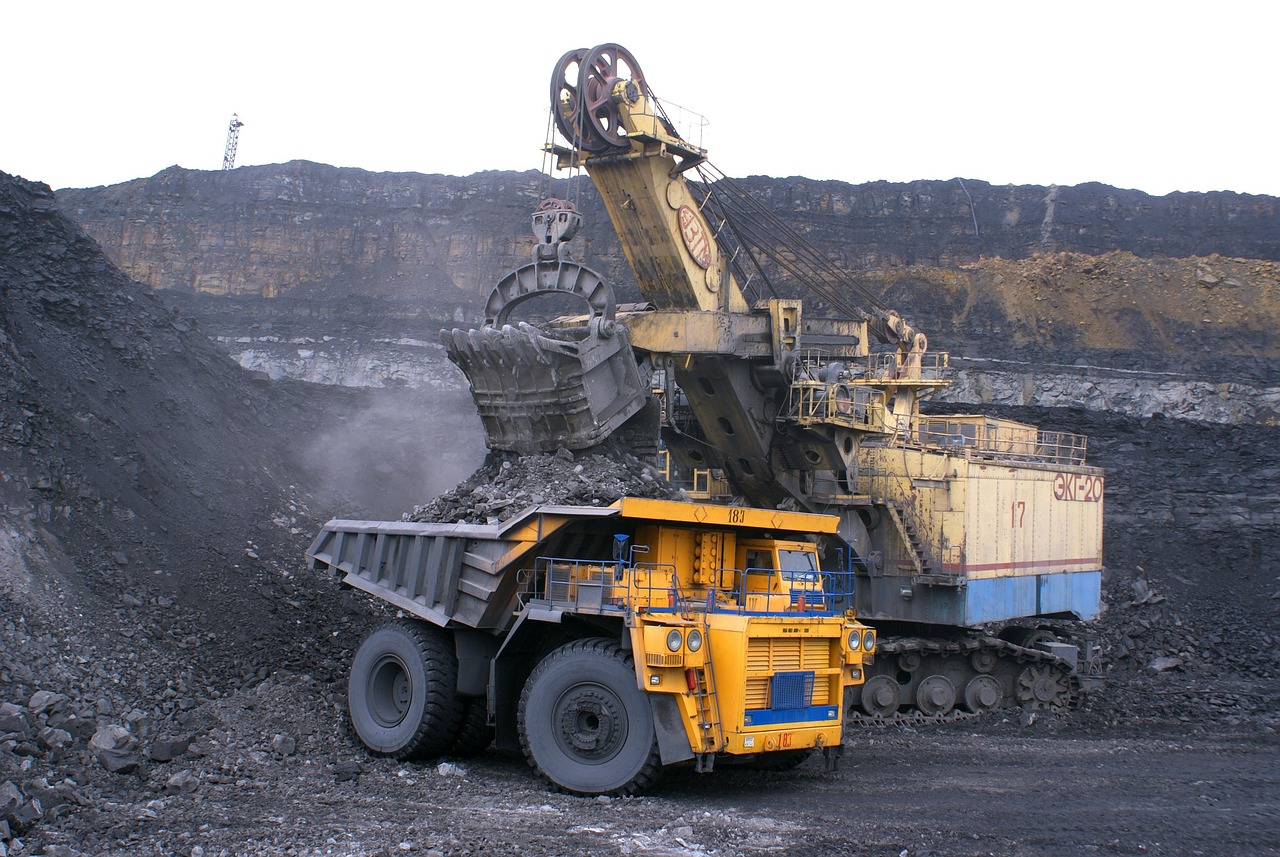
West Virginia roads were not designed with modern freight in mind. Two-lane routes climb and drop through hollows, curve along rivers, and narrow at old bridges. Add a loaded coal truck coming down a long grade, and the margin for error shrinks quickly.
Crashes involving heavy trucks on these roads often produce serious injuries. When they do, the claim that follows is shaped by West Virginia’s specific rules on how fault is divided.
Why Mountain Roads Raise the Stakes
Several features of West Virginia terrain make truck crashes more likely and more severe:
- steep downhill grades that overheat brakes
- sharp curves with little or no shoulder
- limited sight distance around bends and over hill crests
- narrow lanes that force oncoming vehicles toward the edge
Coal haulers and other heavy trucks are common in the southern coalfields. Certain designated routes allow heavier loads under state permits, which can increase stopping distances even further.
Weather compounds the problem. Fog in river valleys, black ice on shaded curves, and sudden summer storms can all reduce traction and visibility.
Common Causes of Truck Crashes Here
Many serious crashes trace back to choices made before the truck reached the curve. Brake maintenance that slipped, a driver pushed to make extra runs, or a load heavier than permitted can all play a role.
Families facing those questions often talk with the West Law Firm or another experienced West Virginia firm early, since the evidence that answers them, such as maintenance records, scale tickets, and driver logs, is controlled by the trucking company.
Driver fatigue and speed on downhill stretches are also frequent factors. A truck that enters a curve too fast may cross the center line or lose its load. Runaway truck ramps exist on some grades for exactly this reason, and whether a driver used one, or could have, sometimes becomes part of the investigation.
How West Virginia Divides Fault
West Virginia follows a modified comparative fault system under West Virginia Code § 55-7-13c. An injured person can recover damages as long as their fault is not greater than the combined fault of all other parties. Their recovery is reduced by their own percentage.
If a jury finds an injured driver 25 percent at fault, that driver can still recover 75 percent of their damages. If the driver’s share rises above 50 percent, recovery is barred.
Several Liability and Its Effects
West Virginia law also generally makes each defendant responsible only for its own share of fault, rather than the full amount of damages. This is known as several liability.
In a truck crash with multiple defendants, that rule matters. If a driver, a trucking company, and a maintenance contractor each bear some responsibility, each typically pays only its percentage. Identifying every responsible party becomes essential to a complete recovery.
Evidence That Disappears
Truck evidence is often lost quickly in rural crashes. The scene may be cleared before photographs are taken, and electronic data can be overwritten.
Important sources include:
- engine control module data showing speed and braking
- electronic logging device records
- brake inspection and repair history
- weight records and any permits for overweight loads
A prompt preservation letter can help keep this material available. Photographs of skid marks, gouges in the pavement, and the final resting positions of the vehicles are also valuable, because rain and traffic erase them within days.
Serious Injuries Require Serious Documentation
Injuries from truck crashes on mountain roads are frequently severe: spinal injuries, traumatic brain injuries, and multiple fractures are common. These cases require detailed medical documentation and, often, projections of future care and lost earning capacity.
Lawsuit Zone has explained why serious injury claims need more than a basic insurance file, and truck cases are a clear example.
Deadlines
West Virginia generally allows two years to file a personal injury lawsuit. Claims involving government vehicles or road conditions may be subject to additional procedural requirements.
Respecting the Road
Mountain driving demands patience from everyone. When a commercial truck ignores that reality, the consequences can be devastating for the families sharing the road.
Understanding how fault is divided, and preserving evidence early, gives injured people a fair chance of being made whole.
Also read: Construction, Commuters, and Trucks: Crash Risks on I-81 Through Syracuse
This article provides general information about West Virginia injury law and is not legal advice for any individual situation.