Austin Injury Claims: Premises Liability and Truck Accidents
Injuries happen in many ways, but two categories stand out for their seriousness and the particular legal questions they raise: injuries caused by dangerous conditions on someone’s property, and injuries from collisions with large commercial trucks. Both can cause significant harm, and both involve considerations that set them apart from ordinary injury claims. For Austin residents, understanding how premises liability and truck accident claims work is essential to protecting their rights when these situations arise. This guide covers both types of claims and what victims should know.
This article is general information rather than legal advice, but it should help Austin residents understand these claims.
Understanding premises liability
Premises liability refers to the responsibility that property owners and occupiers have for injuries that occur on their property due to dangerous conditions. When someone is injured because a property owner failed to maintain safe conditions through a hazard they knew about or should have addressed the injured person may have a premises liability claim. This area of law rests on the principle that those who control property have a duty to keep it reasonably safe for others.
Premises liability claims can arise from many situations: slip and falls on wet or uneven surfaces, injuries from poorly maintained structures, inadequate security leading to harm, and other hazards. The key questions typically involve whether a dangerous condition existed, whether the property owner knew or should have known about it, and whether they failed to address it or warn of it. People injured on someone else’s property often consult an austin premises liability lawyer to understand whether they have a valid claim. Understanding the basics of premises liability helps injured people recognize when a property owner’s negligence may have caused their harm.
Proving a premises liability claim
Premises liability claims can be more complex than they first appear, because establishing them requires showing certain things. Generally, an injured person must show that a dangerous condition existed on the property, that the owner or occupier knew or reasonably should have known about it, that they failed to address it or provide adequate warning, and that this failure caused the injury. Each of these elements can be contested.
Property owners and their insurers often dispute these claims vigorously, arguing that the condition wasn’t dangerous, that they didn’t know about it, that they took reasonable care, or that the injured person was at fault. Because of these challenges, premises liability claims require careful attention to the facts and evidence. Establishing what happened, the condition of the property, and what the owner knew or should have known is central to a successful claim. Understanding what must be proven helps injured people appreciate the nature of these claims and why thorough documentation and evidence matter so much in pursuing them. People hurt by a property owner’s negligence often consult a personal injury lawyer austin tx to understand whether the facts support a claim.
The severity of truck accidents
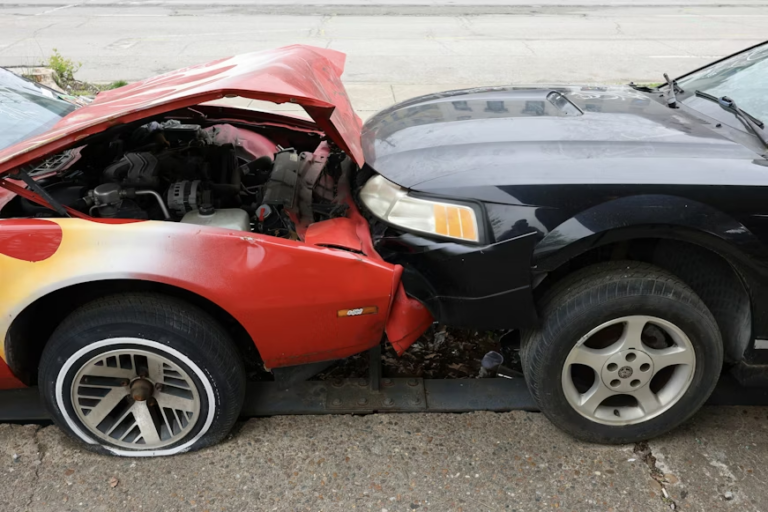
Turning to a very different type of claim, truck accidents represent some of the most devastating collisions on the road. The reason is the sheer size and weight of large commercial trucks, which can weigh many times more than a passenger vehicle. When a truck collides with a smaller vehicle, the occupants of that vehicle typically bear the brunt of the impact, often suffering severe, life-altering, or fatal injuries.
This severity sets truck accidents apart from typical car crashes. The injuries are frequently more serious, the medical consequences more extensive, and the long-term impact on victims and families more profound. Because of these stakes, truck accident claims demand careful attention to the full scope of the harm involved, including future medical needs and lasting effects. People injured in collisions with commercial trucks often consult a truck accident attorney austin texas to understand their rights. Recognizing the devastating potential of truck accidents is important for anyone harmed in one.

The complexity of truck accident claims
Beyond their severity, truck accidents are often more legally complex than ordinary car accidents. One reason is that multiple parties may bear responsibility. The truck driver, the trucking company, and potentially others involved in loading, maintaining, or operating the vehicle could all play a role in causing a crash. Identifying who is responsible can be more involved than in a typical collision.
The trucking industry is also heavily regulated, with extensive rules governing matters like driver hours, vehicle maintenance, and cargo loading. Violations of these regulations can be central to establishing how an accident happened and who was at fault. This regulatory dimension adds a layer of complexity not present in ordinary accidents. Understanding that truck accident claims involve these additional considerations multiple potential responsible parties and a web of regulations helps victims appreciate why these cases require careful handling. The complexity is significant, but it can also reveal important avenues for establishing accountability.
How Texas fault rules apply
Both premises liability and truck accident claims in Texas are shaped by the state’s comparative negligence rules. Texas follows a modified comparative negligence system, under which an injured person’s recovery is reduced by their share of fault, and barred entirely if their fault exceeds a certain level. This makes establishing what happened, and who was responsible, central to the outcome of a claim.
In both types of cases, the other side may try to shift blame onto the injured person to reduce their liability. In premises liability cases, a property owner might argue the injured person wasn’t careful; in truck accident cases, the trucking company might dispute responsibility. Being prepared to establish the facts clearly and counter unfair attempts to assign blame is essential to protecting a fair recovery. Understanding how Texas’s comparative negligence rule works helps victims appreciate why building a clear, well-supported case matters so much in both premises liability and truck accident claims.
Why these cases require careful handling
Both premises liability and truck accident claims require careful, knowledgeable handling for similar reasons. Both can involve serious injuries with significant, long-lasting consequences. Both involve establishing facts that may be disputed the condition of a property and what an owner knew, or the causes of a truck crash and who bears responsibility. And both involve well-resourced opponents motivated to limit their liability.
This combination of serious stakes and complexity is why these cases benefit from careful attention. Accurately accounting for the full scope of harm, establishing the facts clearly, navigating the applicable rules, and dealing with determined opponents all require diligence and, often, knowledgeable guidance. Approaching these claims casually or without understanding what’s involved risks a poor outcome. Understanding that premises liability and truck accident claims demand careful handling helps victims appreciate the importance of approaching them thoughtfully and protecting their interests properly.
The bottom line
Premises liability and truck accident claims represent two serious categories of injury claim in Austin, each with its own particular considerations. Premises liability involves a property owner’s responsibility for injuries caused by dangerous conditions, requiring proof of specific elements, while truck accidents bring devastating severity and added complexity through multiple responsible parties and extensive regulations. Both are shaped by Texas’s comparative negligence rules and demand careful handling. By understanding how these claims work, establishing the facts clearly, and seeking knowledgeable guidance when needed, injured Austin residents can protect their rights and pursue fair compensation.