Underride Crashes and Wide Right Turns: Two Truck Hazards Charlotte Drivers Should Understand
Most truck crashes involve speed, fatigue, or distraction. Two types stand apart because of how the vehicles themselves are built.
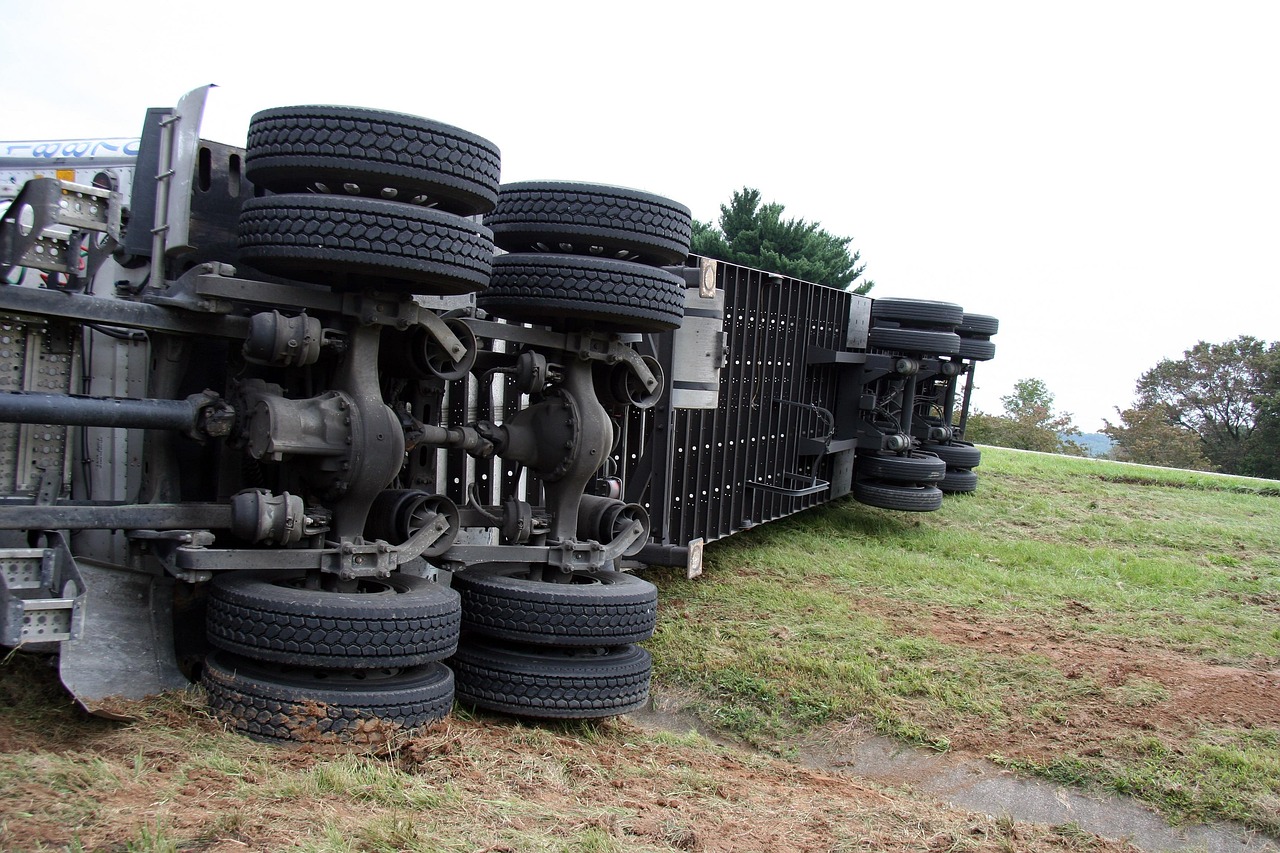
Underride crashes happen when a car slides beneath the back or side of a trailer. Wide right turn crashes happen when a truck swings left to make a right turn and traps a car in the gap. Both are common on Charlotte roads where delivery trucks and tractor-trailers share tight space with commuters, from the warehouse corridors off I-85 to the busy intersections along South Boulevard.
Why Underride Crashes Are So Dangerous
A passenger car’s bumper and crumple zones are designed to absorb impact at bumper height. A trailer’s bed sits much higher. When a car strikes the rear or side of a trailer, the lowest part of the trailer can meet the car at windshield level.
That bypasses the car’s safety systems. Airbags and crumple zones may never engage properly, and the occupants can suffer catastrophic head and neck injuries even at moderate speeds. A Charlotte trucking accident attorney reviewing one of these crashes will usually start with the trailer itself, not just the driver.
What Federal Rules Require
Nearly every trailer has to carry a rear impact guard, the steel bar that hangs under the back end. The specs are set out in 49 CFR § 393.86, which ties guard standards to the vehicle’s date of manufacture.
Federal safety standards were updated in recent years to require stronger rear guards on new trailers. Side underride guards, however, are still not federally mandated, even though side impacts account for a meaningful share of underride deaths.
Guards also wear out. Bent, rusted, or detached guards may fail during an impact. When investigators examine a crash, the condition of the guard often becomes a central issue.
The Wide Right Turn Problem
A tractor-trailer cannot make a tight right turn the way a car can. To clear the corner, the driver often swings left first, sometimes into an adjacent lane.
A car approaching from behind may see that open space on the right and move into it. As the truck completes the turn, the trailer sweeps across that space, crushing or pinning the car against the curb. This is sometimes called a squeeze play.
Truck drivers are expected to signal clearly, check mirrors, and avoid turns that leave dangerous gaps. Drivers of smaller vehicles also play a role, since passing a turning truck on the right is risky.
Determining who was responsible often requires a detailed review of video and witness accounts, and North Carolina’s fault rules make that analysis unusually high-stakes.
A Harsh Fault Rule in North Carolina
North Carolina belongs to a tiny group of states that kept contributory negligence. Even a sliver of blame on the injured driver can block the whole claim.
In a wide right turn case, that rule creates real pressure. The trucking company’s insurer may argue the car should never have entered the gap. Escape hatches like last clear chance exist, but they only open on the right facts.
Evidence That Tells the Story
Video is often the most important evidence in both types of crashes. It can show a truck’s turn signal, its position in the lane, and how quickly the car approached.
Lawsuit Zone has described how dashcam footage is changing how car accident claims get settled, and truck cases are no exception. Many fleets now run forward and side-facing cameras.
Other important evidence includes:
- photographs and measurements of the rear or side guard
- the truck’s maintenance and inspection records
- electronic logging and engine data
- traffic camera footage from the intersection
Deadlines to Keep in Mind
Injury suits in North Carolina usually have three years, and death claims two. A bent guard, though, can be straightened or hauled off for scrap within weeks.
Seeing the Hazard Before It Happens
Underride and wide right turn crashes share a common thread: they happen in the space around a truck that many drivers underestimate.
For drivers, giving trucks extra room and never passing on the right during a turn can reduce the risk. For injured people, understanding how these crashes happen is the first step toward a fair outcome.
Also read: Modern Roads, Modern Risks: Rideshare and Truck Accidents in Nevada
Treat this as general background on Charlotte truck hazards and the rules behind them, not as legal advice for a specific crash.