Wet Floors and Missing Warnings: How Premises Claims Are Built in Houston
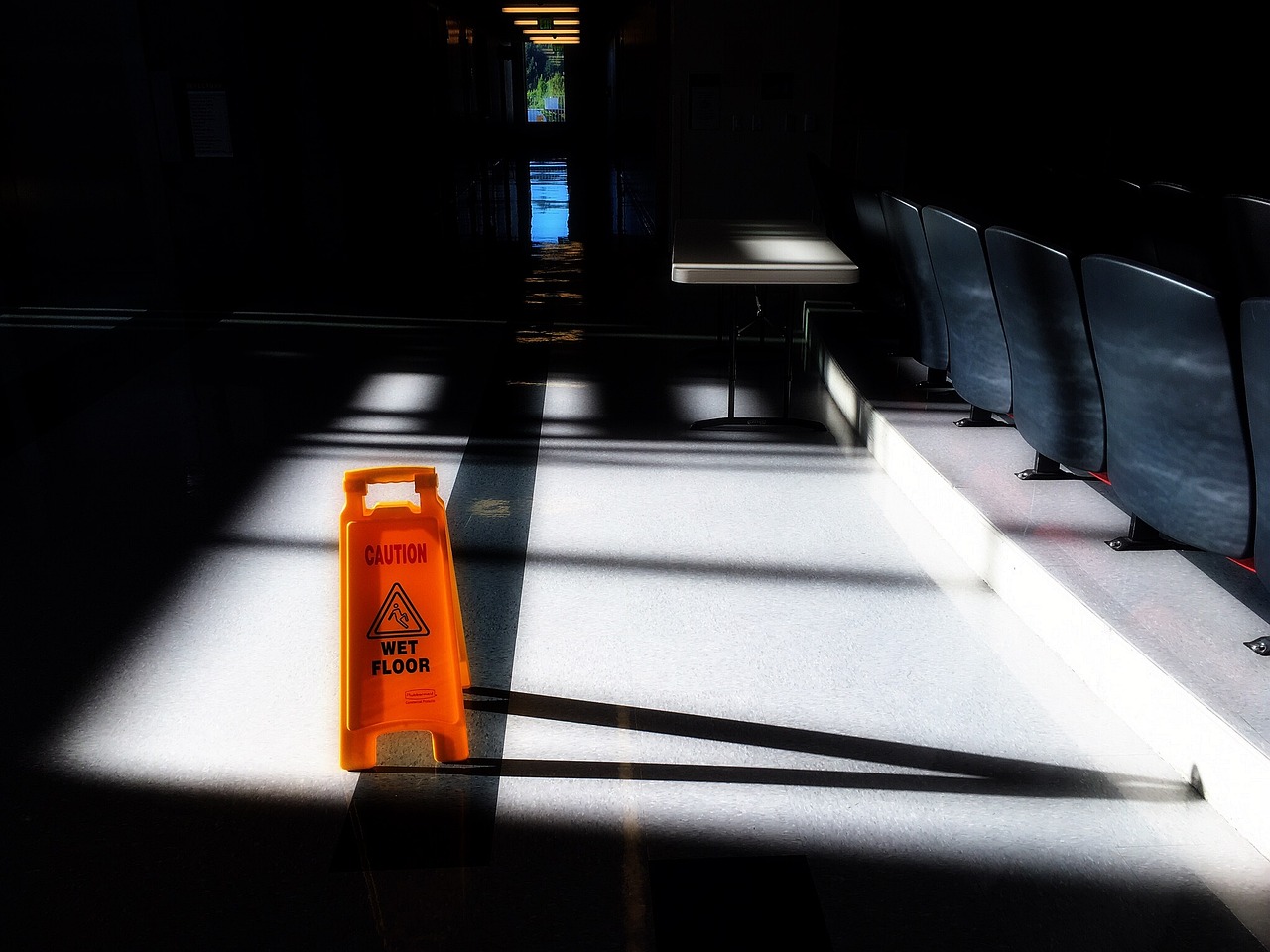
A spilled drink near a checkout lane. Rainwater tracked across a tile entryway during a summer storm. A freezer case that has been leaking for hours.
Falls on wet floors happen constantly in Houston stores, restaurants, and apartment complexes. It is tempting to think the store simply pays. Texas asks something tougher: was the business aware of the puddle, or should it have been, early enough to clean it up?
What an Injured Visitor Has to Prove
Shoppers and other people a business welcomes inside are called invitees in Texas. The owner has to act sensibly to keep them safe, though it is not an insurer of every step they take.
An invitee who sues usually has to prove four points:
- the business knew about the hazard, or should have known about it
- the hazard created more danger than is reasonable
- the business did not take sensible steps to fix it or warn about it
- that lapse is what led to the fall
The knowledge element is where most wet-floor cases are won or lost. That is why premises liability lawyers in Houston, TX tend to focus early on how long a spill was there and who could have seen it.
The Time-Notice Rule
Texas judges use a timing test. To show a business should have known, there has to be proof that the spill sat there long enough for a reasonable employee to spot it.
The Texas Supreme Court made this point clearly in a case involving a grocery store spill. Proximity of employees to the hazard is not enough by itself. There must be evidence about how long the condition was present.
This is why surveillance footage matters so much. Video showing a puddle sitting untouched for 30 minutes tells a very different story than a spill that happened seconds before a fall.
Warnings and Their Limits
A clear warning can sometimes be enough. A yellow sign standing right at the wet spot may protect the business.
But a warning has to actually work. A sign tucked behind a display, placed on the wrong side of an aisle, or left up for days after the floor dried may not protect the owner. The question is whether the warning actually told visitors what they needed to know. A cone left at the far end of a long, wet corridor may tell a jury more about routine than about real caution.
Evidence Worth Collecting
Wet-floor claims depend on details that disappear quickly. Useful evidence often includes:
- photos of the floor, the liquid, and the surrounding area
- names and contact information for witnesses
- the incident report filed with the store or manager
- any surveillance video, which many businesses overwrite within days
Lawsuit Zone has explained why evidence matters so much in premises liability claims, and wet-floor cases are a clear example. Shoes and clothing worn at the time of the fall should also be kept, since the other side may argue about footwear.
Shared Fault Under Texas Law
Blame can be split in Texas. A shopper found partly careless sees the award cut by that share, and one found mostly responsible, more than half, gets nothing.
Property owners often argue that a hazard was open and obvious or that the visitor was distracted by a phone. Those arguments do not automatically defeat a claim, but they can reduce its value.
How Long There Is to Sue
A Houston fall case usually has to reach the courthouse within two years, a limit set by Chapter 16 of the Civil Practice and Remedies Code. If the fall happened on public property, the Texas Tort Claims Act may require a written notice within six months, and some city charters shorten that further.
The City of Houston, for example, has its own notice provisions that can be shorter than people expect.
The Value of Acting Promptly
A wet-floor case often comes down to minutes. How long was the water there, who walked past it, and what did the business do about it?
Those questions are easiest to answer in the first days after a fall, when video still exists and witnesses remember clearly. Waiting makes the time-notice rule harder to satisfy.
See more: 7 Common Causes of Slip-and-Fall Injuries
Think of this as general background on Texas fall cases, not legal advice. The outcome of a real claim depends on its own evidence.