Google Lawsuit Key Antitrust Cases Ruling and What They Mean
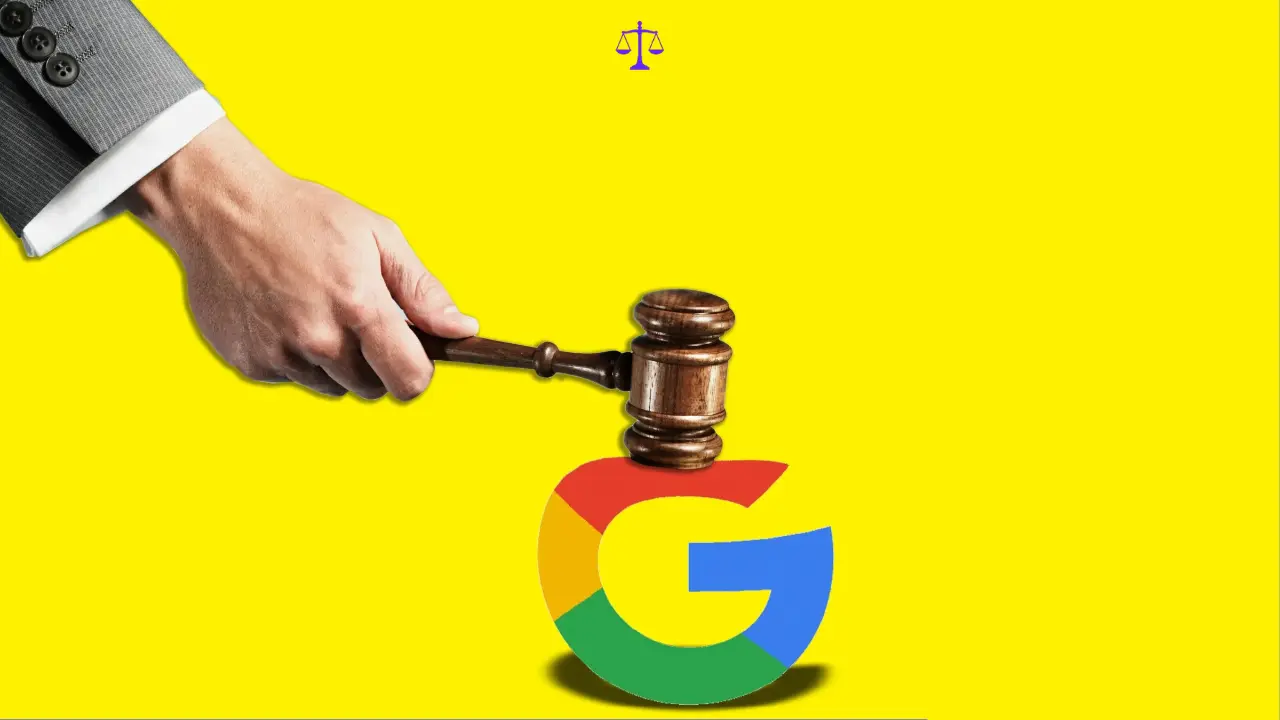
The Google lawsuit topic has gained major attention because Google faces several important legal battles in the United States. These cases focus mainly on online search, advertising technology, competition, and the Google Play Store.
Government agencies and private companies claim that Google used its strong market position to limit competition. However, Google has challenged several rulings and argues that its products compete fairly in fast-changing technology markets.
What Is the Google Lawsuit About?
The term google lawsuit does not describe only one court case because Google faces several separate legal disputes. Some cases involve the U.S. Department of Justice, while others involve companies such as Epic Games.
The largest cases examine whether Google used monopoly power to protect its position in search and digital advertising. Courts have already ruled against Google on important parts of these antitrust cases.
Google Search Antitrust Case
The U.S. Department of Justice filed a major antitrust case against Google over its search business. The government argued that Google used agreements with device makers and browser companies to remain the default search engine.
In August 2024, a federal court ruled that Google maintained an illegal monopoly in general search services and search text advertising. The ruling became one of the most important technology antitrust decisions in recent years.
Remedies in the Search Case
The google lawsuit entered another important stage when the court considered remedies after finding antitrust violations. Remedies are actions that a court orders to reduce the effects of illegal conduct.
In September 2025, the court placed limits on certain exclusive search distribution agreements. It also required Google to provide some search-related information and services to qualified competitors under specific conditions.
Google Advertising Technology Case
Another major case focuses on Google’s role in digital advertising technology. Publishers and advertisers use these systems to buy, sell, and manage advertisements across websites.
In April 2025, a federal court ruled that Google violated U.S. antitrust law in parts of the open-web advertising technology market. The court found that Google unlawfully monopolized important advertising tools used by publishers.
Main Google Legal Cases
The google lawsuit discussion becomes easier to understand when readers separate the company’s major legal battles. Each case involves different products, competitors, and legal arguments.
| Case Area | Main Issue | Important Development |
|---|---|---|
| Google Search | Search monopoly and default agreements | Court found antitrust violations |
| Digital Advertising | Publisher ad tools and ad exchanges | Court found monopoly violations |
| Google Play Store | Android app distribution | Epic won major antitrust claims |
| Search Remedies | Changes following search ruling | Restrictions and data-sharing remedies ordered |
These cases may affect different parts of Google’s business. Therefore, one court ruling does not automatically apply to every Google service or product.
Epic Games and Google Play
The google lawsuit story also includes the legal battle between Epic Games and Google. Epic challenged Google’s control over Android app distribution and in-app payment systems.
A jury ruled in Epic’s favor in 2023 on its antitrust claims. Google later appealed, but the U.S. Court of Appeals for the Ninth Circuit upheld the major antitrust findings in 2025.
The case led to rules designed to give developers more options when distributing apps and handling payments. These changes could increase competition between app stores on Android devices.
Google and Epic Reach a New Agreement
The Epic case continued changing after the appeals process. In March 2026, Google announced that it had entered a new settlement agreement with Epic Games.
The companies asked the federal court to approve a revised modified injunction. Google also said its existing policies would remain active while more details developed.
This development shows that large technology cases can continue for years after an original verdict. Appeals, settlements, court orders, and new agreements can all change the final outcome.
Why These Cases Matter to Consumers
The google lawsuit cases matter because millions of people use Google Search, Android phones, online advertising, and mobile applications. Court decisions can change how these services operate.
For example, stronger competition rules could make it easier for consumers to choose different search engines or app stores. They could also give publishers and software developers more choices when using advertising or payment systems.
However, Google argues that some proposed rules could create security, privacy, or user-experience problems. Therefore, courts must balance competition concerns with technical and consumer issues.
How the Cases Could Affect Google
The google lawsuit cases could affect Google’s contracts, advertising systems, app-store policies, and relationships with other technology companies. They could also influence how future technology companies operate.
Companies with strong market power may face closer review from regulators when they make exclusive deals or control important online platforms. Courts may also examine whether business practices make competition harder for smaller companies.
Still, Google remains able to challenge decisions through the legal process. Appeals can change parts of court rulings, remedies, or enforcement requirements.
What Happens Next?
Several Google antitrust matters remain important as courts, regulators, and the company continue dealing with remedies and appeals. Legal outcomes may develop differently because each case involves separate laws and markets.
The google lawsuit situation will likely influence future discussions about competition in search, advertising, artificial intelligence, mobile apps, and digital platforms. Regulators around the world continue to examine how large technology companies use market power.
For users, the most important changes may involve more choices in search engines, app distribution, advertising services, and payment systems. However, the final effects will depend on court decisions, appeals, settlements, and how Google changes its business practices.
Conclusion
Google faces some of the most important technology antitrust cases in the United States. Courts have already ruled against the company in major search and advertising cases, while the Epic Games dispute has also produced major changes.
The google lawsuit developments show how governments and courts are questioning the power of large technology platforms. These cases may shape online competition and digital services for years to come.