How Counseling Can Help Families Facing Mesothelioma or Other Serious Illnesses
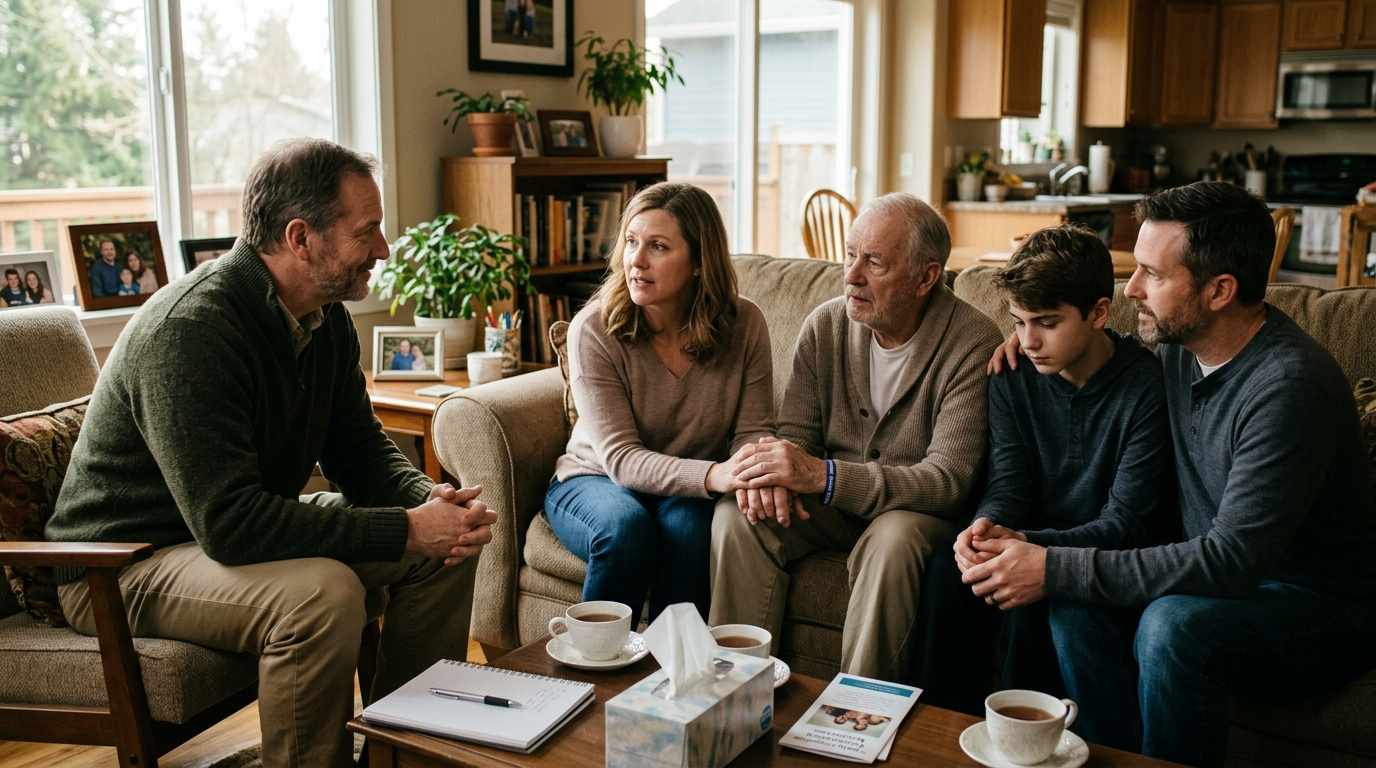
When a family hears the words “serious illness,” life can feel like it changes in one moment. Daily routines, future plans, money worries, and family roles may all shift at once. For families facing mesothelioma, cancer, or another long-term illness, the emotional weight can be just as heavy as the medical side.
Many families also find themselves dealing with legal, financial, and care-related questions at the same time. For example, someone in Massachusetts may speak with a mesothelioma attorney ma to better understand their legal options while also looking for emotional support through counseling. Both types of support can matter because serious illness affects the whole family, not just the person diagnosed.
Counseling gives families a safe place to talk, process fear, and make sense of what is happening. It does not remove the illness, but it can help people cope with it in a healthier way. When emotions feel too big to handle alone, having a trained counselor can make the road feel less lonely.
Why Serious Illness Affects the Whole Family
A major illness often creates stress in every corner of family life. One person may be going to appointments and treatments, while others are managing bills, transportation, meals, work schedules, or caregiving duties.
Over time, this can lead to tension. Family members may feel tired, scared, angry, or guilty. Some may try to stay “strong” by hiding their feelings, while others may feel overwhelmed and need to talk often.
Neither reaction is wrong. People cope in different ways. Counseling helps families understand these differences instead of letting them turn into arguments.
How Counseling Helps Families Cope
It Creates a Safe Space to Talk
Many families avoid hard conversations because they do not want to upset each other. A parent may not want to worry their children. A spouse may stay quiet because they do not want to add more stress.
In counseling, everyone can speak more openly. A counselor helps guide the conversation so it stays respectful and productive. This can help family members say things they have been holding in, such as:
- “I am scared.”
- “I do not know how to help.”
- “I feel guilty when I need a break.”
- “I miss how life used to be.”
Being honest can be painful at first, but it often brings relief.
It Helps Reduce Anxiety and Fear
Serious illness brings a lot of unknowns. Families may worry about treatment, pain, time, money, or what the future will look like. These worries can lead to anxiety, poor sleep, and constant stress.
Counseling can teach simple coping tools, such as breathing exercises, grounding techniques, journaling, or ways to manage racing thoughts. These tools may sound small, but they can make daily life feel more manageable.
It Supports Caregivers
Caregivers often focus so much on the sick family member that they forget about their own health. They may skip meals, lose sleep, miss work, or stop doing things they enjoy.
This can lead to caregiver burnout. Burnout may show up as sadness, irritability, exhaustion, resentment, or feeling numb.
A counselor can help caregivers set healthy limits and accept help from others. Taking a break does not mean someone is selfish. It means they are human.
Counseling Can Improve Family Communication
When a family is under pressure, small issues can become big fights. One person may end up feeling like they are carrying all the responsibility. Another may feel left out of decisions. Children may sense stress but not understand what is going on.
Counseling can help families communicate in clearer ways. This may include learning how to:
- Ask for help without blame
- Share updates calmly
- Talk to children in age-appropriate ways
- Make care decisions together
- Respect each person’s coping style
Good communication does not mean every conversation will be easy. It means family members have better tools for handling hard moments.
Helping Children Understand Serious Illness
Children often know when something is wrong, even if adults try to hide it. They may notice hospital visits, quiet conversations, or changes in mood at home.
Without clear information, kids may imagine something worse or blame themselves. Counseling can help parents explain illness in simple, honest language.
For younger children, this might mean saying, “Grandpa is very sick, and the doctors are helping him feel as comfortable as possible.” For teens, the conversation may be more detailed.
A counselor can also help children express feelings through drawing, play, writing, or conversation. Kids do not always have the words for grief or fear, but they still need support.
Counseling During Grief and Uncertainty
Families facing mesothelioma or another serious illness may experience grief even before a loss happens. This is sometimes called anticipatory grief. It means grieving changes, lost plans, or the possibility of losing someone.
These feelings can be confusing. A person may feel hopeful one day and deeply sad the next. Counseling helps people understand that this emotional back-and-forth is normal.
After a loss, grief counseling can also help families adjust. It gives people space to remember their loved one, process pain, and slowly rebuild daily life.
Different Types of Counseling That May Help
There is no one-size-fits-all approach. Different families may need different kinds of support.
Common options include:
- Individual counseling: One person works privately with a counselor.
- Family counseling: Several family members meet together.
- Couples counseling: Partners work through stress, caregiving, and communication.
- Grief counseling: Support before or after the loss of a loved one.
- Support groups: Families connect with others facing similar challenges.
Some families use more than one type of support. That is perfectly okay.
When Should a Family Consider Counseling?
A family does not need to wait until things fall apart. Counseling can help at any stage of illness.
It may be time to reach out if family members are:
- Arguing more often
- Feeling isolated or overwhelmed
- Having trouble sleeping
- Avoiding important conversations
- Struggling with grief, anger, or fear
- Feeling burned out from caregiving
Getting help early can make the journey easier to manage.
Conclusion
Serious illness affects more than the body. It touches emotions, relationships, finances, routines, and the way a family sees the future. Counseling can help families slow down, talk honestly, and support each other with more patience and understanding.
For families facing mesothelioma or another major illness, the path may still be hard. But no one has to walk it without support. With the right emotional care, families can find strength, comfort, and clearer ways to face each day together.
FAQ
How can counseling help after a mesothelioma diagnosis?
Counseling can help patients and families manage fear, stress, grief, and major life changes. It also gives families tools for better communication and emotional support.
Is family counseling better than individual counseling?
It depends on the family’s needs. Individual counseling is helpful for private emotions, while family counseling helps improve communication and shared coping.
Can children attend counseling when a parent or grandparent is seriously ill?
Yes. Counseling can help children understand illness in a healthy way and express feelings they may not know how to explain.
Do caregivers need counseling too?
Often, yes. Caregivers carry a lot of stress and may feel guilty asking for help. Counseling can help them avoid burnout and care for themselves.
When is the right time to start counseling?
Families can start counseling at any point after a diagnosis. It can be helpful early on, during treatment, near end-of-life care, or after a loss.