Understanding the Complexities of Traumatic Brain Injury Claims Under California Law
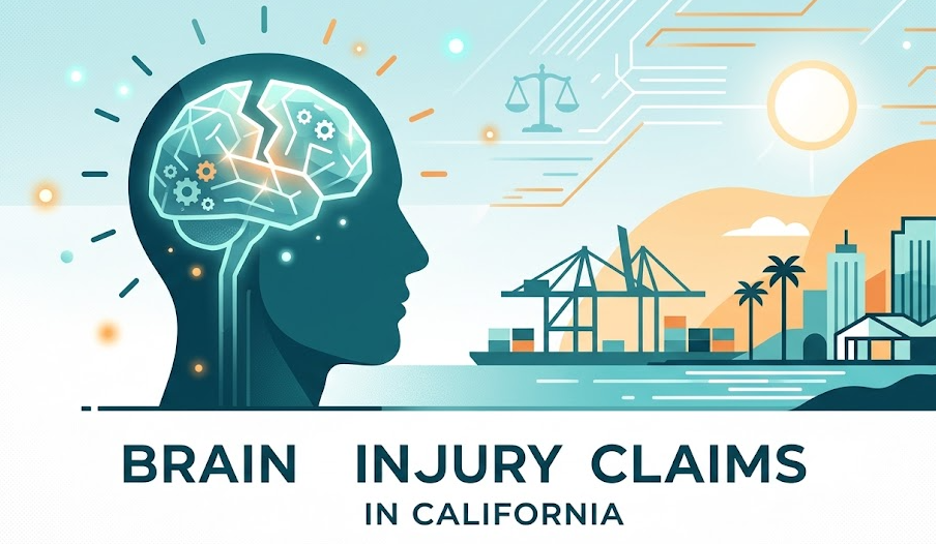
Brain injuries are among the most devastating consequences of personal injury accidents. Unlike broken bones or visible lacerations, damage to the brain is often entirely hidden from view. Under California personal injury law, recovering compensation for a traumatic brain injury requires a thorough understanding of both medical evidence and legal frameworks. Whether the injury resulted from a car accident, a slip and fall, or a workplace incident, victims must navigate a complicated system to secure the financial recovery they deserve.
For residents of Southern California coastal communities, the density of traffic and local industrial activity often contributes to these severe accidents. If you are dealing with the long-term effects of a head trauma in this region, speaking with a dedicated brain injury lawyer in Long Beach can provide the clarity needed to navigate local court systems and insurance requirements.
Proving the Invisible Injury in Court
One of the primary hurdles in a brain injury lawsuit is the burden of proof. Mild to moderate traumatic brain injuries, such as concussions, do not always appear on standard diagnostic imaging like CT scans or MRIs. Defense attorneys and insurance adjusters frequently exploit this lack of physical evidence to claim that the victim is exaggerating their symptoms.
To counter this defense strategy, plaintiffs must rely heavily on detailed medical documentation from specialists like neuropsychologists and neurologists. These experts perform comprehensive cognitive testing to demonstrate deficits in memory, concentration, and emotional regulation. Witness testimony from family members, employers, and friends also becomes critical in showing how the injury has altered the victim’s daily routine and ability to work.
California’s Pure Comparative Fault System
Another crucial aspect of pursuing a claim in this state is understanding how liability is assessed. California operates under a pure comparative negligence rule. This means that even if an injured party is found partially responsible for the accident that caused their brain injury, they are still eligible to recover damages.
However, their total compensation will be reduced by their percentage of fault. In cases involving brain trauma, the defense may argue that the victim failed to wear protective gear or was distracted at the time of the incident. Properly investigating the accident scene, securing surveillance footage, and reconstructing the event are essential steps to minimize any attribution of fault to the plaintiff.
Calculating Long-Term Damages
The financial impact of a brain injury extends far beyond immediate emergency room bills. Many victims require ongoing physical therapy, cognitive rehabilitation, and lifetime psychological support. California law permits victims to seek compensation for both economic and non-economic damages.
Economic damages cover measurable financial losses, such as past and future medical expenses and lost earning capacity if the victim can no longer return to their previous line of work. Non-economic damages address more abstract losses, including pain and suffering, emotional distress, and loss of enjoyment of life.
Because brain injuries often permanently alter a person’s life trajectory, calculating these future costs requires careful economic analysis. Working with medical and financial experts ensures that the final settlement or court verdict accurately reflects the true cost of care for the remainder of the victim’s life.